Concrete Pricing in Greensboro: Key Cost Drivers Explained
Concrete pricing covers the materials, labor, equipment, site work, permits, and finishing choices that determine what a homeowner or business will pay for a concrete project in Greensboro, NC. This article explains those cost drivers, shows how project size and complexity shift unit and total prices, and gives localized 2024 context so you can budget and compare quotes effectively. Greensboro Concrete Services, a local licensed, bonded, and insured concrete contractor serving Greensboro and surrounding areas, offers free estimates and local expertise to help translate these factors into an accurate budget; that brief mention appears now so you know a trusted local resource exists later in the guide. Many property owners underestimate site preparation, weather impacts, or specification choices; this piece addresses each element and gives actionable steps to prepare for an accurate quote. You will find focused sections on key cost factors, how size and design affect pricing, site-prep and accessibility effects, permitting and seasonal considerations, typical 2024 cost ranges, and a clear process to request an accurate, itemized estimate from Greensboro Concrete Services. Throughout, keywords like concrete cost Greensboro NC, concrete driveway cost Greensboro, and factors affecting concrete pricing are used to keep the guide locally useful and search-ready.
What Are the Key Factors Influencing Concrete Pricing in Greensboro, NC?
Concrete pricing in Greensboro is shaped by a small set of high-impact factors that determine material quantities, labor time, and specialist requirements. Material quality and type, labor rates and crew expertise, project size and thickness, site preparation and accessibility, and permits or weather constraints together explain most variation in final price. Each factor interacts: higher-spec materials often need more skilled crews, and difficult access increases both labor and equipment charges. Understanding these drivers lets you compare itemized quotes and predict where costs can be optimized. Below is a concise featured-snippet style summary followed by an entity-attribute-value table to clarify material-related impacts.
Concrete cost drivers at a glance:
- Material quality and mix type influence unit price and durability.
- Labor rates and contractor expertise affect installation speed and finish quality.
- Project size, thickness, and design complexity determine material volumes and time.
- Site preparation and accessibility add excavation, hauling, and equipment costs.
- Permits, inspections, and seasonal weather can add fees and scheduling risk.
This list frames a deeper look at material choices and labor factors that follow in the subsections.
Different material choices and attributes change project costs in predictable ways. The table below connects common material decisions to their cost implications to help you judge estimate line items.
This EAV table clarifies why a line item for “high-strength mix” or “stamped finish” pushes a quote upward and prepares you to question those attributes in an itemized estimate.
How Does Material Quality and Type Affect Concrete Costs?
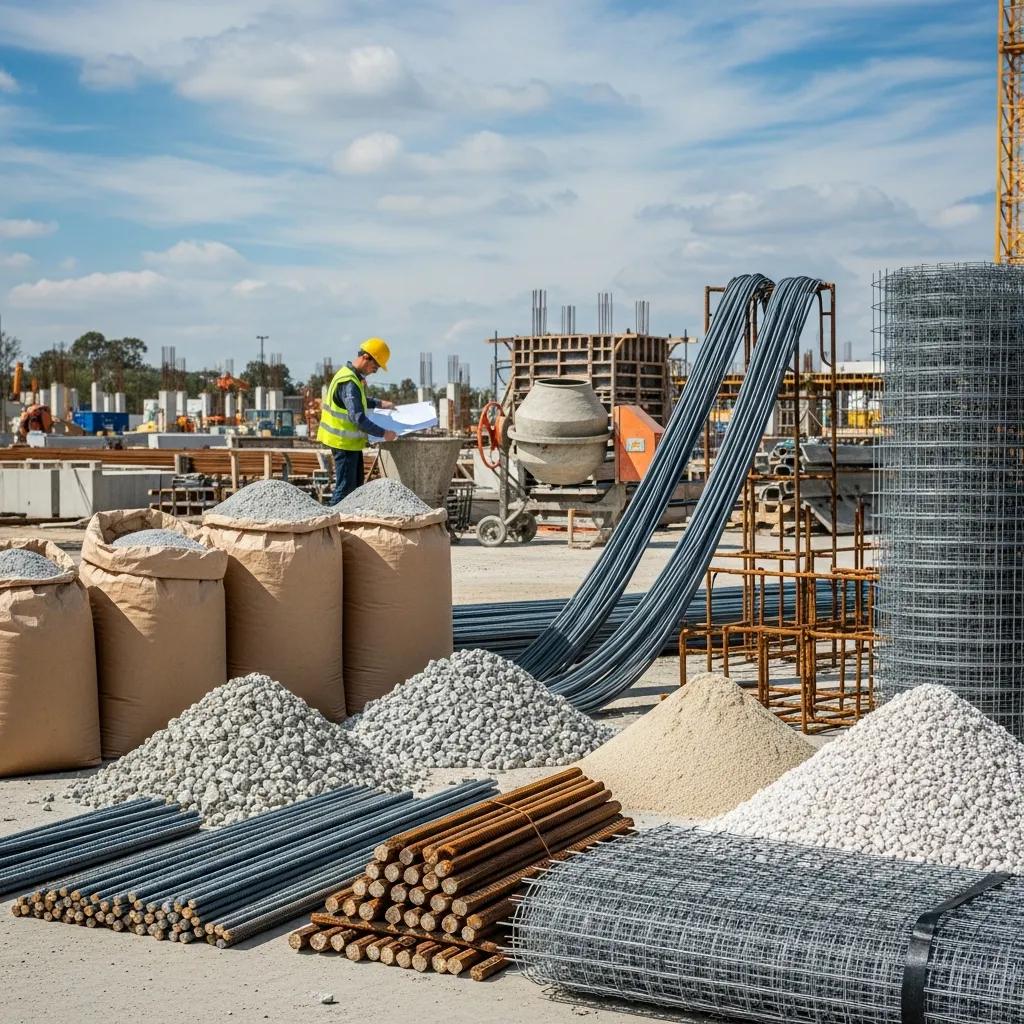
Material quality determines base material price, required handling, and long-term performance — all of which affect total project cost. Higher-PSI mixes and specialty blends with additives like air entrainment or accelerators cost more per cubic yard, but they reduce risks in challenging weather or heavy-load applications. Decorative options such as integral color, stains, or stamping add molds, pigments, and substantially more finishing labor, which increases the price beyond the raw material difference. Reinforcement choices—wire mesh versus rebar and placement patterns—also change labor time and material cost because heavier reinforcement requires more formwork and skilled installation. Choosing material options should balance upfront cost with lifecycle value; a more durable specification may lower maintenance or replacement expenses over time.
Understanding how mix design maps to your use case leads naturally into how labor and expertise amplify or mitigate those material decisions in the next subsection.
In What Ways Do Labor Rates and Expertise Influence Pricing?
Labor is a primary cost component because concrete work is time-sensitive and skill-dependent, especially for complex finishes or structural pours. Local labor rates reflect market supply and demand, union versus non-union crews, and the contractor’s experience; experienced crews work faster and produce fewer defects, which can reduce rework costs. Specialized skills—stamped patterns, precise color blending, or complex control joint layouts—require more time and often higher hourly rates for skilled finishers. Labor quality also affects lifecycle cost: better workmanship reduces cracking, uneven settlement, and the need for repairs. When evaluating bids, ask for crew qualifications and references, and consider itemized labor hours so you can compare efficiency assumptions between contractors.
Clear expectations about workmanship and crew expertise help you weigh material choices against labor implications in the following section on project size and complexity.
How Do Project Size, Scope, and Complexity Impact Concrete Pricing?
Project size, slab thickness, and the overall scope set the baseline material volume and labor hours required, which largely determine total cost. Larger projects often benefit from economies of scale — the per-square-foot cost drops as fixed setup and mobilization costs are spread out — while very small, detailed jobs can carry higher per-unit costs because setup and fixed overhead remain similar. Complexity such as irregular shapes, embedded fixtures, or slope and drainage requirements increases formwork, layout time, and finishing difficulty, pushing both labor and material costs upward. Accurately estimating cubic yards from square feet and thickness gives a reliable starting point for itemized pricing and helps avoid surprises during bidding. Practical example calculations and typical ranges are explored next to make these principles concrete.
Below is a quick-reference approach to translate area and thickness into volume and cost considerations.
- Area to Volume Principle: Convert square feet and thickness to cubic yards to estimate concrete volume.
- Economies of Scale: Larger pours lower per-unit overhead and mobilization costs.
- Complexity Premium: Irregular shapes or detailed finishes increase labor hours and therefore cost.
These principles lead into the practical cost ranges and example calculations shown in the table that follows.
What Are Typical Cost Ranges by Project Size and Thickness?
Thickness is a key determinant because it directly multiplies material volume and affects reinforcement needs. For typical residential slabs, 4-inch thickness is common for walkways and patios, while driveways often use 4–6 inches and heavier vehicle use calls for thicker sections. Calculate cubic yards by multiplying square feet by thickness (in feet) and dividing by 27; that volume then informs material and placement costs. Labor time scales with complexity and access, so a straightforward 1,000 sq ft slab at 4 inches differs substantially in cost from a 1,000 sq ft slab with embedded colors, control joints, and custom forms. Asking contractors to show assumptions about thickness and reinforcement in their itemized estimate prevents misunderstandings and enables apples-to-apples comparisons.
When you’re preparing a budget, request itemized quantities so you can directly map labor and materials to the assumed thickness and scope.
How Does Design Complexity Affect Concrete Installation Costs?
Design complexity — stamped patterns, borders, colored bands, custom edges, insets, slopes, and embedded materials — increases the time required for forming, finishing, and curing supervision. Each decorative or structural detail adds steps: specialized formwork, more precise screeding, stamping or staining operations, and additional sealing or surface treatments. These steps require skilled finishers and often more curing attention, which increases labor hours and may require longer on-site supervision. The cost tradeoff between aesthetics and budget should consider long-term value: decorativeConcrete often enhances curb appeal and can justify the premium, but simpler finishes may deliver equal durability at a lower cost. Balancing desired aesthetics and maintenance expectations guides the specification you should request in an estimate.
Having covered how project choices drive cost, the next section explains how site conditions and access can further change your quote.
What Role Does Site Preparation and Accessibility Play in Concrete Costs?
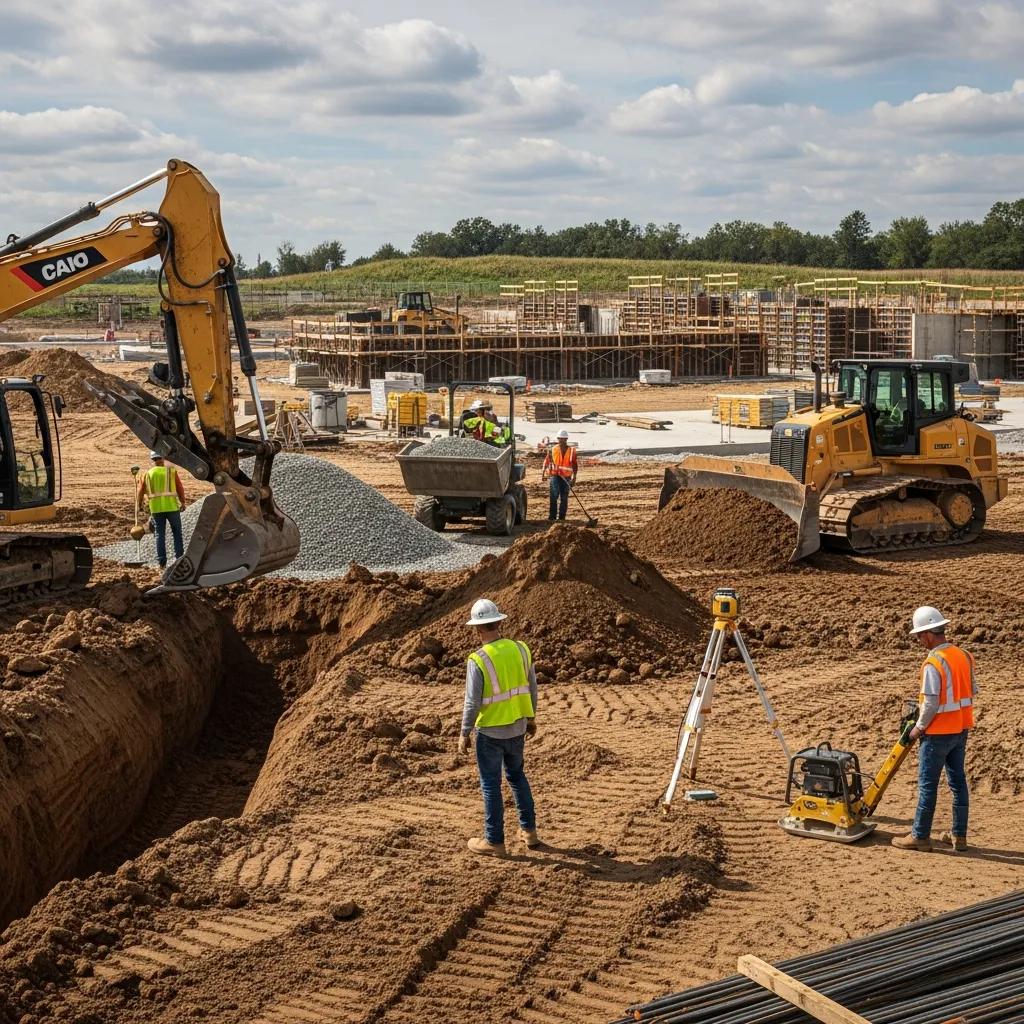
Site preparation and accessibility set the groundwork for a successful pour and are frequent sources of unexpected cost. Excavation, grading, removal of existing surfaces, drainage correction, and disposal of demolition debris are upfront tasks that add both labor and equipment rental fees. Poor site access — narrow driveways, long carry distances, or limited staging areas — increases manual handling or requires smaller equipment, both of which raise labor hours. Identifying subsurface issues like rock, roots, or poor soils during pre-bid inspections prevents expensive mid-job change orders. Clear documentation of site conditions helps contractors provide realistic line items and reduces the risk of surprise charges that can inflate the final invoice.
A practical checklist and a short case comparison follow to illustrate typical site-prep scenarios and their cost implications.
- Excavation and grading tasks contractors commonly list when preparing a site.
- Equipment needs and access constraints that raise labor and rental costs.
- Disposal, hauling, and environmental precautions that add to line items.
This checklist prepares you to evaluate the specific site-prep items that appear in an itemized quote and to ask informed questions about alternatives and cost-saving measures.
How Do Excavation, Grading, and Demolition Influence Pricing?
Excavation depth, volume of material removed, and the complexity of grading increase both machine time and hauling costs. Removing an old slab or driveway adds demolition labor and disposal fees, and encountering unexpected subsurface conditions—compacted rock, undocumented utilities, or contaminated fill—can create change orders. Proper drainage correction or the installation of base materials and geotextiles improves long-term performance but raises upfront costs. Contractors typically itemize these tasks so owners can see where site-prep adds to the total; requesting a pre-bid site walk helps identify likely issues and lets contractors include realistic allowances for unforeseen subsurface conditions.
Recognizing those potential add-ons helps you anticipate how access limitations will further affect costs in the next subsection.
Why Does Site Accessibility Affect Labor and Equipment Expenses?
Access constraints translate directly into labor hours and equipment selection choices: restricted sites may prevent large trucks or concrete pumps from operating efficiently, requiring smaller chutes, wheelbarrows, or multiple manual carries that increase time on site. Limited staging forces crews to make more frequent material runs and complicates traffic control or protection of landscaping, which adds labor and protective materials costs. Conversely, an open suburban lot with ample staging reduces setup time and allows larger equipment, lowering per-unit labor hours. Contractors factor access into bids through higher labor allowances or equipment charges when necessary, so clarifying access during the quoting process helps produce accurate, comparable bids.
Understanding access impacts sets the stage for planning around permits and seasonal weather that can shift schedules and costs.
How Do Permits, Regulations, and Weather Conditions Affect Concrete Project Costs?
Permits, local code compliance, inspections, and seasonal weather considerations all influence both the price and timing of concrete projects. Permit fees and inspection schedules add direct costs and can extend project timelines; in some cases contractors will include permit handling as a line item or manage the process for an added fee. Weather conditions—hot summers, rainy periods, or cold snaps—require additives, temperature control measures, or temporary protection that increase material and labor costs. Scheduling around seasonal demand can also affect labor availability and pricing. Anticipating these administrative and environmental factors reduces schedule risk and prevents mid-project cost escalations.
Below is a short FAQ-style list and guidance for where permitting and seasonal planning typically affect estimates.
- Permit Types: Driveway, foundation, or commercial permits may be required and have direct schedule impacts.
- Inspection Rework: Failed inspections or missed code items create rework and extra expense.
- Weather Mitigation: Cold-weather pour protection or hot-weather curing measures increase materials and labor.
These points lead naturally into practical advice on checking permits and planning around seasonal constraints in Greensboro.
What Are the Permit Requirements and Their Cost Implications in Greensboro, NC?
Typical permits for concrete work include residential driveway or foundation permits and specific commercial permits for larger-scale slabs or public-facing work; the exact requirements depend on municipal or county rules. Permit processing adds time to project schedules and can include attached inspection checkpoints that may require corrective work if specifications aren’t met. Because permit fees and procedures vary by jurisdiction, owners should check local municipal portals or ask their contractor to handle permitting and budget the associated fee as part of the estimate. Having the contractor manage permits can streamline scheduling but may appear as a separate line item in the proposal.
Asking your contractor to clarify whether permitting is included in the estimate prevents surprises and points to contractor value-adds, which we discuss next along with weather-related impacts.
How Do Seasonal and Weather Considerations Impact Project Pricing?
Seasonal conditions affect curing, the choice of admixtures, and protective measures—cold-weather pours need insulating blankets or accelerators, while hot weather often requires evaporation control and different timing for finishing operations. These measures increase both material and labor costs and sometimes require extended supervision to meet quality outcomes. Seasonal demand can also alter crew availability and material supply pricing, with peak seasons often commanding higher labor rates. Planning work during milder months reduces the need for extreme weather mitigation and can yield lower total costs; when timing is constrained, budget for the extra measures required to pour successfully in adverse conditions.
With seasonal and permitting impacts accounted for, the next section provides 2024-specific cost ranges to help you set realistic budgets.
What Are the Average Concrete Project Costs in Greensboro, NC for 2024?
This section gives localized 2024 context with typical ranges for residential and commercial projects, decorative work, and repairs. Ranges reflect current material and labor trends, typical specification choices in the region, and the cost drivers discussed earlier. Use these ranges for budgeting, but always request an itemized, site-specific quote because site prep, access, and specified finishes cause significant variance. The table below summarizes common project types, unit measures, and typical cost ranges to aid quick scanning and comparison.
This table offers a compact guide; the variance entries above indicate that site-specific factors drive final placement within each range.
What Are Typical Residential Concrete Pricing Ranges?
Residential projects like driveways, patios, and garage slabs commonly appear in homeowner budgets and vary based on thickness, reinforcement, finish, and site conditions. Driveways typically assume 4–6 inches of thickness with reinforcement and require base preparation; patios often use 4-inch slabs with lower structural requirements but may include decorative finishes that increase price. Garage slabs and small foundations require stricter flatness, reinforcement, and sometimes higher PSI mixes for vehicle loads. Because these ranges are estimates, homeowners should request itemized quotes that show assumptions for thickness, base preparation, reinforcement, and finish to understand what drives a bid to the low or high end.
Asking contractors to show those assumptions helps you compare quotes and avoid scope differences that masquerade as price variance.
What Are Common Commercial Concrete Pricing Estimates?
Commercial work—parking lots, warehouse floors, curb and gutter—requires higher-spec mixes, thicker sections, and more rigorous jointing and reinforcement, which increase both material and labor costs. Commercial projects also involve traffic management, phased construction, and often stricter tolerance and testing requirements that add to schedule and cost. Lifecycle considerations are important: investing in higher initial specification often reduces maintenance and downtime costs over years, which is a critical metric for commercial owners. When budgeting for commercial work, evaluate cost per year of service life rather than just initial installation price.
Understanding these long-term tradeoffs helps owners make specification decisions that align with operational goals.
How Much Does Stamped and Decorative Concrete Cost?
Stamped, colored, or stained concrete carries a clear premium because of extra materials (pigments, release agents) and substantially more finishing labor. The stamping process requires molds, precise timing, and skilled finishers to achieve consistent patterning, while integral color or staining involves additional material costs and surface preparation. Sealing and periodic maintenance also add lifecycle costs. Decorative concrete can be a strong value play when improving curb appeal or creating high-quality outdoor living areas, but owners should weigh aesthetics versus maintenance and budget accordingly.
When considering decorative options, request examples of previous work and an itemized list that separates materials and decorative labor so you can evaluate the premium transparently.
What Are Average Costs for Concrete Repair Services?
Concrete repair spans simple crack sealing, resurfacing, leveling, and partial or full replacement. Crack repair and sealing are typically the lowest-cost interventions for non-structural issues, while leveling or slab replacement is more expensive but necessary when settlement or structural failure is present. Resurfacing can refresh large areas economically but requires a sound substrate. Accurate diagnosis is essential: a visual inspection alone may miss underlying drainage or soil issues that affect repair longevity, so contractors should include inspection and diagnostic allowances in their estimates to ensure the quoted method is appropriate.
Insisting on a diagnostic step before repair recommendations helps avoid paying for short-term fixes that do not address root causes.
How Can You Get an Accurate Concrete Estimate from Greensboro Concrete Services?
Greensboro Concrete Services offers a structured process for producing free, no-obligation quotes that reflect site conditions and your specification choices; they emphasize local expertise, licensed/bonded/insured status, and clear itemization so customers can compare bids confidently. The estimate process centers on a site assessment, measurements, specification choices (mix, thickness, finish), and an itemized written proposal that separates materials, labor, equipment, and any permit or disposal fees. Presenting photos, rough measurements, access notes, and desired finish options at the initial contact speeds the process and improves accuracy. The table below shows what information to provide and how Greensboro Concrete Services typically uses each item to produce a precise proposal.
This transparency helps you understand how each piece of information influences the line items in your quote and why a site visit often refines the initial range estimate.
What Is the Process for Requesting a Free Concrete Quote?
Requesting a free quote typically begins with contacting the contractor through their public listing or website, providing basic project details and photos, and scheduling a site visit for a thorough assessment. During the site visit, the estimator measures, inspects for drainage or subsurface concerns, discusses desired finishes and timeline, and documents access constraints; this information informs an itemized proposal. After the site visit, expect a written estimate that separates material, labor, equipment, permit allowances, and any recommended contingencies for unseen conditions. While timelines vary with workload and season, this sequence—initial contact, site visit, detailed estimate—produces the most accurate, no-surprise quotes.
Following these steps ensures you receive a transparent, comparable proposal and reduces the likelihood of mid-project change orders.
What Information Should You Prepare for a Concrete Consultation?
Preparing a short packet of information improves quote accuracy and speeds the estimating process: include project dimensions or rough measurements, photos showing existing conditions, notes on access and terrain, the desired finish and approximate budget, and any timing preferences. Photos and measurements let estimators pre-calculate material volumes and spot potential site-prep needs; access notes determine equipment requirements and potential labor premiums. Sharing your finish choice—simple broom finish, colored or stamped—lets the estimator allocate proper skilled labor in the quote. Finally, mention whether you want the contractor to handle permits and disposal; including these items upfront prevents last-minute line-item additions.
For immediate next steps and to convert planning into a formal, itemized quote, contact Greensboro Concrete Services for a free, no-obligation estimate; their local, licensed, bonded, and insured team can evaluate site conditions, provide an itemized proposal, and advise on specification choices that balance budget and long-term value.
Frequently Asked Questions
What are the common mistakes homeowners make when budgeting for concrete projects?
Homeowners often underestimate the costs associated with site preparation, which can significantly impact the overall budget. They may overlook expenses related to excavation, grading, and disposal of existing materials. Additionally, many fail to account for the potential need for permits and inspections, which can add unexpected fees. Another common mistake is not considering the long-term value of higher-quality materials, which may have a higher upfront cost but can save money on repairs and maintenance in the future.
How can weather conditions affect the timing of a concrete project?
Weather conditions play a crucial role in the scheduling of concrete projects. Extreme temperatures, whether hot or cold, can affect the curing process and the overall quality of the concrete. For instance, pouring concrete in freezing temperatures may require additional measures like insulation or heating, while hot weather can necessitate evaporation control techniques. These factors can lead to delays in project timelines, as contractors may need to adjust schedules to ensure optimal conditions for pouring and curing.
What should I consider when choosing a concrete contractor?
When selecting a concrete contractor, consider their experience, reputation, and qualifications. Look for licensed, bonded, and insured contractors to ensure they meet local regulations and standards. Request references and examples of previous work to assess their quality. Additionally, ensure they provide detailed, itemized estimates that clarify costs associated with materials, labor, and any potential site preparation needs. Communication is key; a contractor who listens to your needs and provides clear explanations will likely deliver a better overall experience.
Are there eco-friendly options for concrete projects?
Yes, there are several eco-friendly options available for concrete projects. Homeowners can consider using recycled aggregates, which reduce the need for new materials and lower the carbon footprint. Additionally, opting for low-carbon concrete mixes that incorporate alternative materials can enhance sustainability. Some contractors also offer permeable concrete, which allows water to pass through, reducing runoff and promoting groundwater recharge. Discussing these options with your contractor can help you make environmentally conscious choices for your project.
How can I ensure the longevity of my concrete installation?
To ensure the longevity of your concrete installation, proper maintenance is essential. This includes regular cleaning to remove debris and stains, sealing the surface to protect against moisture and chemicals, and addressing any cracks or damage promptly to prevent further deterioration. Additionally, choosing high-quality materials and appropriate finishes can enhance durability. It’s also important to ensure proper drainage around the concrete to prevent water pooling, which can lead to cracking and other issues over time.
What are the benefits of decorative concrete finishes?
Decorative concrete finishes offer numerous benefits, including enhanced aesthetic appeal and increased property value. Options like stamping, staining, and coloring allow homeowners to customize their concrete surfaces to match their design preferences. These finishes can mimic the look of more expensive materials, such as stone or tile, at a lower cost. Additionally, decorative concrete can improve slip resistance and durability, making it a practical choice for outdoor spaces. Overall, these finishes provide both functional and visual enhancements to concrete installations.
Conclusion
Understanding the factors that influence concrete pricing in Greensboro, NC, empowers homeowners and businesses to make informed decisions about their projects. By considering material quality, labor expertise, project size, and site conditions, you can effectively budget and compare quotes for your concrete needs. For a tailored estimate that reflects your specific requirements, reach out to Greensboro Concrete Services today. Their local expertise ensures you receive a transparent, itemized proposal that aligns with your project goals.

0 Comments