
How to Repair Stamped Concrete in Greensboro NC: Expert Solutions for Cracks, Color Restoration, and Sealing
Repairing stamped concrete is essential for maintaining its aesthetic appeal and structural integrity. Stamped concrete, known for its decorative patterns and textures, can suffer from various issues such as cracks, discoloration, and wear over time. This article will guide you through the process of repairing stamped concrete in Greensboro, NC, focusing on identifying cracks, selecting the right materials, and restoring color and sealing surfaces. By understanding these aspects, homeowners can ensure their stamped concrete remains beautiful and durable for years to come.
Emphasizing the dual importance of aesthetics and structural integrity in concrete repair, one study highlights the critical need for proper repair methods.
Concrete Repair Methods: Appearance & Structural Integrity
Concrete is a very critical material that may require maintenance and possible repair periodically, especially in important structure such as bridges. In general, concrete in structures (e.g. reinforced concrete) may be subjected to cracks due to a variety of reasons. These cracks can affect not only the appearance of the structure but more importantly the structural performance of concrete and the integrity of the concrete structure. Therefore, when cracks occur a proper repair method should be selected, based on the intended performance of the structure and economy.
Methods and surface materials repair for concrete structures–A review, LW ElKhatib, 2023
In this guide, we will explore the common causes of cracks, how to identify different types of concrete cracks, proven techniques for repair, and the best materials for effective restoration. Additionally, we will discuss methods for color restoration and sealing, ensuring your stamped concrete looks as good as new.
What Are the Common Causes and Signs of Cracks in Stamped Concrete?
Cracks in stamped concrete can arise from various factors, including improper installation, environmental conditions, and underlying soil movement. Understanding these causes is crucial for effective repair.
- Improper Installation: If the concrete was not mixed or poured correctly, it may lead to weak spots that are prone to cracking.
- Weather Conditions: Extreme temperature fluctuations can cause the concrete to expand and contract, leading to cracks.
- Tree Roots: Roots from nearby trees can push against the concrete, causing surface issues and cracks.
Recognizing these signs early can help prevent further damage and costly repairs.
How to Identify Different Types of Concrete Cracks in Greensboro
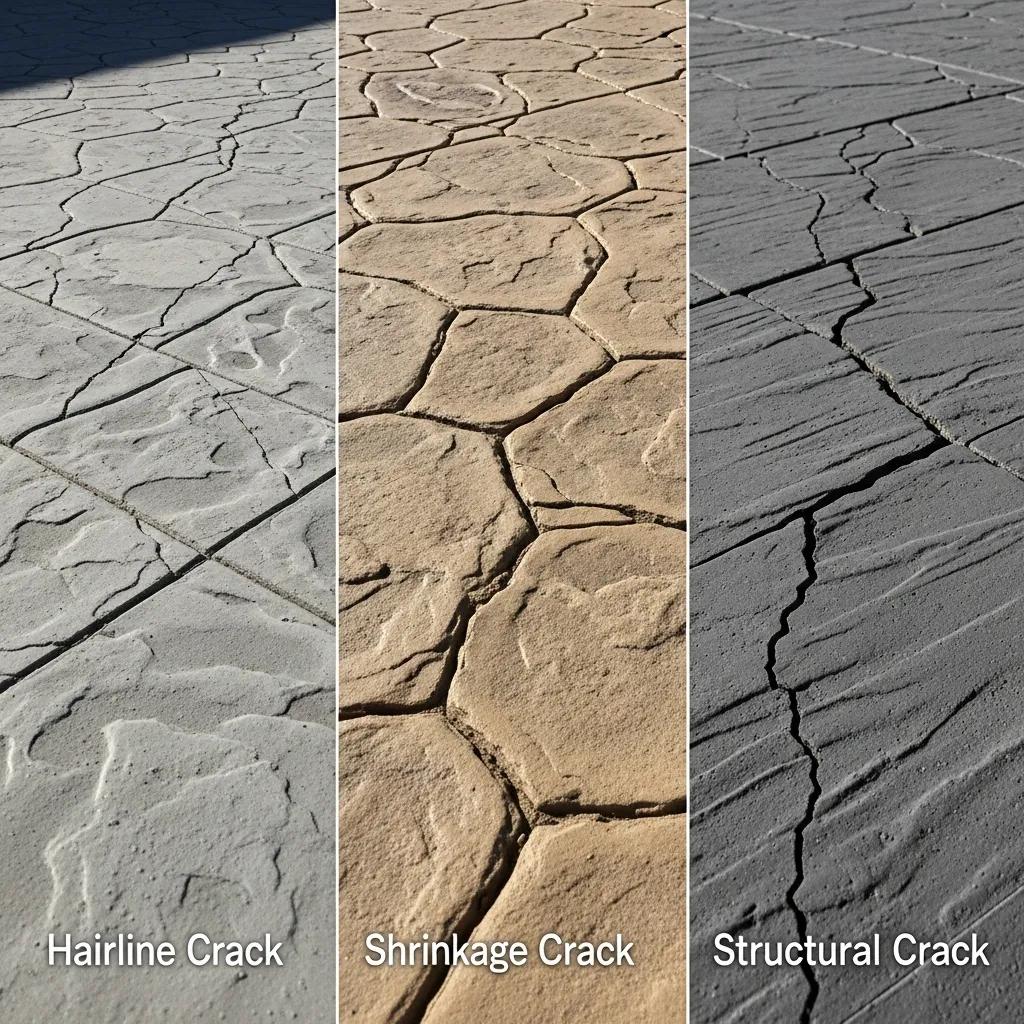
Identifying the type of crack is essential for determining the appropriate repair method. There are several types of cracks that can occur in stamped concrete:
- Hairline Cracks: These are very thin cracks that usually do not affect the structural integrity of the concrete.
- Shrinkage Cracks: These occur as the concrete dries and shrinks, often seen in newly poured concrete.
- Structural Cracks: These are wider and may indicate underlying issues with the foundation or soil movement.
Visual inspection is key to identifying these cracks, allowing for timely and effective repairs.
What Are the Proven Techniques for Repairing Stamped Concrete Cracks?
Repairing stamped concrete cracks involves several proven techniques that ensure durability and aesthetic appeal.
- Clean the Area Thoroughly: Before any repair, it is crucial to clean the crack and surrounding area to remove debris and loose material.
- Use Appropriate Repair Compounds: Selecting the right repair compound is vital. For small cracks, a concrete patching compound may suffice, while larger cracks may require epoxy injections.
- Seal the Surface After Repairs: Once the repair is complete, sealing the surface helps protect against moisture and further damage.
Research further supports the efficacy of specific materials, such as epoxy resins, in restoring the integrity of cracked concrete structures.
Epoxy Resins for Concrete Crack Repair
The use of epoxy resins for repairing concrete cracks is a common method to restore cracked concrete structures. In this paper, the effectiveness of three chosen brands of epoxy which are commercially available in the market are evaluated.
Evaluation of epoxy injection method for concrete crack repair, H Askarinejad, 2017
For those in Greensboro, Greensboro Concrete Services specializes in stamped concrete repair, offering tailored solutions to meet your needs.
Step-by-Step Guide to Repairing Concrete Cracks Effectively
To effectively repair concrete cracks, follow this step-by-step guide:
- Assess the Type and Cause of Cracks: Determine whether the cracks are hairline, shrinkage, or structural.
- Select the Right Repair Material: Choose a repair compound that matches the type of crack and the existing concrete.
- Prepare the Area: Clean the crack and surrounding area thoroughly to ensure proper adhesion of the repair material.
- Apply the Repair Compound: Follow the manufacturer’s instructions for mixing and applying the compound.
- Cure the Repair: Allow the repair to cure as per the guidelines, ensuring it sets properly before sealing.
By following these steps, you can ensure a successful repair that restores both function and appearance.
Which Materials Are Best for Durable Crack Repair in Stamped Concrete?
Choosing the right materials for repairing stamped concrete is crucial for achieving long-lasting results. Here are some recommended materials:
- High-Quality Repair Compounds: Look for compounds specifically designed for concrete repairs, which offer superior bonding and flexibility.
- Flexible Sealants: These are essential for sealing repaired areas, as they accommodate movement and prevent moisture infiltration.
- Color Matching Agents: If color restoration is needed, use agents that match the existing concrete color for a seamless finish.
Using the right materials not only enhances the durability of the repair but also maintains the aesthetic appeal of your stamped concrete.
The selection of appropriate materials is especially critical for active cracks, where flexible sealants like polyurethane are often recommended.
Flexible Polyurethane Sealant for Active Concrete Crack Repair
Repair of active cracks are most difficult because of the continued movement of such cracks and is still further difficult if the cracks are in wet condition. Any rigid repair material at such locations will harden at the interface between old and new surfaces and promoting to develop another crack at some other location. It is better to treat such cracks as joints if the movement is within the limits, otherwise it should be treated as expansion joints. With the controlled movement repair of such active cracks with a flexible polyurethane (PU) sealant is most suitable than other methods. The present paper focuses the application and suitability of PU sealant for active crack repair.
Repair of active cracks of concrete structures with a flexible polyurethane sealant for controlled movement, 2011
How Can You Restore Color and Texture in Stamped Concrete Surfaces?
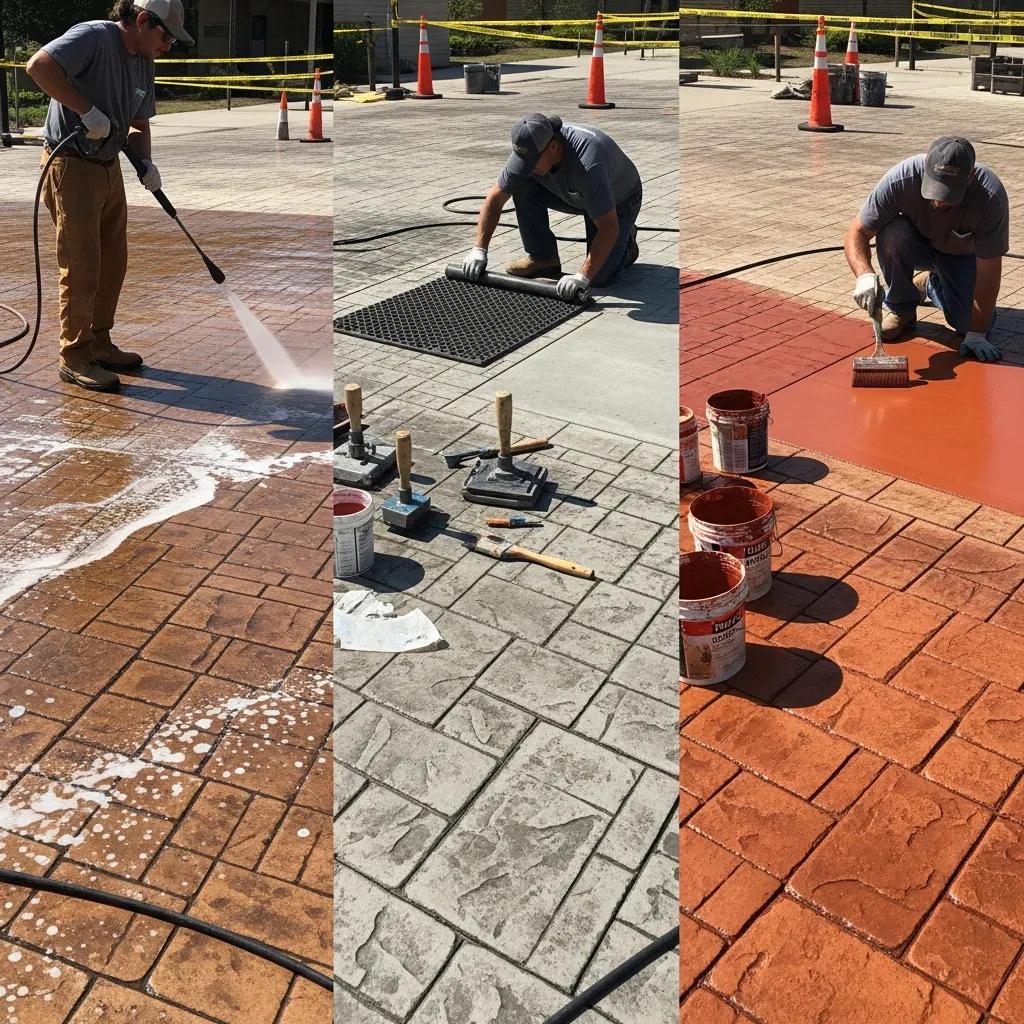
Restoring color and texture in stamped concrete surfaces can significantly enhance their appearance. Here are some effective methods:
- Cleaning: Start with a thorough cleaning to remove dirt, grime, and stains. This step is crucial for effective color restoration.
- Re-stamping: For significant discoloration, consider re-stamping the surface to achieve a uniform look.
- Applying Color Stains: Use concrete stains or dyes that penetrate the surface to restore the original color or change it entirely.
These methods can breathe new life into your stamped concrete, making it look vibrant and fresh.
Expert Greensboro Stamped Concrete Repair: Cracks, Color & Sealing
When repairing colored stamped concrete, matching the existing color is essential for a seamless appearance. Here are some techniques:
- Assess Damage Before Repair: Evaluate the extent of the damage and the existing color to determine the best approach.
- Use High-Quality Materials for Matching: Select repair materials that offer color matching options to blend with the existing concrete.
- Test on a Small Area: Before applying the repair material to the entire area, test it on a small, inconspicuous section to ensure color compatibility.
These steps will help ensure that your repairs are not only functional but also visually appealing.
Further research delves into specific methods for achieving precise color matching and restoration in colored concrete.
Chromatic Design & Restoration Mortars for Colored Concrete
Colored Concrete Restoration Method (CCR-method), to the chromatic design and application of restoration mortars on colored concrete
Colored concrete restoration method: For chromatic design and application of restoration mortars on smooth surfaces of colored concrete, J Valença, 2019
Benefits of Professional Color Restoration Services
Hiring professionals for color restoration offers several advantages:
- Enhanced Aesthetic Appeal: Professionals have the expertise to restore the original beauty of your stamped concrete.
- Increased Property Value: Well-maintained concrete surfaces can significantly enhance the overall value of your property.
- Time and Cost Efficiency: Professionals can complete the job more quickly and effectively, saving you time and potential costs from DIY mistakes.
For those in Greensboro, Greensboro Concrete Services provides expert color restoration services tailored to your specific needs.
What Are the Best Concrete Sealing Services Available in Greensboro NC?
Sealing your stamped concrete is essential for protecting it from the elements and maintaining its appearance. Here are some of the best sealing services available:
- Regular Sealing: It is recommended to seal stamped concrete every 2-3 years to maintain its protective layer.
- Choose Sealers Based on Concrete Type: Different types of concrete may require specific sealers for optimal performance.
- Professional Application: Hiring professionals ensures that the sealing is applied correctly, maximizing its effectiveness.
Greensboro Concrete Services offers comprehensive sealing solutions to protect your investment.
How Does Concrete Sealing Improve Durability and Appearance?
Concrete sealing plays a vital role in enhancing both the durability and appearance of stamped concrete.
Indeed, surface coatings are recognized for their ability to protect concrete and bridge cracks, significantly extending its lifespan.
Concrete Surface Coatings for Protection & Crack-Bridging Durability
Surface coatings on concrete can provide an effective and efficient protection for both concrete and the steel embedded in it, and can enhance the long-term durability of concrete materials and concrete structures exposed to aggressive environments. In practice, concrete is often cracked, and the crack-bridging ability of coatings is an important factor to be considered in evaluating their performance characteristics.
An external surface coating to protect concrete and steel from aggressive environments, 1993
- Protection Against Moisture: Sealing creates a barrier that prevents water infiltration, reducing the risk of cracks and damage.
- Enhanced Appearance: A good sealer can enhance the color and texture of stamped concrete, making it look more vibrant.
- Resistance to Stains: Sealed surfaces are less prone to staining from spills and environmental factors, ensuring long-lasting beauty.
Beyond traditional methods, innovative approaches like biogrout are also being explored for their potential to enhance concrete’s water resistance and mechanical strength.
Biogrout for Concrete Crack Sealing & Water Resistance
This study aimed to explore the potential of Bacillus pasteurii for repairing concrete cracks to enhance compressive strength and water resistance. The results showed that biogrout treatment significantly improved the mechanical properties and reduced water absorption of cracked concrete specimens.
Crack sealing in concrete with biogrout: sustainable approach to enhancing mechanical strength and water resistance, 2024
Understanding the benefits of sealing can help you maintain your stamped concrete effectively.
When and How Often Should Stamped Concrete Be Sealed?
Sealing stamped concrete is crucial for its longevity. Here are some guidelines:
- Frequency: It is advisable to seal stamped concrete every 2-3 years, depending on exposure to the elements and wear.
- Signs of Wear: Monitor for signs of wear, such as fading or water absorption, which indicate that sealing is needed.
- Professional Assessment: Consider having a professional assess the condition of your concrete to determine the best sealing schedule.
By following these guidelines, you can ensure that your stamped concrete remains protected and visually appealing for years to come.


0 Comments