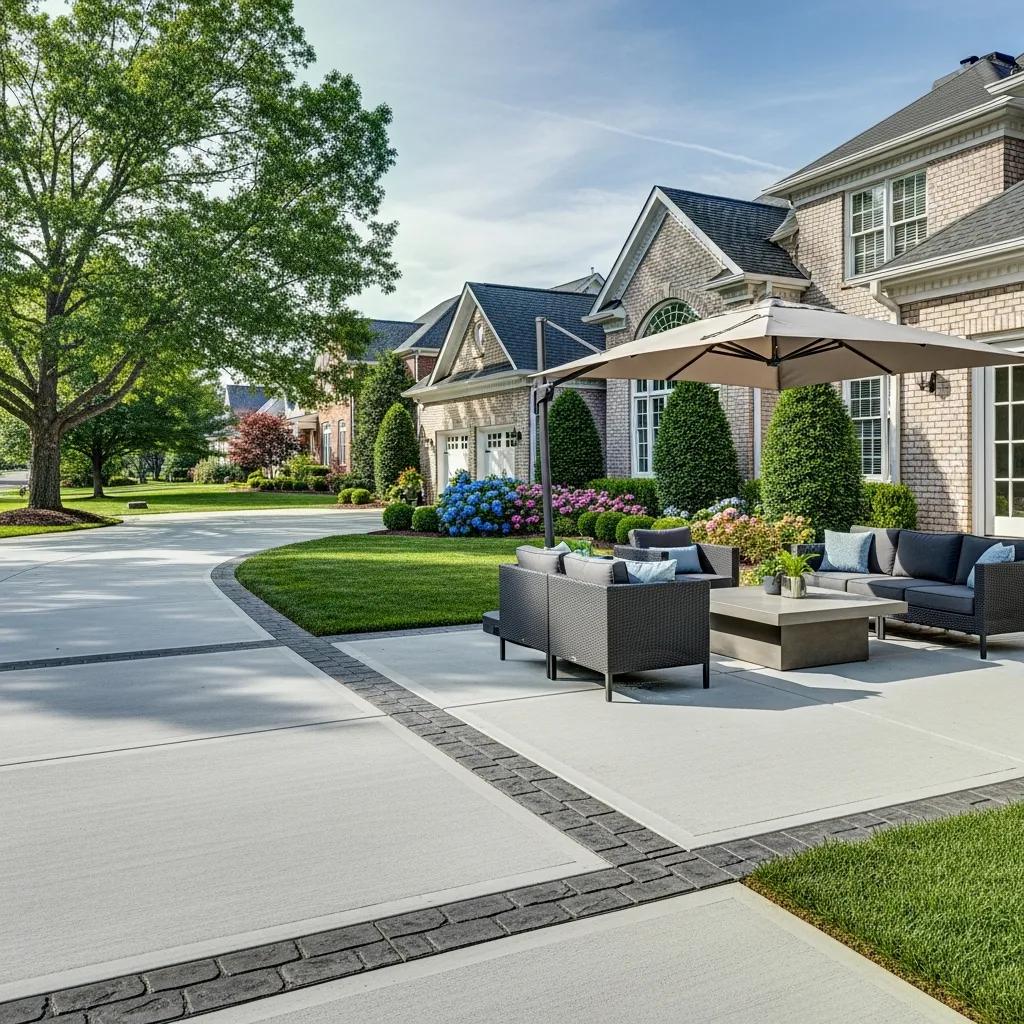
Comprehensive Residential Concrete Services in Greensboro, NC: Expert Home Solutions
Residential concrete in Greensboro, NC covers a wide range of home improvement services—driveways, patios, sidewalks, foundations, and decorative finishes—that improve durability, curb appeal, and long-term property value. This article explains the most common residential concrete services available to homeowners in Greensboro, why decorative and stamped options are popular, what drives cost, how to maintain and repair surfaces, and how to select local contractors. Many Greensboro homeowners face issues from seasonal freeze/thaw cycles, heavy vehicle loads, and drainage challenges; understanding service types, pricing drivers, and maintenance strategies helps prevent premature failure and reduces lifecycle costs. Readers will learn practical steps for preparing property for installations, realistic timelines for curing and finishing, and cost factors to discuss when requesting quotes. Throughout, the guide uses terms like home concrete Greensboro, residential contractor Greensboro, and stamped concrete Greensboro to align local relevance with actionable advice homeowners can use when planning concrete projects.
What Are the Key Residential Concrete Services Offered in Greensboro?
Residential concrete services in Greensboro encompass installations and repairs that create functional, long-lasting outdoor spaces for homes. These services include concrete driveway installation and repair, patio design and installation, sidewalk and walkway repairs, foundation slab work, and resurfacing or decorative concrete options such as stamping or coloring. Each service addresses different homeowner needs—driveways prioritize structural thickness and reinforcement, patios focus on layout and finishes for outdoor living, and sidewalks emphasize accessibility and safe walking surfaces—so the chosen approach depends on use, site conditions, and desired appearance. Understanding these service types helps homeowners prioritize budget, schedule, and finish choices for local climate and soil conditions. The following subsections explain driveway and patio services in greater detail, including typical steps and what homeowners should expect during installation or repair.
Concrete Driveway Installation and Repair Services Explained
Concrete driveway installation begins with site evaluation, excavation to the required subbase depth, placement of aggregate subbase, reinforcement with rebar or wire mesh, and pouring a mix sized for expected loads and climate. Repairs range from crack filling and joint sealing to partial resurfacing and full replacement when settlement or extensive cracking compromises structural integrity. Homeowners should expect staging for curing time, temporary access restrictions during finishing, and clear communication about expected load-bearing times after pour. Knowing typical causes—poor drainage, freeze/thaw damage, tree root pressure, and insufficient subbase—helps homeowners decide between spot repairs and full replacement. The next section describes patio design and installation choices that complement driveway strategies and outdoor living needs.
Design and Installation of Concrete Patios for Greensboro Homes
Concrete patio design balances function, size, and aesthetic finish while addressing grading and drainage to prevent pooling and erosion. Popular finishes for patios include broom, exposed aggregate, colored concrete, and stamped patterns that mimic stone or tile while providing a durable surface. Installation involves site preparation, compacted subbase, appropriate slope for runoff, reinforcement, and finishing techniques chosen for traction and appearance. Drainage considerations and adjacency to landscaping or structures inform placement and edge details to prevent undermining and future repairs. Proper site preparation for patios directly reduces long-term maintenance and complements driveway choices discussed earlier.
How Does Stamped and Decorative Concrete Enhance Greensboro Residences?
Stamped and decorative concrete transform plain slabs into architecturally pleasing surfaces that mimic stone, brick, or tile while maintaining the durability of concrete. Decorative approaches work by altering surface texture and color—through stamping mats, integral pigments, acid stains, or exposed aggregate—so homeowners get high curb appeal with low maintenance compared with some natural materials. These finishes deliver both aesthetic and functional benefits: improved slip resistance with textured patterns, cohesive landscaping ties through matching tones, and resilient surfaces suited to Greensboro’s seasonal variations. The following table compares common decorative options to help homeowners choose the right finish for patios, pool decks, and walkways.
This comparison highlights appearance, cost, and durability differences among decorative concrete options.
Popular Stamped Concrete Patterns and Finishes for Homes
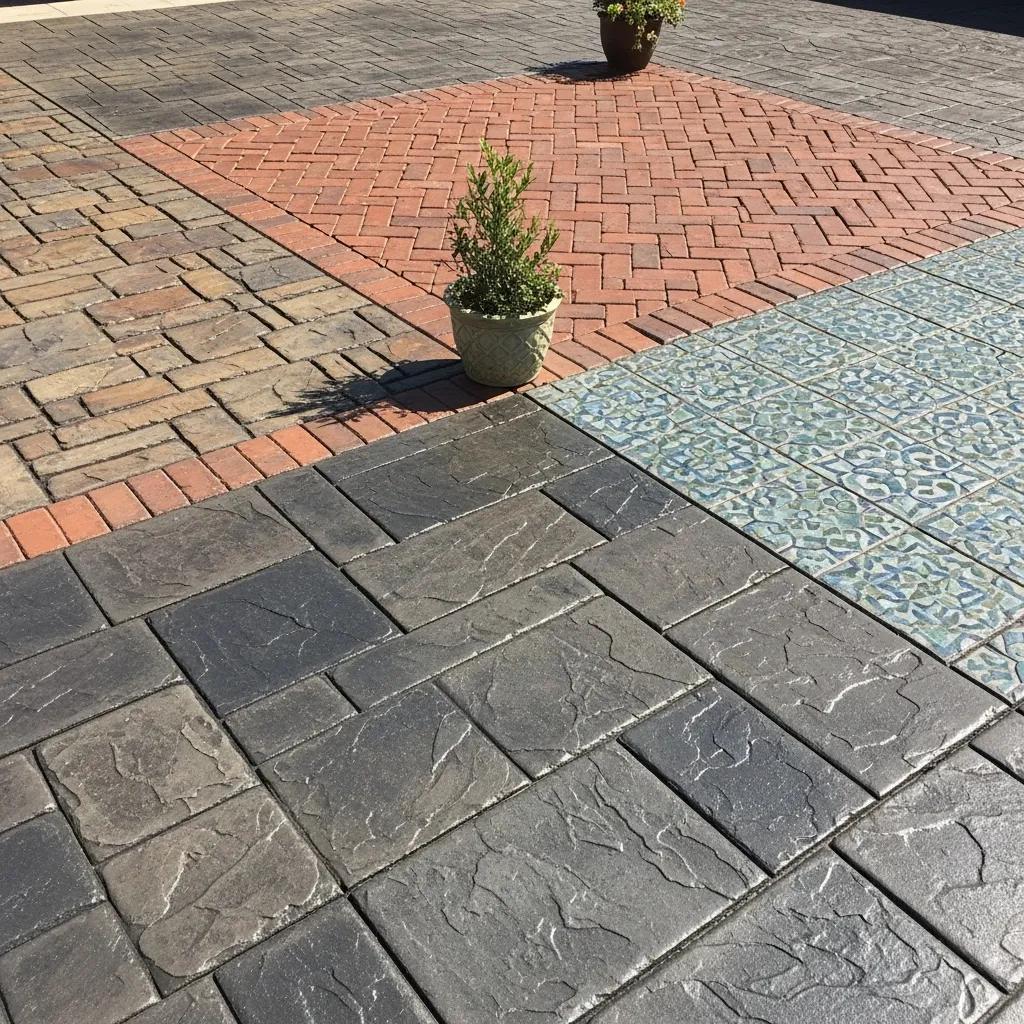
Homeowners commonly choose stamped patterns that replicate natural stone, brick, or slate, as these patterns provide a high-end look without the maintenance of loose pavers or natural stone. Pattern choice should align with architectural style—colonial homes pair well with brick or cobblestone, while contemporary houses often favor large-format stone or slate impressions. Finishing touches include release agents for two-tone color effects, antiquing to highlight texture, and sealers to enhance color longevity and UV resistance. Durability varies by finish and sealing frequency, so combining proper subbase construction with a finish chosen for local weather ensures the best long-term performance. The following section examines the homeowner-facing benefits of decorative concrete to inform decisions about whether to invest in stamped or colored treatments.
Benefits of Decorative Concrete for Residential Outdoor Spaces
Decorative concrete offers homeowners aesthetic versatility, strong durability, and lower long-term maintenance compared with some alternative surfacing materials. It enhances curb appeal and can increase perceived property value by delivering consistent, cohesive outdoor living areas that withstand traffic, weathering, and routine cleaning. Functional benefits include customizable slip-resistance through texture choices and easier repair options—individual sections can be patched or resurfaced without replacing entire layouts. Many Greensboro homeowners find decorative concrete particularly well-suited for pool decks, patios, and entryways where coordinated color and pattern improve overall landscape design. Understanding these advantages prepares homeowners to weigh upfront cost versus long-term value when planning decorative upgrades.
What Factors Influence the Cost of Residential Concrete Projects in Greensboro?
Project cost for residential concrete in Greensboro depends on several core drivers: project size (square footage), concrete thickness and PSI mix, finish type, site preparation requirements, access and hauling logistics, and permit or inspection fees. Labor rates and local material availability also influence final estimates, while complex site conditions—steep grading, large trees, or extensive utility relocation—can significantly raise costs. To help homeowners compare options, the table below summarizes typical cost drivers for driveways, patios, and common repair work so you can identify where most dollars are spent and where you can economize.
Use this table to understand how size, material, and labor combine to create final price ranges.
Typical Price Ranges for Driveways, Patios, and Repairs
Typical price ranges vary by project scope, but homeowners can expect baseline differences driven by surface area and finish selection. Driveways generally require thicker slabs and more reinforcement than patios, increasing material and labor costs accordingly. Patios with decorative stamping, color, or exposed aggregate carry higher per-square-foot costs than broom-finished slabs due to additional labor and finishing time. Repairs range from inexpensive crack sealing and joint maintenance to costly slab replacement when subbase failure or significant settlement is present. When planning budgets, include contingencies for drainage upgrades, retaining walls, or permit fees that often appear as line items on contractor estimates.
Key Elements Affecting Concrete Service Pricing in Greensboro
Several elements directly affect pricing: site preparation and subbase stabilization, concrete mix strength (PSI) and admixtures, reinforcement requirements (rebar or wire mesh), accessibility for equipment, finish complexity, and local labor conditions. Weather windows also affect scheduling and potential cost—late-season pours during variable conditions may require admixtures or heating measures that increase cost. Homeowners should ask contractors about unit pricing, what’s included (excavation, disposal, subbase compaction, sealing), and line items for common add-ons to compare estimates fairly. Understanding these elements supports informed conversations during the quote process and helps homeowners identify where to save without sacrificing structural performance.
How Can Homeowners Maintain and Repair Residential Concrete Surfaces?
Proactive maintenance extends the life of concrete surfaces: regular cleaning, timely crack sealing, reapplication of sealants every few years, and ensuring proper drainage prevent water-related damage and freeze/thaw deterioration. Seasonal checks for drainage issues, vegetation encroachment, or new cracks let homeowners address minor issues before they require costly repairs. The maintenance schedule table below provides a simple Entity-Attribute-Value view to help homeowners plan routine tasks and decide when to call a professional.
This table gives a practical routine homeowners can follow to preserve performance and appearance. The next subsection lists actionable maintenance tips and common warning signs that indicate the need for professional repair.
Effective Concrete Driveway and Patio Maintenance Tips
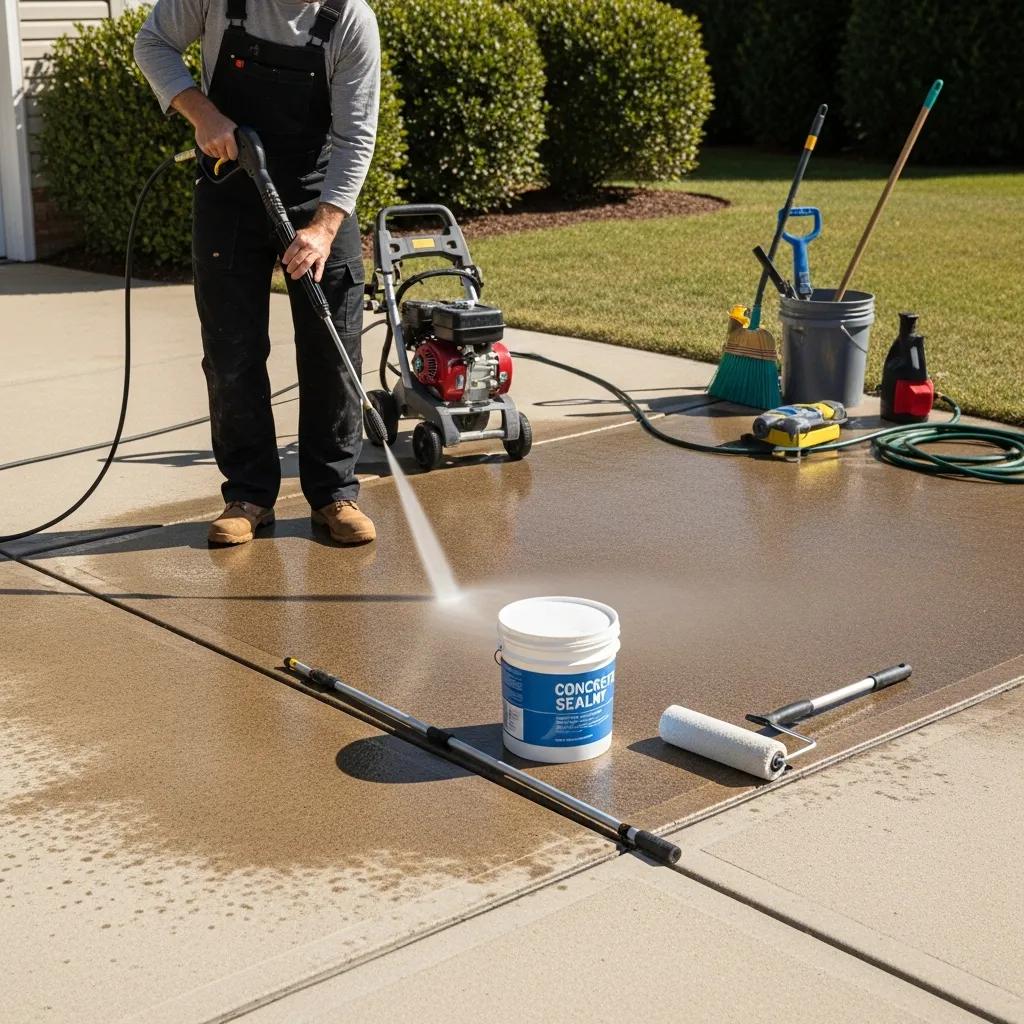
Maintaining concrete surfaces starts with routine cleaning to remove oil, dirt, and organic matter that hold moisture against the slab and promote staining or freeze/thaw damage. Sealant application every two to three years protects decorative finishes and reduces water ingress; inspect joints and repair cracks promptly using appropriate fillers to prevent water from undermining the subbase. Preventive measures such as redirecting downspouts, avoiding deicing salts that accelerate deterioration, and limiting heavy parked loads on thin slabs reduce stress and prolong service life. Following these maintenance steps reduces the likelihood of resurfacing or replacement and ensures the concrete continues to perform under Greensboro’s climate.
Common Concrete Repair Solutions for Greensboro Homes
Repair options vary by severity: hairline cracks are often best treated with flexible sealants or crack-filling compounds; spalling and surface deterioration can respond well to patching or resurfacing; significant settlement or heaving typically requires full slab replacement with corrected subbase preparation. Techniques such as slab jacking or mudjacking can restore levelness for some sunken sections, while epoxy injection addresses structural crack repair in certain cases. Choosing between DIY and professional repair depends on the scope—simple sealing and small patches are suitable for competent homeowners, whereas structural repairs, replacement, and complex drainage corrections require licensed contractors. Recognizing damage patterns and acting early yields cost savings and better long-term outcomes.
Why Choose Local Greensboro Concrete Contractors for Your Home Services?
Hiring local Greensboro contractors brings advantages like familiarity with county permitting processes, local soil conditions, and seasonal weather patterns that affect concrete selection and scheduling. Local contractors typically understand freeze/thaw cycles, common soil types in the Piedmont region, and how to sequence work during Greensboro’s optimal pouring windows to reduce curing complications. When evaluating providers, focus on licensing, insurance, references, detailed estimates, and clear warranties for workmanship—these criteria help distinguish reliable tradespeople from less capable providers. The checklist below helps homeowners vet contractors effectively and make an informed hiring decision.
- Verify Licensing and Insurance: Confirm the contractor is properly licensed and carries liability insurance and worker coverage.
- Request Detailed Estimates: Ask for itemized bids that specify excavation, subbase, reinforcement, finishes, and sealants.
- Check References and Reviews: Review recent projects and request references for similar work.
- Confirm Permitting and Inspections: Ensure the contractor will obtain required permits and schedule inspections.
Evaluating Contractor Expertise and Customer Reviews
When vetting contractors, ask targeted questions about concrete mix specifications (PSI), reinforcement methods, slab thickness, curing procedures, and finish options to assess technical competence. Request photos of completed projects similar in scope and finish and seek recent references to verify quality and reliability. Red flags include vague estimates, unwillingness to provide proof of insurance or references, and pressure tactics to sign immediately without a written scope. Comparing multiple written estimates and asking about warranty coverage, timeline, and cleanup responsibilities helps homeowners make evidence-based selections. Strong contractor responses about local code familiarity and demonstrated past work indicate readiness to handle Greensboro-specific conditions.
Understanding Local Regulations and Weather Impact on Concrete
Permits and inspections in Greensboro or Guilford County typically address setbacks, drainage, and work within public right-of-way; homeowners should confirm permit requirements before construction begins. Weather factors—temperature ranges, humidity, and freeze/thaw cycles—affect concrete curing and selection of admixtures; contractors may adjust mix designs or schedule pours to avoid extreme conditions. Planning installations in spring through early fall reduces risks associated with winter pours, whereas late-season work may require additional curing measures. Homeowners should coordinate with contractors to choose optimal timing and confirm that proposed methods align with local building code expectations and inspection requirements.
What Are the Steps Involved in Residential Concrete Installation and Repair?
Residential concrete installation and repair follow clear stages: initial assessment and site preparation, forming and reinforcement, concrete placement and finishing, and curing with final sealing and cleanup. Each stage has typical durations—site prep and forms often take 1–3 days depending on complexity; pouring and finishing occur in a single day for most residential slabs; curing takes several days to reach initial set and up to 28 days for full strength, with safe-use guidance provided by contractors. A numbered timeline below outlines common steps and expected timing to set realistic homeowner expectations.
- Site Assessment and Permitting (1–7 days): Inspect site, confirm grades, and obtain any necessary permits before work begins.
- Excavation and Subbase Prep (1–3 days): Excavate to design depth and compact aggregate subbase for stable support.
- Forming and Reinforcement (1 day): Set forms, place rebar or wire mesh, and prepare for pour.
- Pouring and Finishing (1 day): Place concrete, consolidate, finish surface texture, and install control joints.
- Curing and Protection (3–28 days): Protect slab, maintain moisture during curing, and follow contractor guidance for safe use.
Preparing Your Property for Concrete Driveway or Patio Installation
Before installation, homeowners should clear the work area of vehicles, portable items, and landscape features that impede access, and mark utility locations to avoid accidental damage. Communicate access windows to contractors, provide space for equipment and material staging, and protect landscaping and adjacent structures with temporary barriers as needed. Expect crews to require brief access to water and power for tools and curing aids; discuss placement of temporary parking for residents during active work. Clear pre-construction communication reduces delays and clarifies responsibilities, leading directly into proper curing and finishing practices covered next.
Typical Timeline and Process for Concrete Curing and Finishing
After placement and finishing, concrete achieves an initial set within 24–48 hours, allowing careful foot traffic, while vehicle loads typically wait 7 days or longer based on slab thickness and mix design; full structural strength develops up to 28 days. Curing methods—moist curing, curing compounds, or wet coverings—preserve hydration and reduce cracking potential, and should be chosen based on local weather and finish type. Finishing techniques such as brooming for traction, stamping for pattern, and exposed aggregate placement affect timing and require additional finishing labor immediately after placement. Following the contractor’s curing guidance ensures the slab reaches intended strength and finish longevity without premature loading that can cause damage.


0 Comments