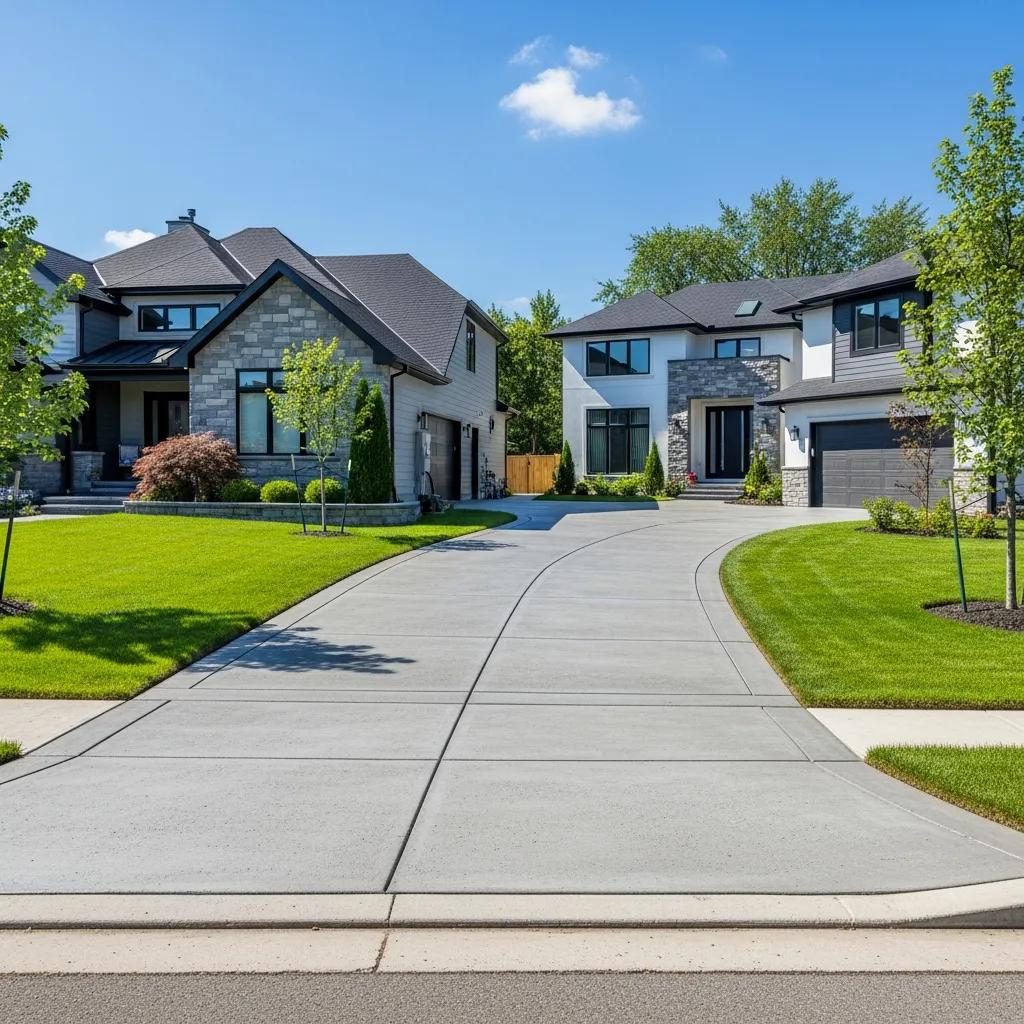
Residential Concrete Services in Adams Farm, Greensboro, NC: Comprehensive Solutions for Homeowners
Residential concrete services in Adams Farm cover a broad set of exterior and structural improvements that improve durability, curb appeal, and long-term home value. This guide explains what “residential concrete” includes — from concrete driveways and patios to garage slabs, foundations, decorative finishes, and routine repair — and why Adams Farm-specific guidance matters given local soil, grading and seasonal weather patterns. Homeowners will learn which services are commonly needed in Adams Farm, how installations support structural stability, which decorative finishes perform best, practical maintenance and repair options, and how to evaluate contractors and costs. The article maps practical steps for choosing finishes, protecting surfaces against Greensboro’s moisture cycles, and troubleshooting common defects like cracks and settlement. Throughout, target keywords such as Adams Farm residential concrete, concrete driveways Adams Farm, concrete patios Adams Farm, and concrete sealing Greensboro are integrated to aid discoverability and to keep the content focused on actionable local guidance.
What Are the Key Residential Concrete Services Available in Adams Farm?
Residential concrete services in Adams Farm include a core set of hyponymous solutions that address driveways, outdoor living, structural slabs and repairs. These services typically encompass poured concrete driveways, decorative patios and pool decks, garage slabs, foundation and basement work, sidewalks and curbs, retaining walls, and repair/maintenance programs such as crack injection and sealing. Each service relies on meronym components like rebar, wire mesh, expansion joints, control joints, and subbase gravel to perform correctly; proper use of admixtures and sealers also influences longevity. Local considerations in Adams Farm often involve slope, surface drainage, HOA design guidelines and occasional heavy-rain runoff, which affect project scope and permit needs. Understanding these core services helps homeowners prioritize projects according to structural need, curb appeal and budget, and the next sections describe typical applications and design choices in more detail.
The primary concrete services homeowners request in Adams Farm include:
- Poured concrete driveways for durable vehicle access and curb appeal.
- Concrete patios and pool decks for outdoor living and slip-resistant surfacing.
- Garage slabs and foundation slabs that provide structural support and moisture barriers.
- Decorative finishes such as stamped, stained, and exposed aggregate for aesthetic upgrades.
- Repair and maintenance services including crack repair, leveling, resurfacing and sealing.
These services form a layered approach: structural work first, then functional surfacing, then decorative finishes, and finally scheduled maintenance to protect the investment.
How Do Concrete Driveways Enhance Adams Farm Homes?
Concrete driveways provide a resilient, low-maintenance ramp that increases curb appeal and supports vehicle loads over decades when properly designed. Concrete achieves durability through correct thickness, usually 4–6 inches for passenger vehicles, combined with subbase compaction and reinforcement such as wire mesh or rebar that limits cracking under load. Driveway finishes range from broom finishes for traction to stamped or colored overlays for visual impact; these hyponym finishes can mimic stone or brick while requiring less maintenance than pavers. In Adams Farm, practical design addresses surface drainage and slope to prevent standing water and frost-related uplift, and the next topic explains decorative patio and pool deck options that share many of these surfacing choices.
What Options Exist for Concrete Patios and Pool Decks in Adams Farm?
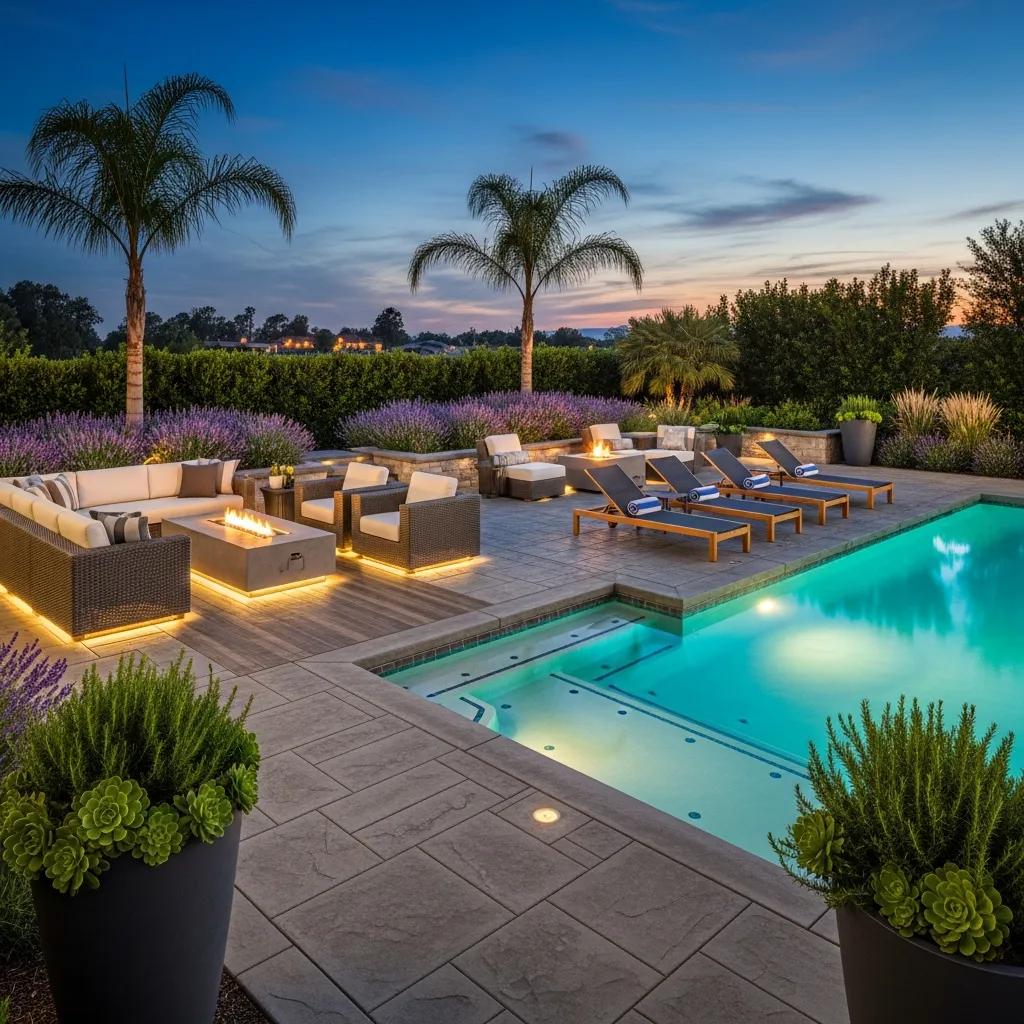
Concrete patios and pool decks balance aesthetics, safety and heat management to create comfortable outdoor spaces for Adams Farm backyards. Decorative options include stamped concrete, stained finishes, and exposed aggregate; each finish trades visual texture against slip resistance and maintenance needs. For pool decks, designers prioritize slip-resistant textures and lighter pigments to reduce heat absorption, and they integrate perimeter drainage or subtle slopes to channel water away from foundations. Installation requires careful joint planning and edge details to avoid edge spalling and to harmonize with landscaping; these considerations flow naturally into foundation and slab installation practices described next.
How Does Concrete Foundation and Garage Slab Installation Support Home Stability in Adams Farm?
Foundations and garage slabs form the structural baseline that transfers building loads to stable subgrade and resists moisture intrusion, making their correct design essential in Adams Farm. Slab-on-grade systems are common for garages and single-level additions, while pier-and-beam may appear under raised floors; the selection depends on soil bearing capacity, elevation and drainage. Proper subgrade preparation — including compaction of subbase gravel, use of vapor barriers, correct reinforcement placement (rebar or wire mesh) and appropriate concrete strength — prevents settlement and reduces cracking over time. Inspection and permitting ensure compliance with local codes, and routine signs of distress such as stepped foundation cracks or uneven floors indicate when a structural inspection is required. The following subsections explain garage slab benefits and local approaches to foundation repair.
What Are the Benefits of Professional Garage Slab Installation in Adams Farm?
Professional garage slab installation ensures adequate thickness, reinforcement and site grading to support vehicle loads and to minimize water intrusion around the garage perimeter. Correct specifications typically include a compacted subbase, a vapor barrier to limit ground moisture, and steel reinforcement sized to expected loads; failure in any of these meronym components is a common DIY pitfall leading to early deterioration. A professional crew will plan control and expansion joints to manage shrinkage and thermal movement and will finish the surface to meet traction needs while avoiding overworking that can weaken the surface. Asking contractors about compaction testing, reinforcement type and joint layout helps homeowners verify quality, and the subsequent section describes how foundation and basement repairs are handled when problems arise.
How Is Basement and Home Foundation Repair Managed Locally?
Local foundation repair addresses settlement, hydrostatic pressure and drainage failures that commonly cause cracks, sticking doors, or uneven floors in Adams Farm homes. Repair techniques range from underpinning with push piers to stabilize bearing capacity, to slab jacking or mudjacking for localized settlement correction, and to installing perimeter drainage systems to reduce hydrostatic pressure. Choosing a repair approach depends on diagnostic indicators: pattern and width of cracks, water intrusion, and measured differential settlement; structural engineers may be engaged for complex issues. Effective long-term repair combines structural remediation with site grading and drainage corrections to prevent recurrence, and the next major section shifts focus to decorative finishes that homeowners often select after structural needs are met.
What Decorative Concrete Finishes Are Popular in Adams Farm Residential Projects?
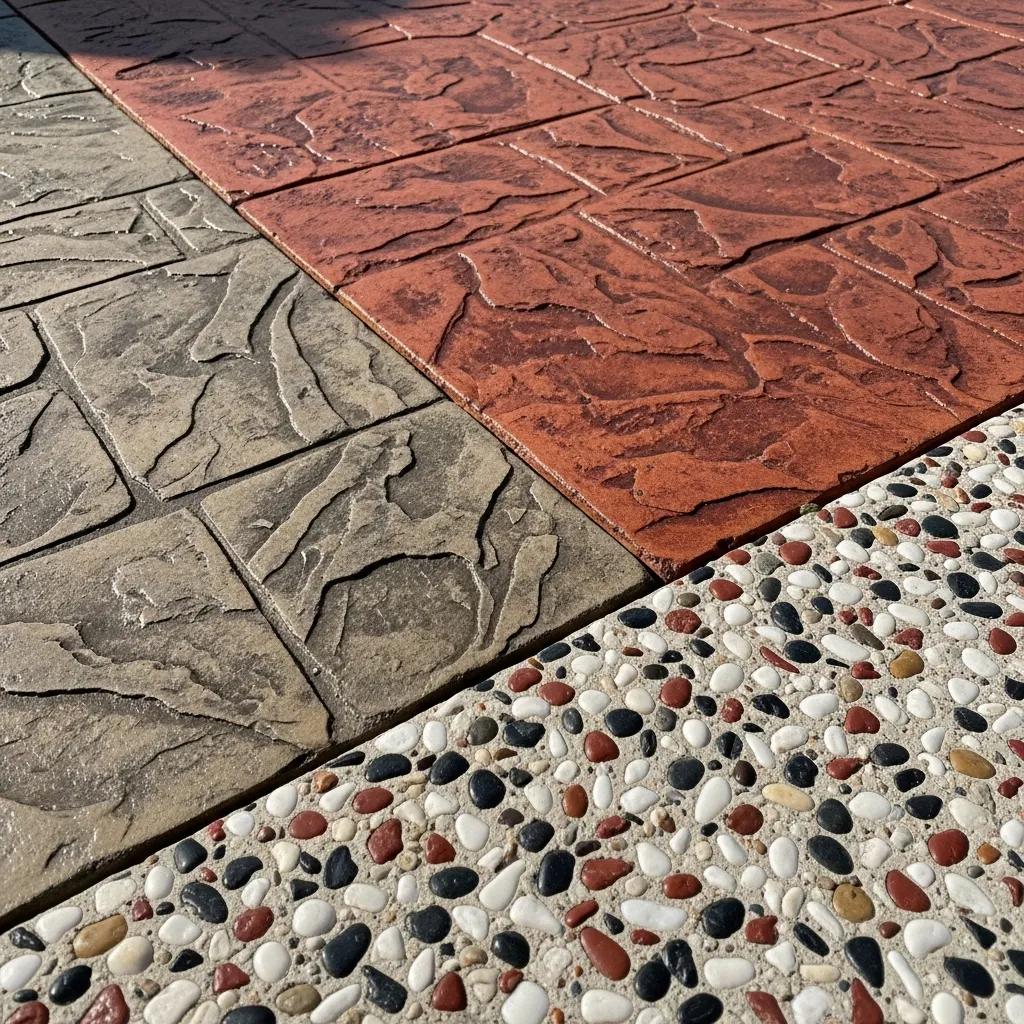
Decorative concrete finishes give homeowners stylistic options that increase visual appeal and often boost resale value when applied appropriately to patios, driveways and pool areas. Popular finishes in Adams Farm include stamped concrete that reproduces natural stone textures, acid and water-based stains that add color without adding layers, and exposed aggregate that reveals durable decorative stones at the surface. Performance differences matter: stamped surfaces offer versatile patterns but require thorough sealing, while exposed aggregate provides traction and abrasion resistance at the cost of slightly more complex finishing. This section includes a decision table to help homeowners compare finishes, followed by subsections on stamped patios and stained/exposed aggregate advantages.
Choosing the right decorative finish depends on use case, maintenance expectations and budget. Consider the following factors:
- Visual style: Select a finish that complements home architecture and landscaping.
- Slip resistance: Prioritize texture and sealer selection for pool decks and high-traffic areas.
- Maintenance: Understand reseal intervals and cleaning needs to maintain color and durability.
This table clarifies how each decorative option balances aesthetics, function and cost impact to inform homeowner decisions. Selecting the right finish requires matching intended use, maintenance tolerance and visual goals.
How Do Stamped Concrete Patios Add Value and Style?
Stamped concrete patios offer the aesthetic advantage of natural stone or paver patterns at a lower installed cost and with a monolithic, low-settlement surface that resists weed intrusion. Patterns and color-hardening techniques allow replication of slate, cobblestone, or wood plank textures while leaving the structural benefits of poured concrete intact; careful sealing preserves color and reduces surface wear. Installation requires precise timing for stamping and consistent curing practices to prevent delamination or surface failure, and homeowners should plan resealing intervals to maintain appearance. Because stamped concrete integrates pattern and structure, it makes a compelling upgrade in Adams Farm backyards where cohesive landscaping and low-maintenance surfaces are desired.
What Are the Advantages of Stained and Exposed Aggregate Concrete?
Stained and exposed aggregate finishes deliver distinct visual and performance benefits depending on homeowner priorities. Acid and water-based stains chemically or physically alter the slab surface to produce translucent, variegated color effects that remain integral to the concrete, with limited buildup to peel; exposed aggregate reveals the stone matrix for texture and durability that resists abrasion. Stained surfaces are suited for patios and interior spaces where color is key, while exposed aggregate excels for pool decks and driveways where traction and toughness are important. Both finishes benefit from periodic sealing to protect color and reduce staining, and homeowners should weigh UV exposure and cleaning routines when selecting either option.
How Can Homeowners Maintain and Repair Residential Concrete in Adams Farm?
Routine maintenance and timely repair extend the service life of concrete assets in Adams Farm by preventing moisture ingress, limiting freeze-thaw damage, and addressing settlement before it becomes structural. A seasonal maintenance checklist helps homeowners take proactive steps: cleaning debris, inspecting joints, resealing surfaces at recommended intervals, and monitoring for new cracks or drainage changes. Repair techniques vary by issue from cosmetic crack patching to slab jacking and full replacement; recognizing whether a crack is hairline or symptomatic of foundation movement determines the correct approach. The EAV table below summarizes common issues, causes and repair approaches to set expectations for time and cost, and the following subsections explain crack repair methods and sealing recommendations.
Preventive maintenance for residential concrete typically includes these tasks:
- Inspect surfaces seasonally for new cracks, spalling or pooling water.
- Clean and remove debris to prevent staining and freeze-thaw damage.
- Reseal surfaces every few years depending on sealer type and exposure.
This table provides a quick troubleshooting guide to help homeowners determine likely fixes and expected timelines before engaging contractors. Addressing moisture and grading problems alongside structural repairs is essential to prevent repeat issues.
What Are Effective Concrete Crack Repair and Leveling Techniques?
Concrete crack repair techniques range from simple surface sealing to invasive structural interventions depending on crack depth and movement. For small, non-structural hairline cracks, cleaning and filling with elastomeric fillers or polymer-modified patching compounds restores appearance and prevents moisture entry. For active or structural cracks, epoxy or polyurethane injection can bond and seal joints while retaining flexibility; slab jacking or mudjacking lifts settled slabs using grout or polyurethane foam to reestablish grade. Homeowners should watch for recurring patterns of cracking or displacement, which indicate larger subgrade or structural issues and warrant professional assessment before cosmetic repairs are applied. Understanding the difference between cosmetic patching and structural remediation guides effective long-term decisions.
Why Is Concrete Sealing Important for Longevity in Greensboro’s Climate?
Sealing concrete acts as a protective meronym layer that limits moisture penetration, chemical ingress and surface abrasion, which is particularly important in Greensboro’s climate with seasonal humidity and occasional freeze-thaw cycles. Penetrating sealers protect against water and salt without significantly altering appearance, while topical sealers add gloss and color protection but may require more frequent maintenance; choice depends on surface use and aesthetic goals. Recommended reseal frequency varies by sealer type and exposure but commonly ranges from every 2–4 years for topical sealers and every 3–7 years for penetrating types; inspection after harsh winters informs reseal timing. Proper sealing reduces staining, limits freeze-thaw damage, and extends the interval before restorative resurfacing is needed.
What Are the Typical Costs and Choosing Criteria for Concrete Contractors in Adams Farm?
Transparent cost guidance helps homeowners set realistic budgets for Adams Farm residential concrete projects by showing baseline per-square-foot ranges and common add-ons. Typical cost drivers include concrete thickness, reinforcement (rebar or mesh), finish type (broom, colored, stamped), site prep (excavation, grading), access and drainage correction. Below is a concise cost comparison table to establish per-sq-ft baselines and common upcharges, followed by a contractor selection checklist that prioritizes license/insurance, references, written warranties and clear estimate practices. These direct answers support quick budgeting and help homeowners identify qualified providers.
How Much Does Residential Concrete Installation Cost in Adams Farm?
Per-square-foot baselines guide initial budgeting but final prices depend on finish, reinforcement and site challenges such as restricted access or grading. Using the table above, a 600 sq ft plain driveway at $8 per sq ft would approximate $4,800 before excavation or drainage work, while a 500–800 sq ft stamped patio at $12–$16 per sq ft could range substantially higher once stamping, color hardeners and sealing are included. Common add-ons include additional excavation, rebar, engineered drainage, and decorative stamping or staining; each can change final cost notably. Requesting itemized estimates that separate material, labor and site-prep charges provides clarity and helps compare bids fairly.
What Should Homeowners Look for When Hiring Concrete Contractors in Greensboro?
- Confirm licensing and adequate insurance before work begins.
- Request local references and photos of similar Adams Farm projects.
- Obtain a written, itemized estimate and timeline with warranty terms.
Why Choose Local Concrete Services in Adams Farm for Your Residential Projects?
Choosing local Adams Farm concrete services delivers practical advantages in responsiveness, knowledge of microclimate effects and familiarity with neighborhood design norms. Local contractors understand common subgrade conditions and drainage patterns, which reduces diagnostic time and improves installation timing around seasonal weather windows. Community-based providers also simplify permit navigation and HOA communication, and they can supply local references and show nearby completed projects for verification. Beyond operational convenience, local sourcing shortens material haul distances and makes warranty follow-up faster, and the next subsections expand on technical benefits and environmental/community advantages.
How Does Local Expertise Benefit Concrete Installation and Repair?
Local expertise shortens mobilization time and reduces risk because contractors familiar with Adams Farm know typical soil conditions, drainage tendencies and seasonal installation windows that affect curing and joint timing. That knowledge leads to correct subgrade compaction, appropriate reinforcement specification and judicious scheduling to avoid pouring before heavy rain, all of which reduce the likelihood of early cracking or settlement. Local crews also streamline permitting and HOA reviews since they can reference recent, nearby projects and proven details. Asking contractors for examples of how they handled local drainage or grading issues gives homeowners confidence in a provider’s practical problem-solving ability.
What Are the Environmental and Community Advantages of Choosing Adams Farm Contractors?
Hiring neighborhood contractors can reduce transport emissions, support local aggregate sourcing, and increase the chance that recycled materials or pervious concrete options are considered for stormwater mitigation. Local suppliers and crews create economic value within the community and improve accountability for warranty service and problem resolution. Additionally, local teams are more likely to be familiar with small-scale pervious concrete solutions and runoff management strategies that align with municipal guidelines. Choosing nearby providers fosters environmental efficiencies and strengthens community ties while delivering technically sound concrete work.
For homeowners seeking local crews for estimates or quick consultations, consider requesting an on-site assessment and written scope that describes grading, reinforcement and finish recommendations. Local contractors can typically provide clearer timelines for seasonal pours and advise on sealer types suited to Greensboro’s climate, offering the practical follow-through needed to keep projects on schedule and performing well.


0 Comments