Greensboro Concrete Driveway Costs in 2025: Complete Guide
A concrete driveway cost includes materials, labor, site preparation, demolition (if replacing an existing surface), reinforcement, finishing, and any local permits or inspections required for the project. Homeowners searching for “concrete driveway price” or “driveway cost Greensboro” should expect a per-square-foot range that reflects simple pours at the low end and reinforced or decorative finishes at the high end. This guide explains how contractors estimate price, breaks down per-square-foot and total costs for common driveway sizes, and compares repair versus replacement decisions so you can get accurate Greensboro driveway quotes. You will learn which factors most affect price, how material and labor line items stack up, what decorative options add to cost, and how concrete compares to alternative materials like asphalt and pavers. The sections that follow present per-square-foot averages, detailed factor lists, material and labor tables, repair/replacement guidance, decorative-cost deltas, and lifecycle comparisons to help you budget and prepare for contractor estimates.
What Is the Average Concrete Driveway Cost Per Square Foot in Greensboro?
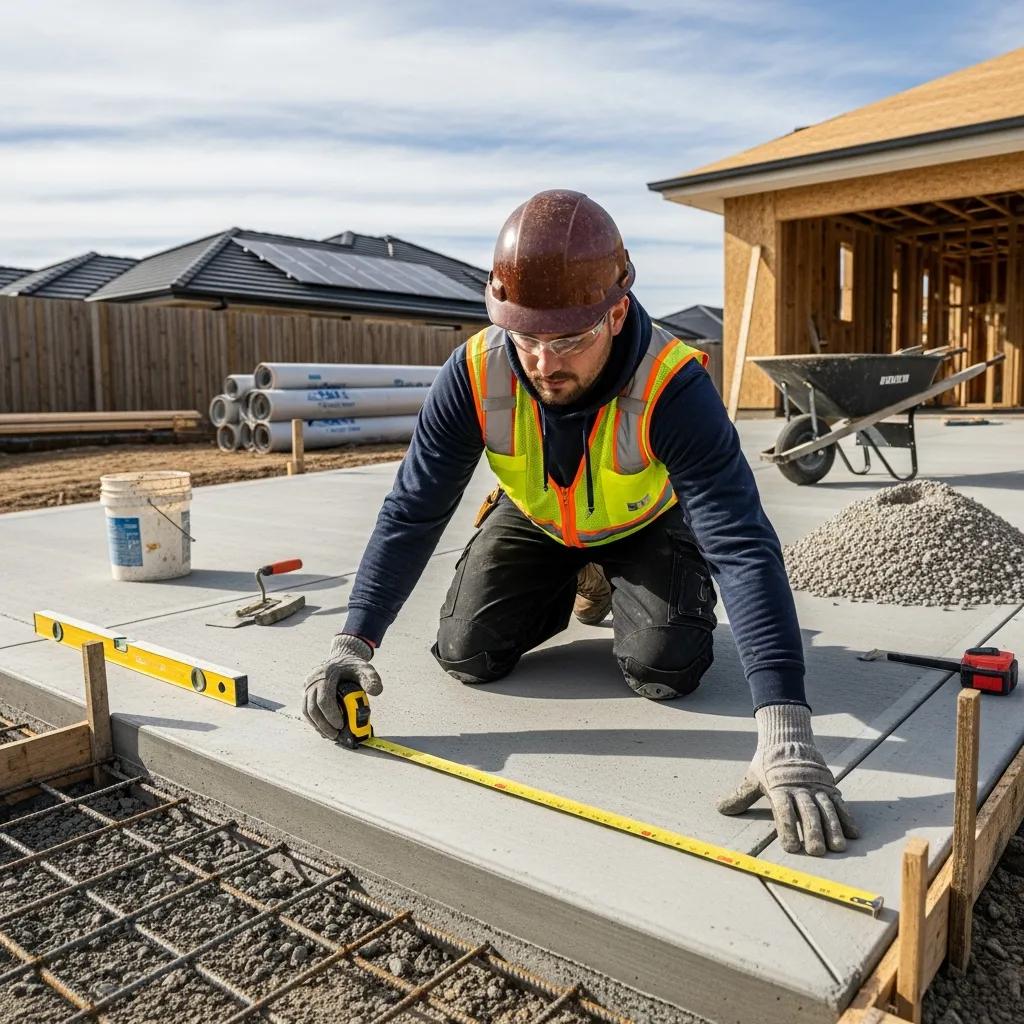
Average concrete driveway cost per square foot in Greensboro varies by finish, thickness, and reinforcement, typically reflecting a low–high range that covers a basic poured slab up to decorative, reinforced installations. This section defines per-square-foot pricing, explains which elements are included in each pricing tier, and provides example calculations for common driveway sizes to help homeowners translate per-square-foot figures into project budgets. The brief table below shows representative ranges for standard concrete types and project examples so readers can identify where their plan might fall within the spectrum. After reviewing the per-square-foot numbers, the next two subsections explain how size and typical dimensions change the total project cost and why economies of scale matter.
This table highlights that plain pours occupy the low end of the concrete driveway price spectrum while reinforcement and decorative work push per-square-foot costs higher. The following subsections show how these rates translate into totals for different driveway sizes, and why per-square-foot rates often decline slightly as area grows.
How Does Size Affect Concrete Driveway Pricing in Greensboro?
Size influences concrete driveway pricing because fixed costs — mobilization, forms, and baseline site setup — are spread across the project area while material and placement costs scale with square footage. For small projects, mobilization and minimum fees can make the per-square-foot price appear higher, whereas larger projects typically benefit from bulk material ordering and more efficient crew utilization that reduce unit cost. A compact 200 sq ft replacement may therefore sit at the upper bound of a per-square-foot range, while a 1,200 sq ft long drive will often realize lower average pricing despite higher total dollars. Understanding the balance between fixed and variable costs helps homeowners evaluate quotes: ask contractors to itemize mobilization, subbase, and finishing so you can see how size-specific factors affect your Greensboro quote.
Economies of scale are particularly visible in quantities of concrete ordered and crew time, and the next subsection converts these observations into typical totals for common driveway dimensions.
What Are Typical Total Costs for Common Driveway Dimensions?
Typical total costs depend on square footage, thickness, reinforcement choices, and site conditions; the following examples illustrate common scenarios and expected price bands for Greensboro. A single-car plain slab (about 200–300 sq ft) often falls near the lower dollar totals but higher per-square-foot rates due to set-up costs, whereas a two-car driveway (about 400–600 sq ft) usually becomes the baseline for average pricing with mid-range reinforcement. Long or extra-wide drives (1,000+ sq ft) can exceed typical per-project budgets but often achieve lower unit costs and better value per year of service. These examples assume standard grading and no extensive demolition.
When reviewing total estimates, homeowners should note that unusual site conditions — steep slopes, poor soils, restricted access, or special drainage needs — are common reasons for cost outliers and may move a job toward the higher range of the examples above.
Which Factors Influence Concrete Driveway Installation Costs in Greensboro?
Several variables drive the final concrete driveway installation costs in Greensboro; each factor alters material, labor, or equipment needs and thereby changes contractor quotes. This section lists the major cost drivers with concise explanations so you can identify which items to prioritize when planning or comparing bids. After enumerating the factors in a clear list, we’ll expand on how mix type, thickness, site prep, and demolition contribute to price and provide actionable guidance for negotiating accurate Greensboro driveway quotes.
- Size and thickness: Larger area or thicker slab increases material quantity and placement time.
- Site preparation and demolition: Excavation, removal of old pavement, and subbase installation add substantial cost.
- Reinforcement and control joints: Rebar or wire mesh and cutting joints increase material and labor.
- Decorative finishes and color: Stamping, coloring, or exposed aggregates add specialized labor and materials.
- Access, drainage, and permits: Limited access or required drainage improvements and permits raise project complexity.
These factors interact; for example, a wide two-car drive on poor soil typically requires thicker subbase and reinforcement, which cascades into higher material and labor costs. The next section examines concrete types and slab thickness specifically because they frequently represent the largest single line-item swing in any quote.
How Do Concrete Types and Thickness Impact Pricing?
Concrete types and slab thickness are primary determinants of material and placement cost because they define the volume of concrete and the need for reinforcement and admixtures. A standard residential slab is commonly 4 inches thick for driveways but may be increased to 6 inches or more where heavy vehicles or poor subgrade demand greater strength; each additional inch of thickness raises the required cubic yards and associated placement labor. Higher PSI mixes (e.g., 3,000 psi vs. 4,000+ psi) and additives like air entrainment or colorants elevate per-yard prices, and reinforced slabs require rebar or wire mesh plus extra labor to set and tie, increasing installed cost. Selecting the correct thickness and mix balances upfront expense with long-term durability.
Because thickness and mix influence both material volume and durability, the following subsection explains the cost ranges for site preparation and demolition that often accompany thicker or reinforced designs.
What Are the Costs of Site Preparation and Demolition?
Site preparation and demolition encompass excavation, removal of existing pavement, grading, subbase (gravel or crushed stone) installation, compaction, and disposal of removed materials; these tasks can represent a large portion of upfront cost when conditions are challenging. Demolition of an existing concrete driveway adds labor, equipment, and disposal fees, while poor soil or the need for engineered subbases increases material and compaction time. Access constraints — such as narrow driveways or limited equipment staging — further escalate site-prep charges because crews must use smaller equipment or manual labor. Estimating these costs in advance helps homeowners understand when a Greensboro driveway quote will deviate from per-square-foot norms.
A precise site evaluation is essential; the next major section breaks down labor and material costs so you can compare contractor estimates line by line.
What Are the Labor and Material Costs for Concrete Driveways in Greensboro?
Labor and material costs together determine most of the installed price for a concrete driveway, and understanding typical unit prices helps homeowners evaluate quotes and avoid surprises. This section introduces how contractors often structure charges (hourly, per-square-foot, or flat project fee), presents a material-price table for common PSI mixes, and explains how crew size and experience affect timelines and labor rates. After the table, we’ll consider how to convert cubic yards to square feet for your planned thickness and why additives or decorative materials change the material budget.
This material table helps translate mix selection into per-yard costs and underscores that decorative mixes and additives add a predictable premium. Labor is the other major component: experienced crews finish faster and produce better joints and surfaces, but their hourly or per-project rates are typically higher; the next subsection details contractor charge structures and what to look for in bids.
How Much Do Local Contractors Charge for Installation?
Local contractors in Greensboro structure charges in several common ways: per-square-foot pricing for straightforward pours, flat project bids that include site prep and cleanup, or itemized quotes that separate demolition, subbase, concrete, finishing, and sealing. Minimum project fees and mobilization charges can make small pours proportionally more expensive, while larger jobs often benefit from lower per-square-foot rates. When comparing bids, request line-item breakdowns for material, labor, equipment, and permit fees, and verify which services (control joints, final grading, site cleanup) are included. Reviewing multiple Greensboro driveway quotes and asking for references or photos of prior work helps distinguish competitive bids from underpriced offers that may cut corners.
Comparing contractor models clarifies pricing, and the following subsection shows how concrete material pricing per cubic yard converts to square-foot quantities for typical slab thicknesses.
What Are Concrete Material Prices per Cubic Yard and PSI?
Concrete prices per cubic yard vary by PSI, additives, and local supply; conversion from cubic yards to square feet depends on slab thickness: for example, a 4-inch slab uses approximately 0.11 cubic yards per square foot. Using the material price table above, homeowners can calculate the material portion of a bid: multiply required cubic yards by the per-yard price and then add reinforcement and finishing labor. Additives such as colorant, integral pigment, or air-entrainment typically increase the mix cost per yard, and decorative aggregate or stamping compounds further raise material and labor costs. Accurately quantifying these line items before signing a contract prevents unexpected upcharges and supports fair comparisons between Greensboro driveway quotes.
With material and labor pricing clear, many homeowners must decide whether to repair or replace an existing drive; the next major section compares repair and replacement costs and offers decision guidance.
How Much Does Concrete Driveway Repair and Replacement Cost in Greensboro?
Repair and replacement costs vary widely depending on damage type, area affected, and subgrade condition; making an informed choice means comparing cost ranges and expected remaining life after repair. This section outlines common repair types with a comparison table, provides a rule-of-thumb for when replacement is more cost-effective, and details typical price bands for crack repair, partial patching, resurfacing, and full replacement projects in Greensboro. After the table, we’ll describe decision thresholds that homeowners can use when evaluating contractor recommendations.
This comparison clarifies that minor crack repairs are inexpensive but offer limited lifespan extension, while overlays and full replacements provide longer-term solutions at higher cost. The next subsections explain when repair makes sense and outline typical resurfacing ranges.
When Is Repair More Cost-Effective Than Replacement?
Repair tends to be more cost-effective when damage is localized, the majority of the slab is structurally sound, and subgrade issues are absent. Hairline cracks, surface scaling, or small spalls are often remedied with crack stitching, sealing, or localized patching at a fraction of replacement cost, returning several years of service when underlying causes are addressed. Conversely, widespread cracking, significant settlement, or failed joints typically indicate subgrade failure, for which replacement is the prudent long-term investment despite higher initial cost. A rule of thumb: if more than 25–30% of the slab area exhibits structural failure or differential settlement, replacement usually becomes more economical over a 10–15 year horizon.
Assessing the subgrade and moisture/drainage issues before repairing prevents recurring damage and supports the decision to repair or replace with confidence.
What Are Typical Repair and Resurfacing Price Ranges?
Typical repair and resurfacing price ranges depend on scope, access, and the need to correct underlying causes; the following bands help homeowners set realistic budgets for common Greensboro projects. Crack filling and sealing represent the low-cost end and are appropriate for hairline cracks and preventive maintenance, while partial patching addresses localized spalling or edge damage at moderate cost. Resurfacing or bonded overlays cover the slab with a new wearing surface and can revitalize appearance for a mid-range investment, though they require a sound base to be effective. Full replacement is the highest-cost option but addresses root causes and provides the longest service life.
When evaluating bids, confirm whether resurfacing warranties or expected life-extension estimates are provided, and require that contractors address drainage or subgrade issues as part of the repair scope to avoid repeat work.
How Do Decorative Concrete Options Affect Driveway Costs in Greensboro?
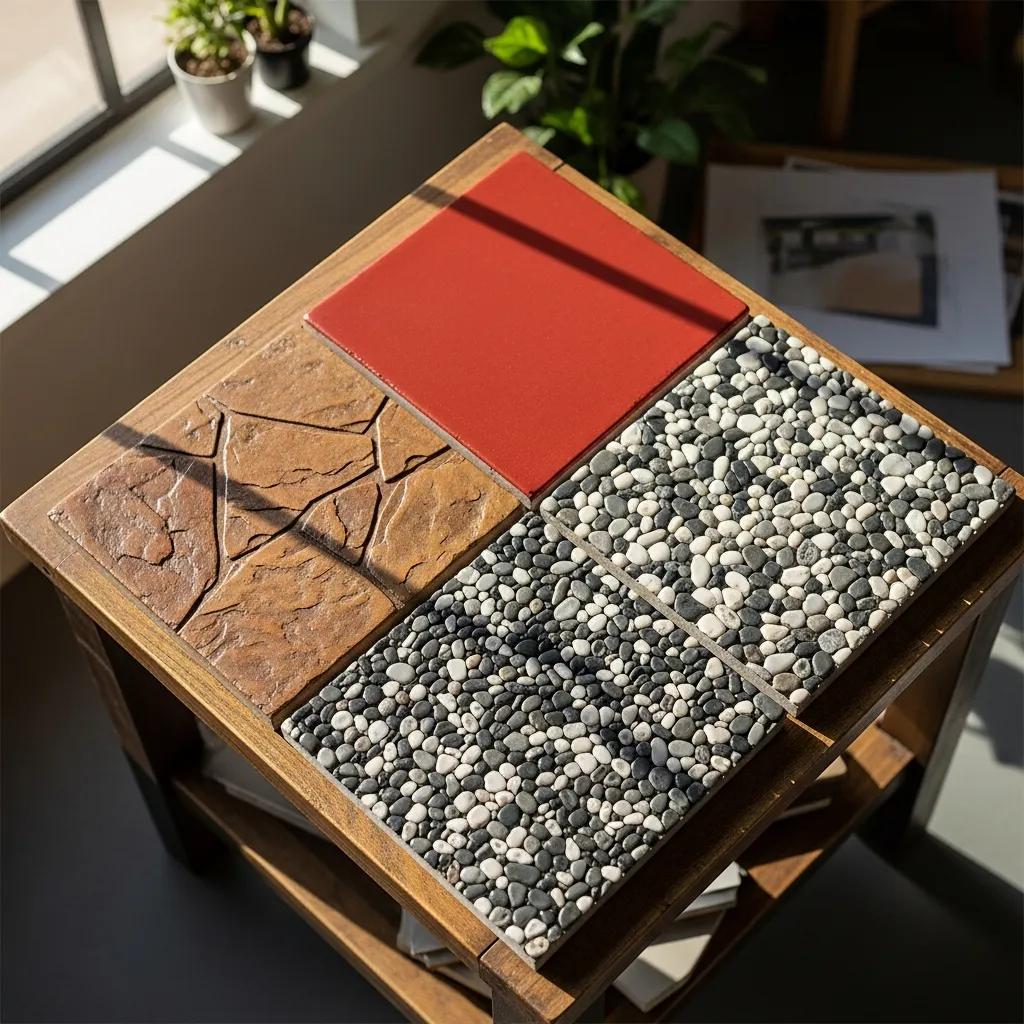
Decorative concrete significantly increases both material and labor costs due to additional steps such as color integration, stamping, stamping release agents, exposed aggregate polishing, or specialty sealants; however, these finishes also enhance curb appeal and may improve resale perception. This section quantifies typical decorative premiums, compares stamped, colored, and exposed aggregate options, and discusses whether the aesthetic investment is worthwhile in the Greensboro market. After the cost-delta table and discussion of durability trade-offs, readers will have a clearer sense of when decorative upgrades are recommended.
- Stamped concrete: creates patterns and textures that mimic pavers or stone but requires stamping tools and skilled timing.
- Colored concrete: integrates pigment into the mix or uses staining/acid dyes after curing for long-lasting color.
- Exposed aggregate: reveals stone or decorative aggregate on the surface for texture and slip resistance at higher labor cost.
Decorative options increase upfront cost but can be justified by aesthetic goals and potential resale benefits; the next subsection quantifies typical price differences per square foot.
What Is the Price Difference for Stamped, Colored, and Exposed Aggregate Concrete?
Stamped, colored, and exposed aggregate finishes typically carry add-on costs compared with plain concrete, driven by specialized labor, tooling, and materials. Stamped concrete commonly adds $3–$7 per sq ft over a plain pour due to pattern mats, release agents, and careful timing for stamping and curing. Integral color or post-applied staining raises material costs by $1–$3 per sq ft depending on pigment type and application complexity. Exposed aggregate requires additional washing, scrubbing, and sometimes chemical retarders and can add $2–$5 per sq ft compared with a standard finish. These deltas vary with slab complexity, pattern intricacy, and required sealing or maintenance products.
Are Decorative Finishes Worth the Investment in Greensboro?
Decorative finishes are worth the investment when increased curb appeal aligns with homeowner priorities or when resale markets in Greensboro value enhanced exterior aesthetics; they can also reduce perceived maintenance compared with stained or cracked plain surfaces. While decorative concrete increases upfront cost, it may improve buyer perception and justify a higher listing price in neighborhoods where homes have upgraded hardscapes. For budget-conscious homeowners, selective decorative elements — such as a stamped border or colored banding — deliver visual impact at lower incremental cost than full-slab decorative treatments. Ultimately, aligning finish choice with property value, neighborhood expectations, and maintenance willingness determines whether decorative options produce positive return on investment.
Choosing the right finish involves balancing aesthetic goals against maintenance needs and expected lifespan of the surface.
How Does a Concrete Driveway Compare Cost-Wise to Asphalt and Pavers in Greensboro?
Concrete compares favorably to asphalt and pavers when considering durability and long-term value, but initial cost and maintenance profiles differ and should be weighed against budget and desired lifespan. This section presents a side-by-side cost-per-square-foot comparison, lists maintenance requirements and typical lifespans, and offers a simple lifecycle cost example to help homeowners assess total cost of ownership over 10–20 years. After the comparison, the final subsection explains how maintenance frequency and longevity influence annualized cost and overall value.
- Concrete: higher initial cost, low-to-moderate maintenance, long lifespan when installed with proper subbase.
- Asphalt: lower upfront cost, higher maintenance frequency (sealcoating, patching), shorter typical lifespan.
- Pavers: variable initial cost (often higher than concrete), excellent repairability (individual pavers replaced), and strong aesthetic options.
These material characteristics drive total cost of ownership and guide material choice based on budget, appearance, and maintenance tolerance. The next subsection provides numerical cost differences and situational guidance.
What Are the Cost Differences Among Common Driveway Materials?
Upfront cost differences among common driveway materials reflect material expense and installation complexity; concrete generally sits between asphalt and high-end paver installations for initial spend. Typical per-square-foot ranges often look like: asphalt on the low end, concrete in the middle, and interlocking pavers or permeable paving at the high end due to labor-intensive installation and base preparation. Installation complexity, specialized labor, and drainage/permeability requirements shift these ranges: permeable pavers or engineered systems command premiums, while basic asphalt surfacing remains the most economical initial choice. Selecting the most cost-effective material depends on desired lifespan, maintenance willingness, and neighborhood aesthetics.
How Do Maintenance and Longevity Affect Overall Value?
Maintenance frequency and expected lifespan determine the long-term value of a driveway material by spreading initial investment and recurring upkeep over a meaningful period; concrete tends to offer lower annualized cost than asphalt when properly installed, despite higher initial outlay. For example, asphalt requires periodic sealcoating every few years and more frequent patching, while concrete generally needs joint maintenance and occasional sealing but less intensive interventions. Pavers may have higher initial costs but allow localized repairs and can outlast asphalt with proper drainage and base. Calculating total cost of ownership involves estimating initial cost plus maintenance expenses over 10–20 years and dividing by years of service to derive an annualized figure that informs a rational material choice.
For homeowners obtaining Greensboro driveway quotes, comparing annualized cost alongside aesthetic and functional preferences yields the most defensible decision.
Greensboro Concrete Driveway Costs in 2025: Complete Guide
A final note for homeowners: local concrete driveway installation, replacement, and repair services in Greensboro, NC provide the full range of options described here, from basic slabs to decorative stamped finishes and full replacements. When seeking a Greensboro driveway quote, request itemized bids that separate mobilization, site prep, material, reinforcement, finishing, and cleanup so you can compare like-for-like and verify the contractor addresses subgrade and drainage issues. Use the per-square-foot ranges, material tables, and repair vs. replacement thresholds in this guide as benchmarks during contractor discussions to ensure accurate budgeting and durable outcomes.

0 Comments