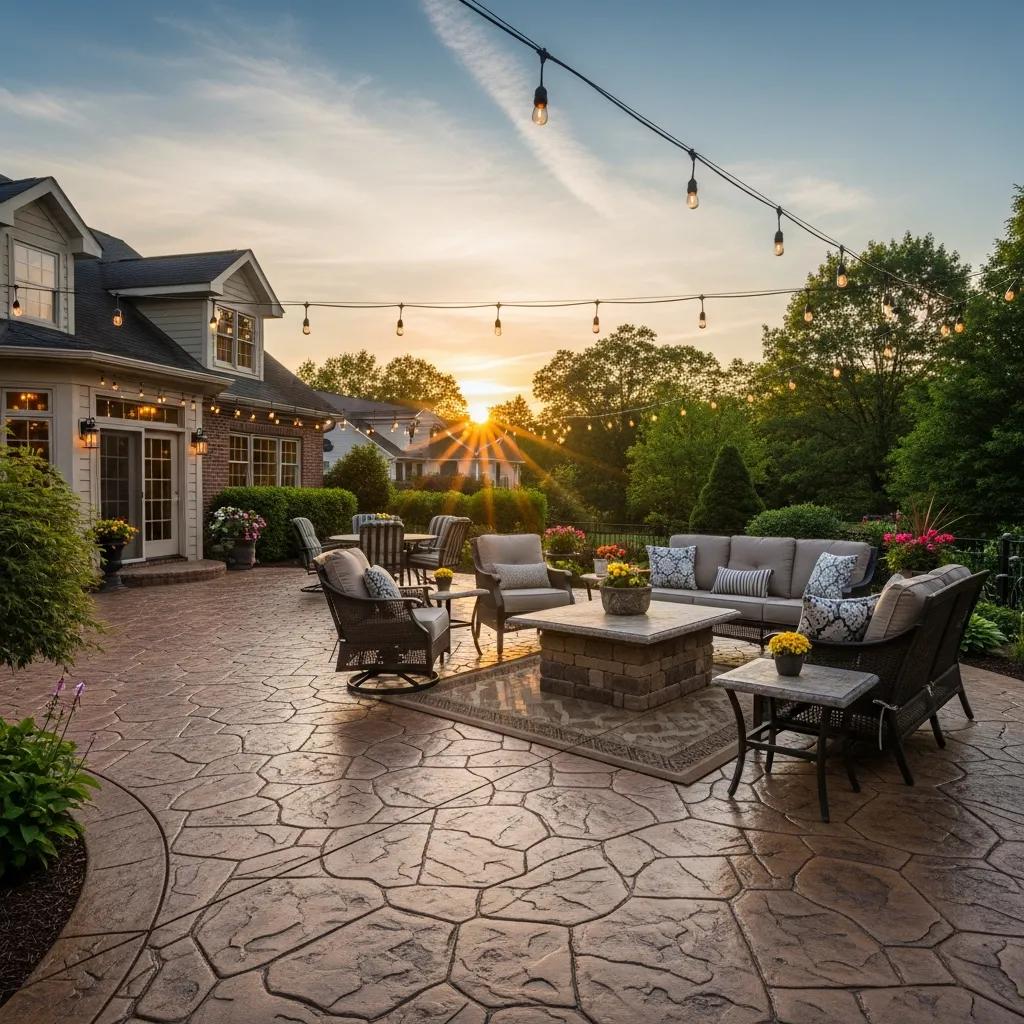
Decorative Concrete in Greensboro, NC: Enhance Your Property with Stamped, Stained, and Polished Solutions
Decorative concrete transforms ordinary surfaces into durable, attractive elements that boost curb appeal and long-term value for Greensboro properties. This article explains what decorative concrete is, why it suits Greensboro’s climate and architecture, and how homeowners and business owners can choose the right finishes—stamped, stained, polished, and epoxy—for patios, driveways, pool decks, and interior floors. Readers will learn the primary benefits, common local options, contractor selection criteria, installation timelines, maintenance needs, and cost drivers so they can plan a project with confidence. The guide uses local context and practical comparisons to show how decorative concrete balances aesthetics and performance, and it outlines realistic timelines and upkeep required to protect your investment. Below you’ll find clear sections on benefits, popular options, contractor vetting, installation steps and schedules, and cost considerations specific to Greensboro properties.
Decorative Concrete in Greensboro: Stamped, Stained & Polished
Decorative concrete offers four broad advantages: enhanced aesthetics, durable performance, design flexibility, and long-term value. Decorative concrete improves curb appeal by mimicking premium materials while retaining concrete’s strength, it withstands weather cycles common in Greensboro, and it reduces long-term maintenance compared with many surfacing replacements. The combination of pigment, texture, and protective sealers provides both visual character and functional protection, which is especially important where freeze-thaw cycles and UV exposure can accelerate wear. These benefits make decorative concrete a practical choice for homeowners seeking attractive, low-maintenance surfaces that integrate with local architectural styles.
Decorative concrete in Greensboro delivers these practical benefits:
- Improved Curb Appeal: Custom patterns and colors mimic stone and brick for an instant aesthetic upgrade.
- Durability and Low Maintenance: Properly finished concrete resists cracking and requires less frequent replacement.
- Design Flexibility: Stamping, staining, polishing, and overlays allow tailored textures, colors, and finishes.
- Cost-Effective Longevity: Upfront investment often pays off through reduced repair and replacement costs over time.
These benefits show why property owners choose decorative surfaces; understanding the specific techniques leads naturally into how stamped and stained treatments produce those results.
How Does Stamped Concrete Improve Curb Appeal?
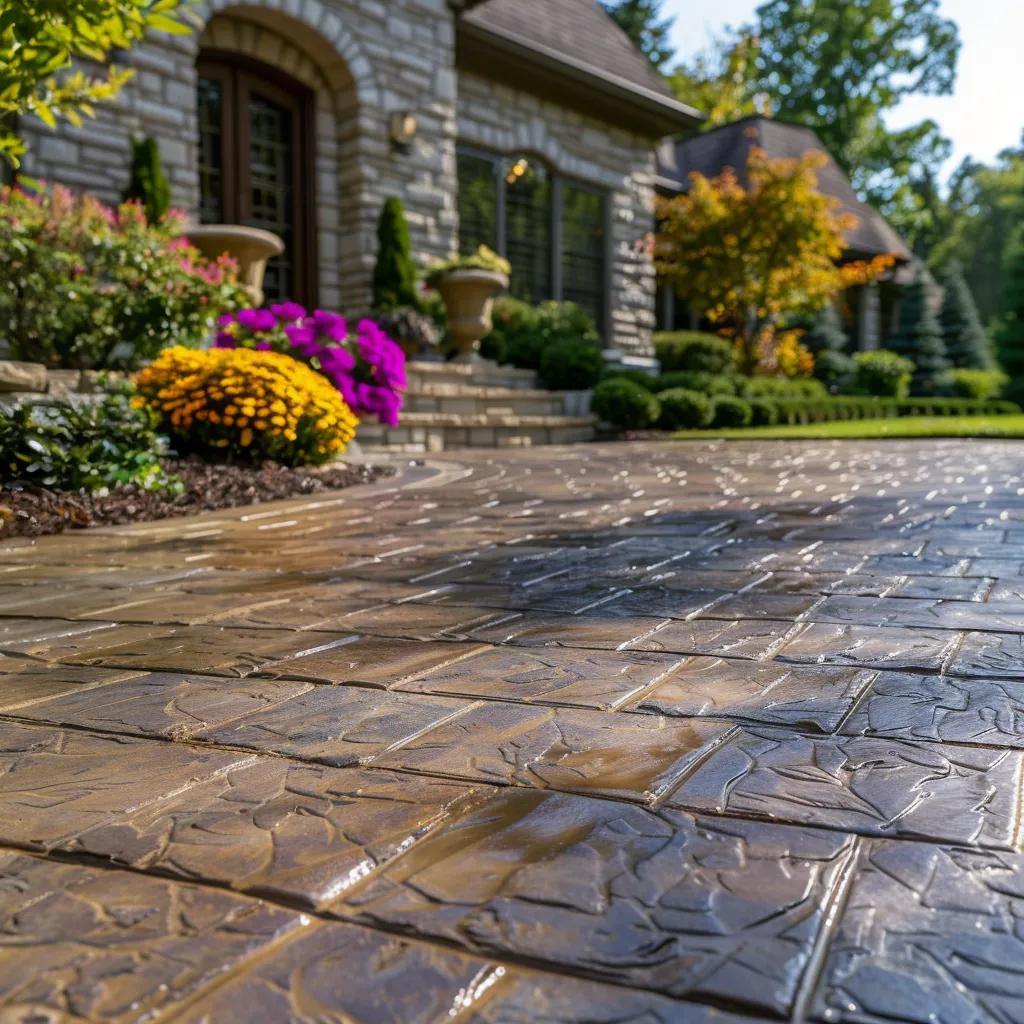
Stamped concrete reproduces the look of natural stone, brick, or tile by pressing textured molds into fresh concrete and applying color systems that create depth and realism. The process combines pattern templates with release agents and color hardeners so surfaces can have variegated tones that mimic quarried materials without their installation complexity. For Greensboro homes, popular stamped patterns often echo traditional Southern stone and brickwork, creating cohesive front entrances, patios, and walkways that match neighborhood character. The visual realism of stamping enhances perceived property value while retaining a continuous concrete substrate that resists shifting and settling better than segmented pavers.
Stamped design decisions focus on pattern scale and color pairing to achieve authenticity. Choosing a subtle color blend and a texture that complements house trim produces a natural look, while integrated border patterns and saw-cut control joints help manage cracking. These practical design choices bridge curb appeal goals with installation realities, leading into how stained concrete offers a complementary aesthetic option for both interiors and exteriors.
Why Choose Stained Concrete for Durable and Attractive Surfaces?
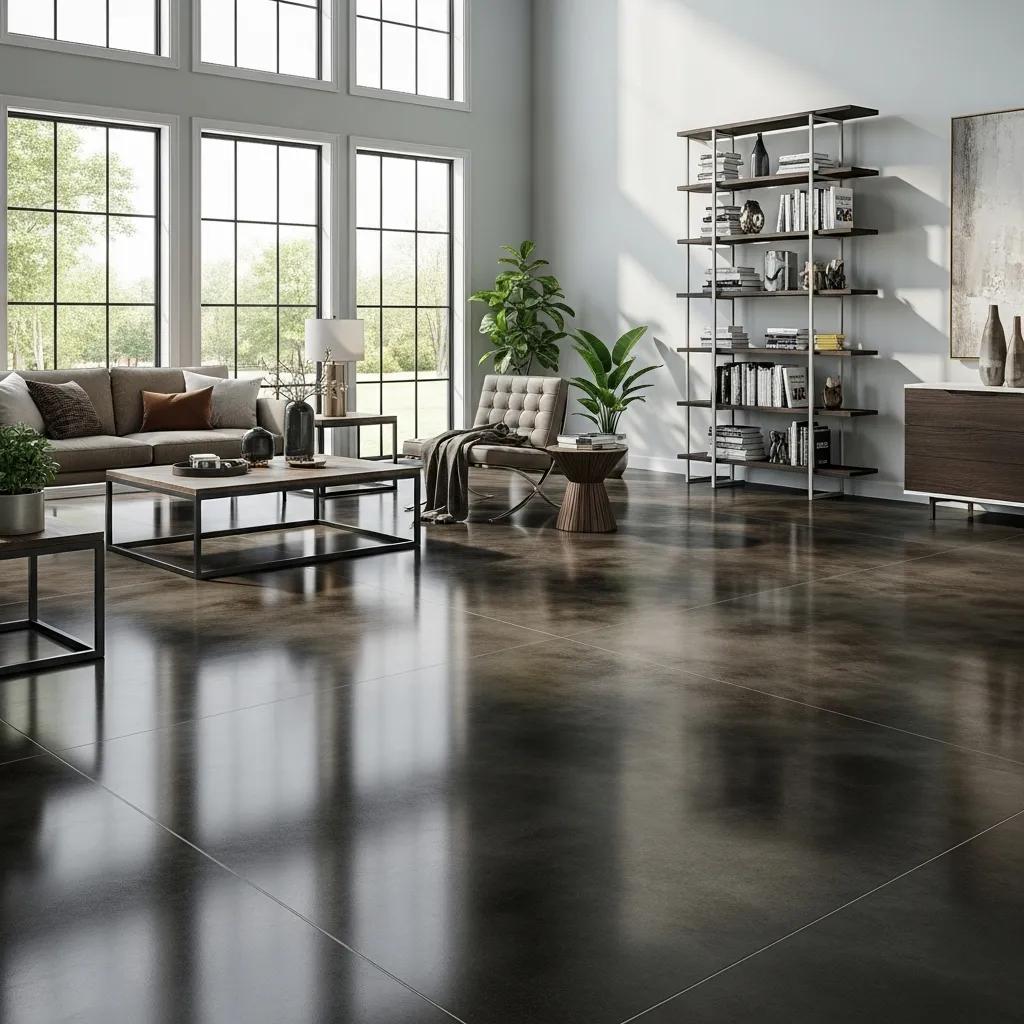
Stained concrete uses chemical or water-based colorants to penetrate the slab and create translucent, marbled color effects that enhance both floors and outdoor areas. Acid-based stains react chemically with concrete to create variegated, permanent tones, while water-based stains provide a broader palette and more controllable color saturation; both types require sealing to protect color and improve longevity. For Greensboro’s climate, choosing stains with UV-stable sealers preserves color outdoors and reduces fading, while interior stained floors benefit from stain penetration that resists scuffs and requires only routine cleaning. The result is an attractive, low-profile finish that pairs well with polished concrete or as a base for overlays, offering durable aesthetics for high-traffic spaces.
Selecting between acid and water-based stains depends on color goals and maintenance expectations. Acid stains offer natural mineralized effects and excellent longevity, while water-based stains allow precise hues and are often preferred where specific branding or design palettes are needed. Understanding these distinctions helps homeowners match finish type to location and usage, which prepares readers to compare other decorative concrete options used locally.
Which Decorative Concrete Options Are Popular in Greensboro?
Greensboro property owners commonly choose stamped concrete, stained concrete, polished concrete floors, and epoxy coatings for interior and exterior applications. Each option balances appearance and performance differently: stamped surfaces deliver pattern and texture for outdoor living areas, stains create translucent coloring for floors and patios, polished concretes offer a high-gloss, low-maintenance interior finish, and epoxy coatings provide robust chemical resistance for garages and commercial spaces. Factoring local climate, intended use, and maintenance expectations helps select the most appropriate finish for patios, driveways, pool decks, and lobbies.
Compare the popular options before deciding:
This comparison clarifies how each finish maps to aesthetic and functional needs; the next two subsections explore stamped applications and interior epoxy/polished choices in greater detail.
What Is Stamped Concrete and How Is It Used Locally?
Stamped concrete is created by imprinting flexible texture mats into freshly placed concrete and then applying color systems to produce realistic patterns and shading. Locally, homeowners use stamped concrete for driveways, front-entry walkways, pool surrounds, and patio areas where a coordinated, high-end appearance enhances street-facing aesthetics. The technique is adaptable to large expanses and subtle border accents, and it performs well when installed with proper slab reinforcement, expansion joints, and surface sealers to manage local freeze-thaw cycles. Design tips include using multiple color tones and complementary borders to avoid a “stamped” uniformity and to ensure the finished surface reads as natural material from the street.
Choosing patterns that reflect traditional Greensboro styles—such as fieldstone or slate looks—helps maintain neighborhood harmony. Proper sealing and maintenance preserve both texture and color, which leads into choosing complementary interior solutions like epoxy and polished concrete.
How Do Epoxy Floors and Polished Concrete Enhance Interior Spaces?
Epoxy floor coatings and polished concrete offer two distinct interior strategies: epoxy systems create a durable, easy-to-clean surface with color or flake finishes, while polished concrete refines the existing slab into a smooth, reflective finish through grinding and densifying. Epoxy floors are ideal for garages, workshops, and commercial spaces where chemical resistance and impact tolerance matter, and polished concrete suits lobbies, showrooms, and residential basements seeking a contemporary, low-maintenance aesthetic. Both systems reduce dusting and are compatible with stain resistance and integrated floor patterns, but polishing keeps the concrete substrate visible whereas epoxy overlays it.
Selecting between epoxy and polished concrete depends on performance needs and design priorities. Epoxy provides surface protection and color options, while polished concrete emphasizes natural aggregate and high-gloss reflectivity—understanding these differences guides effective interior specification.
How to Select the Right Decorative Concrete Contractor in Greensboro?
Selecting the right contractor requires evaluating credentials, experience with local conditions, documented portfolios, and clear contract terms that specify scope, materials, and warranties. A careful vetting process reduces risk by ensuring contractors understand local permitting, climate-related installation adjustments, and appropriate sealer choices. Requesting multiple written proposals and checking references helps compare workmanship and post-installation support, while confirming that timelines, control joint plans, and surface preparation methods are explicit prevents surprises. These selection steps protect the investment and ensure outcomes align with design expectations.
Use this checklist when vetting contractors:
- License and Insurance Verified: Confirm the contractor holds required licenses and carries liability insurance.
- Portfolio with Local Examples: Review recent photos and contactable local references for similar projects.
- Detailed Written Quote: Ensure the quote lists prep, materials, sealers, labor, and projected timeline.
- Warranty and Post-Install Support: Ask about workmanship warranties and recommended maintenance schedules.
Following this checklist simplifies comparisons and directs attention to meaningful differences in proposals, which leads naturally into what specific credentials and experience are most actionable when evaluating bids.
What Credentials and Experience Should You Look For?
Look for contractors who demonstrate relevant trade credentials, documented project portfolios that include similar stamped or stained installations, and familiarity with local environmental effects on concrete finishes. Experience with proper substrate preparation, control joint placement, and correct sealer application indicates an installer who understands long-term performance. Red flags include ambiguous timelines, vague material specifications, or reluctance to provide references; positive signs include detailed method statements and before-and-after documentation of local projects. Confirming these indicators reduces the likelihood of premature failure and ensures the finish will meet both durability and aesthetic goals.
Understanding how to read portfolios and method statements helps homeowners ask focused questions. That leads into practical methods for comparing written quotes beyond price alone.
How to Compare Quotes and Services Effectively?
Comparing quotes effectively means evaluating scope, material specifications, surface preparation, sealer type, control joint plans, and warranty terms rather than focusing only on the bottom-line price. A comprehensive quote should break out demolition or site prep, reinforcement needs, pattern or stain materials, and the sealer system with brand or performance characteristics. Ask contractors about expected cure times, sequencing of stamping or staining, and any allowances for weather delays; these operational details influence final cost and timeline. Comparing these components side-by-side reveals differences in quality and risk that raw price cannot show.
A short review checklist simplifies comparison conversations with bidders. Evaluating these items uncovers the project’s real value and clarifies next steps for scheduling and permitting.
What Is the Installation Process for Decorative Concrete in Greensboro?
Installation follows predictable phases: site preparation, forming and reinforcement, placement and finishing (including stamping or staining), curing, sealing, and final quality checks. Proper substrate evaluation and site prep remove contaminants and correct slope or drainage issues that can compromise performance.
During finishing, techniques differ by method—stamping requires timely mat placement and release agents; staining requires controlled application and neutralization; polishing uses progressive grinding and densification. Awareness of these phases and their typical durations helps homeowners schedule work around weather and usage needs.
Below is a concise timeline showing common steps and expected durations for small-to-medium projects:
Understanding these timeframes allows realistic scheduling and sets expectations for when surfaces become usable.
The next subsections provide more precise timing for common stamped and stained installations and basic maintenance recommendations.
How Long Does Stamped and Stained Concrete Installation Take?
A typical stamped or stained concrete installation for a residential patio or driveway begins with site prep and forms that occupy a few hours to a full day, followed by concrete placement and immediate finishing that usually completes within a single workday. Stamping must occur while the concrete is plastic, and staining, if applied to new concrete, may require a few days of curing before color application; sealing generally follows after the sealer manufacturer’s recommended cure window, often 24–72 hours to allow safe light foot traffic and up to 7–28 days for full strength. Project duration depends on area size, weather conditions, and complexity of patterns; seasonal humidity and temperature in Greensboro can extend cure times, so scheduling with local experience is essential.
Planning around realistic cure times ensures you avoid premature loading that could cause marks or sealant issues. That practical timing knowledge leads directly into the routine maintenance needed to preserve decorative finishes.
What Maintenance Is Required to Keep Decorative Concrete Looking New?
Maintenance centers on regular cleaning, periodic resealing, and timely repair of surface damage such as hairline cracks or sealer wear spots. Routine sweeping and occasional pressure washing remove debris and grit that abrade sealers, while resealing intervals typically range from every 1–3 years depending on traffic and UV exposure; interior polished floors may require only occasional burnishing rather than resealing. Address stains promptly with manufacturer-recommended cleaners and fill small cracks with compatible patch materials to prevent moisture ingress that can worsen freeze-thaw damage. A straightforward seasonal maintenance routine preserves appearance and prevents minor issues from escalating into costly repairs.
Following a simple schedule—clean quarterly, inspect annually, reseal as needed—keeps surfaces performing well. Proper maintenance planning also informs realistic budgeting for long-term ownership, which we cover in the cost section below.
How Much Does Decorative Concrete Cost in Greensboro, NC?
Decorative concrete cost varies by finish type, area size, site conditions, pattern complexity, and sealer selection; typical ranges provide useful planning benchmarks for homeowners budgeting projects. Stamped concrete usually costs more than a straightforward stained slab due to the labor and pattern materials, while polishing and epoxy coatings each have different material intensities that affect price. Additional factors such as site prep, demolition of old surfaces, reinforcement requirements, and access constraints can increase costs. Understanding these drivers helps create an accurate budget and compare contractor proposals based on value rather than price alone.
Knowing these ranges helps anticipate where budgets are consumed and which choices—simpler stain vs. complex stamping—deliver the best return depending on goals. The final two subsections expand on what specifically influences price and financing/warranty considerations.
What Factors Influence the Price of Stamped and Stained Concrete?
Material selection, surface preparation, slab condition, pattern or color complexity, and site accessibility directly affect price; stamps, color hardeners, and multiple seal coats increase material and labor hours. Large, uninterrupted pours are often more economical per square foot than small, intricate areas with many control joints or embedded borders. Substrate remediation—removing old concrete, correcting slopes, or addressing drainage—adds cost but prevents future failures. These factors show why a detailed scope and transparent quote are essential for accurate budgeting and avoiding unexpected expenses.
Evaluating each factor against your project goals clarifies trade-offs between upfront expense and long-term performance. With cost drivers understood, ask contractors about warranty types and financing pathways to complete the decision-making process.
Are There Financing or Warranty Options Available?
Many contractors and lenders offer financing and varying warranty options, and homeowners should request written warranty terms covering workmanship and material performance before committing. Warranties commonly specify coverage length and what is included—typically workmanship and installation defects—while excluding normal wear or damage from neglect; ask for specifics in writing to avoid misunderstandings. Financing options may include contractor payment plans or home improvement loans provided through third-party lenders, so comparing interest, term length, and monthly impact is important. Clarifying warranty coverage and financing terms upfront supports informed decisions and helps align project cash flow with long-term ownership benefits.



0 Comments