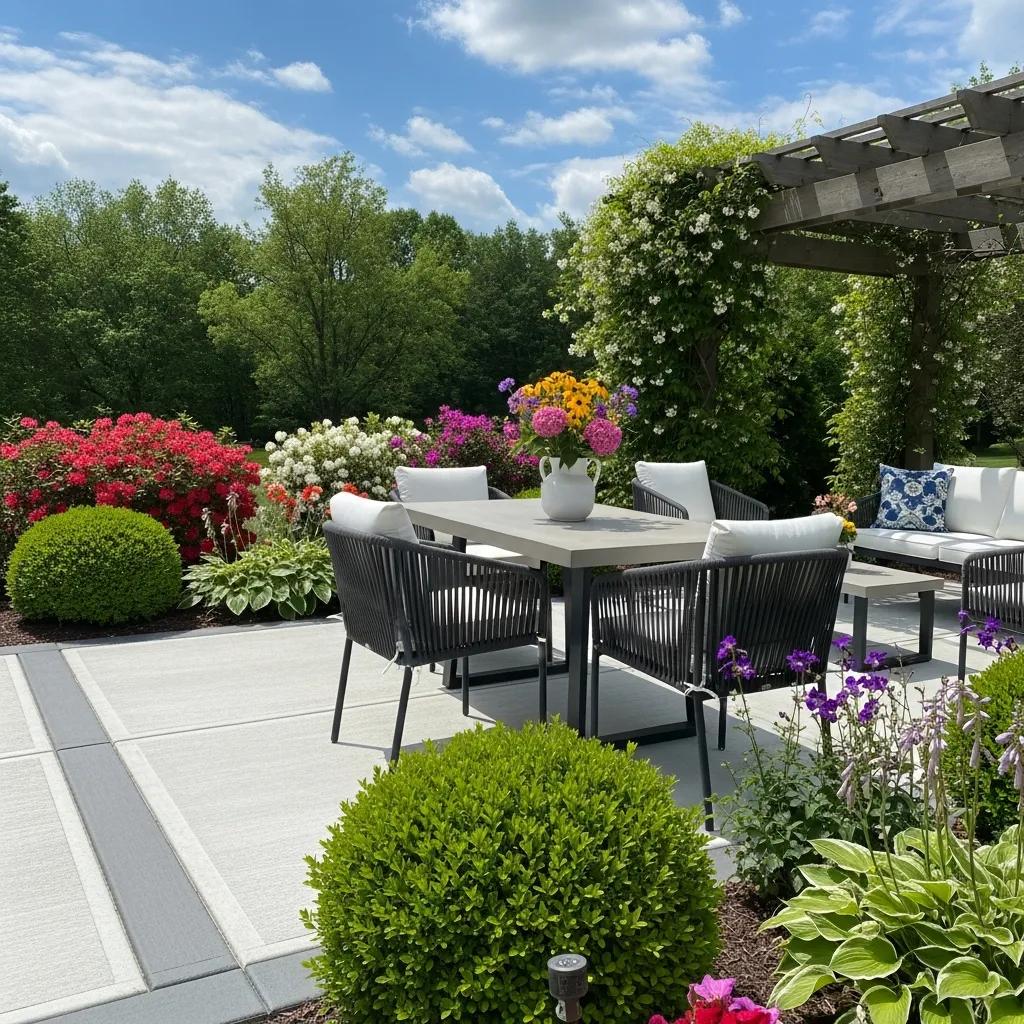
Concrete Resurfacing in Greensboro, NC: Renew Old Surfaces with Expert Repair and Overlay Solutions
Concrete resurfacing is a surface renovation technique that applies a new, bonded layer over existing concrete to renew its appearance, improve performance, and avoid full replacement. Homeowners and property managers in Greensboro, NC can use concrete overlay and repair strategies to transform weathered patios, driveways, walkways, and commercial slabs with lower cost and faster timelines than teardown-and-pour replacement. This guide explains what concrete resurfacing is, how overlays and repairs differ, common techniques (including stamped concrete, microtoppings, and epoxy coatings), realistic local cost expectations, and how to choose and evaluate contractors. You’ll also find step-by-step budgeting advice, comparison tables for popular resurfacing options, and a practical maintenance schedule to extend the life of renewed surfaces. Keywords like Greensboro concrete resurfacing, concrete overlay Greensboro, patio resurfacing Greensboro, and driveway resurfacing Greensboro are woven into the guidance to make it easy to find services and ask the right questions when requesting local estimates. Next we’ll define resurfacing precisely and show the process stages that turn an aged slab into an attractive, durable surface.
What Is Concrete Resurfacing and How Does It Renew Old Surfaces?
Concrete resurfacing is the process of preparing an existing slab and applying a thin, polymer-modified overlay that bonds to the base concrete to restore appearance and function. The mechanism relies on mechanical preparation (grinding or shot-blasting) to expose a clean substrate, a bonding primer to promote adhesion, and an overlay layer that levels, textures, and seals the surface, producing a renewed finish without full demolition. Resurfacing provides benefits including cost savings, faster project timelines, and the ability to add decorative finishes like color and texture, making it an ideal surface renovation for many Greensboro patios and driveways. This section outlines the typical resurfacing steps and clarifies when resurfacing is recommended versus when full replacement is necessary, leading into the distinctions between repair and resurfacing approaches.
How Does Concrete Resurfacing Differ from Concrete Repair?
Concrete repair targets localized defects — cracks, spalls, or delamination — using patching compounds and targeted reinforcement, whereas resurfacing renovates the entire visible surface with an overlay for uniform appearance and performance. Repair is a meronym of restoration work, addressing specific parts (patch areas, joints) to restore structural integrity; resurfacing is a hypernym activity under concrete restoration that changes the whole surface for cosmetic and protective purposes. Example scenarios help decide the approach: a few hairline cracks and minor spalling often need repair first, while widespread surface scaling, discoloration, or thin surface erosion favors a full overlay. Choosing between repair and resurfacing depends on substrate stability, extent of damage, and long-term goals, and this comparison prepares you to evaluate contractor recommendations in the next section.
What Are the Advantages of Concrete Overlay in Greensboro?
Concrete overlays deliver several practical advantages for Greensboro homeowners, from immediate curb appeal upgrades to weather-resilient performance in local seasonal cycles. Overlays are cost-effective compared with full replacement because they reuse the existing base concrete, reduce waste, and cut labor time; they also allow aesthetic customization with colors, stamped textures, and aggregate finishes that suit local architectural styles. Overlays improve slip resistance and can include additives for freeze-thaw durability relevant to the Piedmont climate, and they typically allow quicker re-opening of driveways and patios than full pours. These benefits make overlays a compelling surface renewal option, and understanding them leads directly into cost considerations and how materials and preparation affect price.
How Much Does Concrete Overlay Cost in Greensboro, NC?
Concrete overlay cost in Greensboro varies by project size, surface condition, material choice, and decorative complexity; typical ranges for common residential projects provide a practical starting point for budgeting. A straightforward acrylic overlay for a small patio often falls at the lower end of the range, medium driveway overlays with stamping or color are mid-range, and large commercial overlays with specialized coatings or heavy prep fall at the high end. Main cost drivers include surface preparation (repair vs. simple prep), overlay material and thickness, decorative stamping or color, labor access and site logistics, and sealing.
Intro to table: The following table summarizes typical project types, main cost drivers, and expected price bands to help homeowners categorize small, medium, and large overlay jobs.
This comparison clarifies how project scale and complexity influence budgets and suggests next steps: measure area accurately, inspect substrate condition, and collect local estimates that reflect decorative choices and prep needs.
What Factors Influence Concrete Overlay Greensboro NC Cost?
Several variables shift concrete overlay cost significantly, and understanding them helps homeowners control expense without sacrificing longevity or aesthetics. Surface condition is primary: slabs needing crack stitching, mud-jacking, or structural repairs raise labor and materials costs, while sound concrete requires less prep. Material selection matters too — basic acrylic overlays are more affordable, while polymer-modified cement or epoxy microtoppings add durability and price. Decorative finishes such as stamping, integral color, or specialty sealers add both material and labor costs, and site access, slope, and weather windows affect scheduling and labor rates. To reduce cost while maintaining quality, prioritize proper prep, choose durable sealer options, and avoid overly thin overlays that compromise performance.
Cost drivers summarized:
- Surface prep and repairs: Extensive substrate fixes increase budget.
- Material type and finish: Decorative stamping and polymer mixes cost more.
- Access and logistics: Tight sites or complex cleanup add labor time.
These factors feed directly into practical budgeting, which we’ll outline next to help homeowners convert area and finish choices into an estimated total.
How to Budget for Patio and Driveway Resurfacing Projects?
Budgeting for resurfacing starts with accurate area measurement, realistic finish selection, and a contingency buffer for hidden repairs that surface prep may reveal. Begin by measuring square footage, selecting a finish level (basic, decorative, premium), and applying per-square-foot pricing ranges from local estimates; then add estimated costs for common prep tasks and sealing. A simple budgeting formula: (area in sq ft × chosen per-sq-ft base) + prep & repair allowance + sealer + contingency (10–20%). Financing options often include personal loans, homeowner lines of credit, or contractor payment plans — obtain non-branded local estimates to compare terms. As a practical example, a 400 sq ft driveway using a mid-range stamped overlay priced at $8/sq ft could yield a base material and labor subtotal near $3,200, with additional prep or sealing raising the total into the mid-$3,000s.
Budgeting checklist:
- Measure area and define finish level.
- Get at least three local estimates with line-item breakdowns.
- Add 10–20% contingency for unforeseen repairs.
Following this checklist helps homeowners secure realistic estimates and prepare for conversations with contractors about timeline, warranty, and payment options.
Expert Concrete Resurfacing & Overlay Solutions in Greensboro, NC
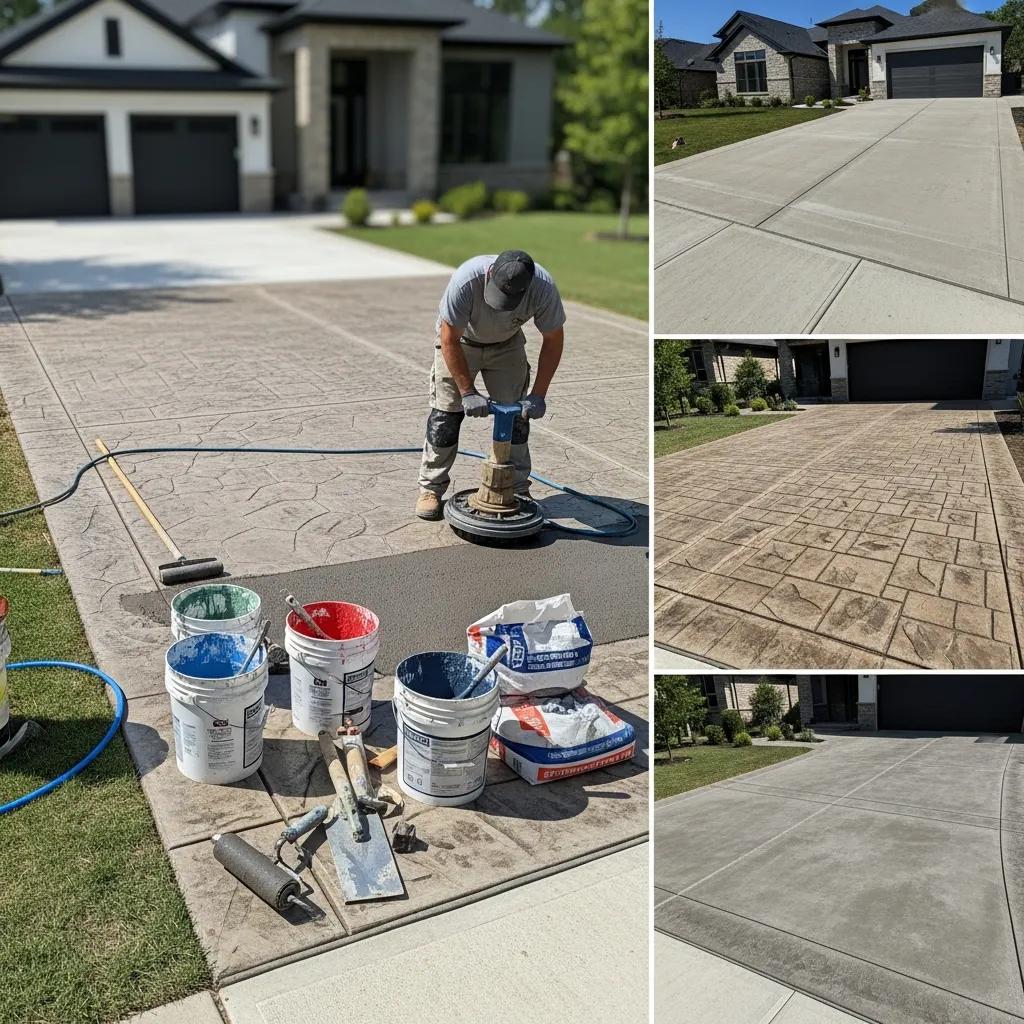
Choosing the best resurfacing technique depends on use-case, desired aesthetics, and durability needs, with options ranging from thin decorative overlays to thicker polymer systems designed for high-traffic areas. Major techniques include standard concrete overlay, stamped overlay (decorative imprinting), microtopping (thin aesthetic layer), and epoxy or polyurethane coatings (high-performance surface). Each method balances cost, appearance, slip resistance, and maintenance requirements, and the table below compares common techniques to help match a homeowner’s priorities with the appropriate approach.
Intro to table: The next table compares primary resurfacing techniques, what they’re best for, and key pros/cons to guide selection for patios, driveways, and pool decks.
This comparison helps homeowners weigh aesthetic goals against durability needs and connects to the next subsection on how stamped concrete specifically enhances outdoor spaces in Greensboro.
How Does Stamped Concrete Enhance Greensboro Outdoor Spaces?
Stamped concrete overlays add texture and pattern to patios and driveways, mimicking stone, slate, brick, or tile while delivering the durability of a concrete surface. The technique involves applying a color and imprinting patterns before the overlay cures, producing strong visual impact that suits both historic and contemporary Greensboro architecture. Beyond aesthetics, properly sealed stamped overlays provide improved slip resistance and can be engineered to withstand local freeze-thaw cycles with appropriate mix design and curing. When choosing stamped patterns and colors, consider local curb appeal and neighborhood context; coordinating hues with brick facades or landscape stone creates a cohesive exterior palette. Selecting the right pattern and sealer helps ensure appearance holds up and connects naturally to maintenance practices discussed later.
What Are Popular Resurfacing Materials for Patios and Driveways?
Popular resurfacing materials include acrylic overlays, polymer-modified cement overlays, microtoppings, and epoxy systems, each offering distinct performance and finish profiles for residential applications. Acrylic overlays are flexible and cost-effective for small patios, polymer-modified cements improve bond strength and durability for driveways, microtoppings provide ultra-thin decorative coatings, and epoxy coatings deliver chemical resistance for high-use areas. Considerations when selecting include expected traffic, UV exposure, color stability, and maintenance frequency, and selecting a product with proven bond strength to Portland cement substrates reduces risk of delamination.
Quick material tips:
- Choose polymer-modified mixes for driveways with moderate traffic.
- Use microtoppings for modern, smooth patio finishes.
- Prefer epoxy coatings in garage-like or high-chemical-exposure areas.
Understanding these materials provides the foundation for selecting qualified contractors to execute the work.
How to Choose a Reliable Greensboro Concrete Repair and Resurfacing Contractor?
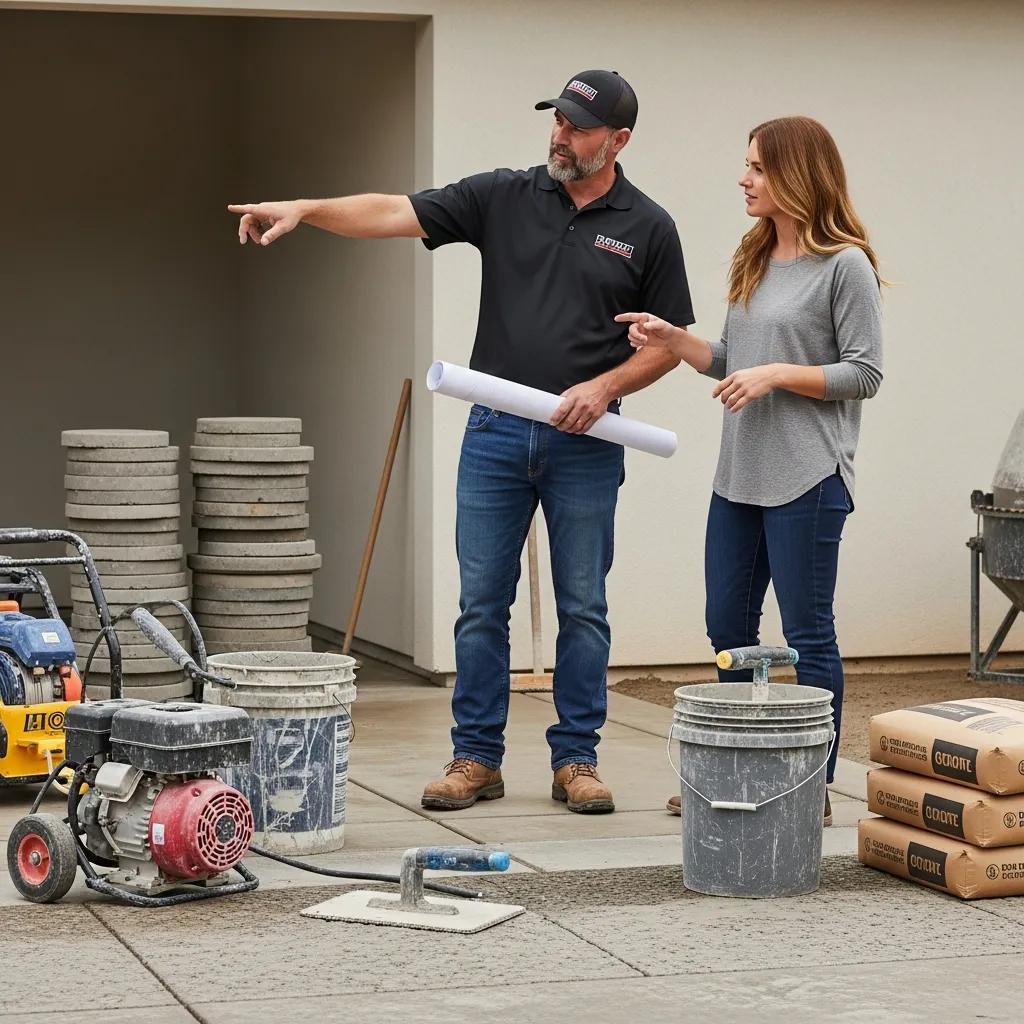
Selecting a contractor for resurfacing requires verifying credentials, reviewing project portfolios, and asking targeted questions about process, materials, and warranties to ensure the chosen firm can deliver durable results. Start by confirming the contractor’s insurance and any local trade memberships, ask for examples of similar overlay work with before-and-after photos, and request references you can contact about long-term performance. The decision-making checklist below is designed to guide conversations and vetting prior to requesting quotes, and the EAV table that follows shows which credentials reveal specific contractor strengths and which questions to ask during the estimate process.
Intro to table: Use the following table to translate credentials and attributes into practical questions you can ask a prospective resurfacing contractor.
Contractor vetting checklist:
- Verify insurance and request certificates.
- Review past project photos and ask for references.
- Get detailed, itemized written estimates and warranty terms.
After vetting, invite three local contractors to inspect the site and provide written proposals — comparing these proposals side-by-side reveals true value and helps avoid surprises.
What Credentials and Experience Should You Look For?
Key credentials include current general liability insurance, documented experience specifically with overlays and decorative stamping, and clear warranty language covering workmanship and material failures. Experience matters for problem-solving during prep: contractors with overlay portfolios will better identify substrate issues that require repair versus resurfacing. Ask for written warranty terms and example maintenance recommendations; absence of a warranty or refusal to document scope are red flags. Additionally, request project timelines, curing windows, and sealer specifications so you can compare apples-to-apples estimates and ensure the chosen approach aligns with your durability expectations and local weather considerations.
How to Evaluate Customer Reviews and Past Projects?
When assessing reviews and portfolios, prioritize detailed accounts that include project scope, timeline adherence, and longevity of results rather than short, vague praise. Look for recent projects with similar substrate conditions and finishes, and ask for references you can call about how the surface has performed over time. Validate before/after photos by confirming dates and asking what repairs, if any, were needed post-installation; consistent, positive reports across multiple projects are stronger signals than a single standout example. This evaluation reduces uncertainty and prepares you to negotiate contract terms, warranty language, and maintenance plans that protect your investment.
How to Maintain and Extend the Life of Resurfaced Concrete Surfaces?
Maintaining resurfaced concrete involves regular cleaning, timely resealing, and prompt attention to surface damage to maximize service life and preserve appearance.
Below is a recommended maintenance rhythm and product-type overview to help homeowners schedule care appropriate for Greensboro’s climate and traffic conditions.
What Are Recommended Cleaning and Sealing Practices?
Safe cleaning begins with sweeping debris, using pH-neutral cleaners for routine washing, and low-pressure rinses to avoid undermining bond lines; pressure washing is acceptable at moderate PSI when performed correctly. Sealers fall into broad types: acrylic sealers (easy and cost-effective, shorter lifespan), penetrating sealers (preserve texture, longer life), and high-performance film-forming sealers (glossier, stronger UV and chemical resistance). Reapplication intervals typically range from every 1–3 years depending on sealer type and traffic; always follow manufacturer instructions for surface prep, drying, and cure times before re-sealing.
Sealing checklist:
- Clean thoroughly before sealing to remove contaminants.
- Choose a sealer matched to finish and exposure (penetrating vs film-forming).
- Reapply per product recommendations, typically every 1–3 years.
Good maintenance practices minimize long-term costs and link directly to recognizing when resurfacing is required again.
When Is It Time for Another Resurfacing or Repair?
Deciding between maintenance, spot repair, resurfacing, or full replacement requires observing specific signs: surface wear, consistent loss of texture, or widespread discoloration indicate resurfacing may restore function and curb appeal; structural issues such as extensive cracking, heaving, or base failure point to replacement. A practical decision flow: if damage is cosmetic and substrate stable → repair/seal or full overlay; if cracks penetrate and reflect ongoing movement → evaluate for replacement. Well-executed overlays typically last 10–20 years under proper maintenance, and planning for reseal cycles and occasional touch-ups helps stagger future costs.
Decision rules summary:
- Cosmetic surface degradation → consider resurfacing.
- Structural movement or base failure → consider replacement.
- Maintain regular resealing to maximize overlay lifespan.
This framework helps homeowners set expectations for lifespan and plan future budgets accordingly.

0 Comments