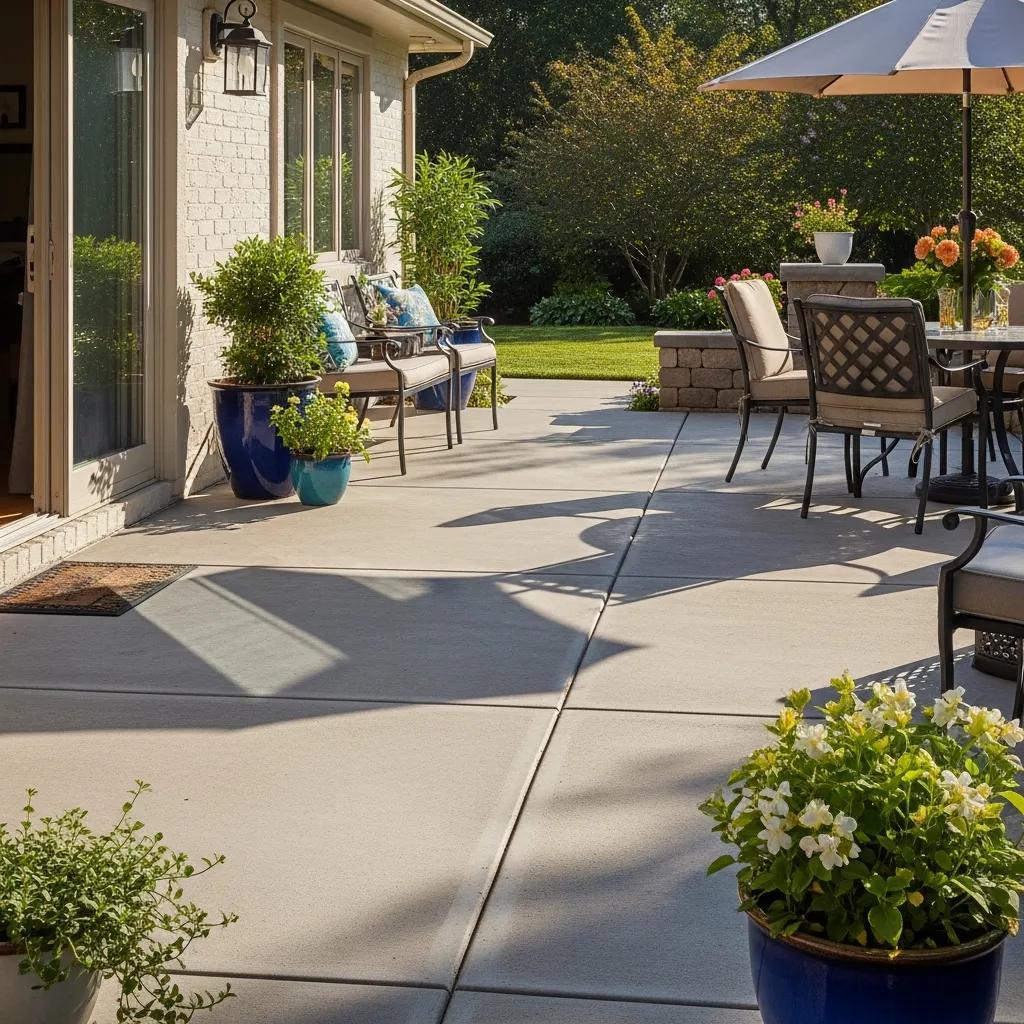
Affordable Concrete Patio Repair Costs in Greensboro, NC
A concrete patio repair cost guide focused on Greensboro, NC helps homeowners understand typical expenses and choose affordable fixes that match their budget and patio condition. This article explains the primary cost drivers, common repair methods, local considerations such as climate, and practical strategies to lower overall repair price without sacrificing durability. Homeowners reading this will learn how damage extent, square footage, and material quality influence concrete patio repair pricing, plus how to evaluate crack repair, resurfacing, leveling, and full replacement options. The guide also walks through contractor vetting, quoting best practices, and seasonal maintenance to extend patio life and avoid expensive future work. Sections cover cost drivers, repair method comparisons with a clear EAV table, actionable money-saving tips with DIY thresholds, contractor selection checklists, and preventative maintenance tailored to Greensboro’s climate. Throughout, target phrases like concrete patio repair Greensboro and patio resurfacing cost Greensboro NC are used naturally to connect readers with the most relevant local cost concepts.
What Factors Influence Concrete Patio Repair Costs in Greensboro?
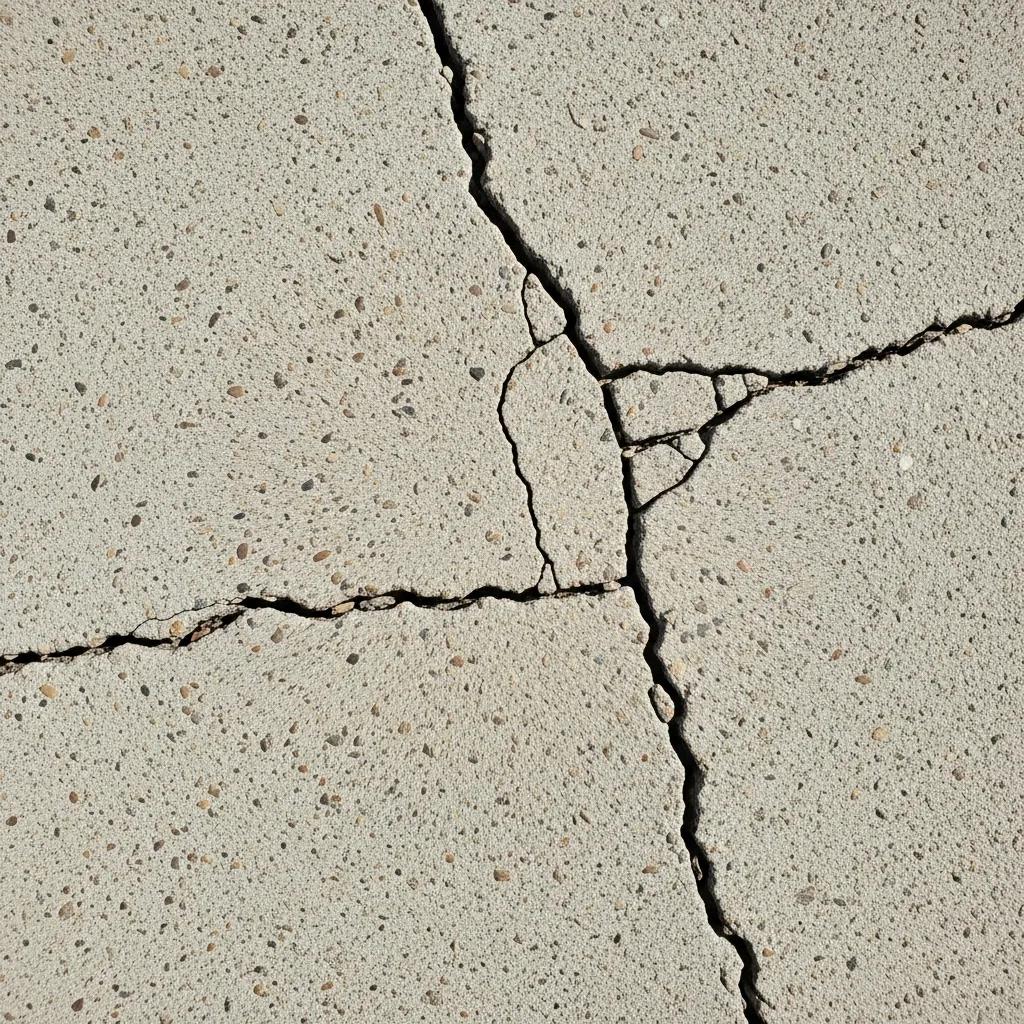
Concrete patio repair costs in Greensboro depend on several interacting factors that determine labor intensity, material needs, and required equipment. The primary drivers are the extent and type of damage, patio size (square footage), material quality and finishes, site accessibility and labor rates, and climate-related needs like drainage or freeze-thaw protection. These factors together form the mechanism by which cost increases: larger areas and premium finishes raise material and labor, while difficult access or structural issues add time and specialized work. Understanding these drivers helps homeowners prioritize repairs and forecast a realistic budget for concrete patio repair cost per square foot Greensboro residents can expect. Below is a quick cost-impact list for featured-snippet clarity and a detailed EAV table that summarizes how each driver typically affects price ranges.
- Extent of damage: minor crack repair is low cost; structural slab replacement is high cost.
- Patio size and finish: larger area or stamped/colored finishes increase per-square-foot rates.
- Accessibility and site prep: tight access, poor drainage, or removal needs add substantial labor.
This list frames the detailed table below that quantifies typical impacts and multipliers for local projects.
Intro to cost-driver table and purpose: the table below shows how key patio attributes alter cost and gives typical multipliers or ranges to help homeowners estimate price impact before seeking quotes.
This EAV table clarifies that damage extent and size drive most costs, while finish and access add significant but secondary impacts. Understanding these multipliers prepares homeowners to interpret contractor quotes and prioritize repairs.
How Does Damage Extent Affect Repair Pricing?
Damage extent determines whether a repair is a quick patch or a structural intervention, and that difference maps directly to cost. Minor hairline cracks often require cleaning, filling, and sealing, which is a short job with modest material cost; moderate cracking or spalling needs patching and partial resurfacing that increases labor and material volume. Severe structural problems—differential settlement, undermined subgrade, or extensive rebar corrosion—typically necessitate slab lifting/leveling or complete replacement, which is the most expensive option due to excavation, formwork, and new concrete placement. For example, a single hairline crack may cost a homeowner tens to low hundreds of dollars to repair, while slab replacement for a 200–300 sq ft patio can run into the high hundreds or low thousands depending on finishes. Recognizing when cracks are cosmetic versus structural helps homeowners choose cost-effective fixes and avoid paying for unnecessary full replacements.
This assessment leads into how patio size and material choices further shape per-unit pricing and total project cost.
What Role Do Patio Size and Material Quality Play in Cost?
Patio size establishes the base cost through per-square-foot pricing and minimum job charges, and material quality multiplies that base depending on finish selection. Basic concrete repairs and overlays are typically priced per square foot—contractors calculate material and labor for the measured area—so odd shapes and steps increase time per square foot and sometimes trigger minimum fees for small jobs. Premium options like stamped, colored, or textured overlays raise material costs and skilled labor requirements, often increasing the price by a noticeable percentage but also improving longevity and curb appeal. Accessibility of the site affects labor time: narrow side-yard access, steep grades, or heavy landscaping removal add to the labor multiplier and therefore total cost. Understanding these per-sq-ft interactions helps homeowners compare resurfacing versus replacement and estimate concrete patio repair cost per square foot Greensboro projects commonly incur.
To illustrate practical cost comparisons for different patio sizes and finishes, the next section details common repair methods and their price bands.
Which Common Concrete Patio Repair Methods Are Available and Their Costs?
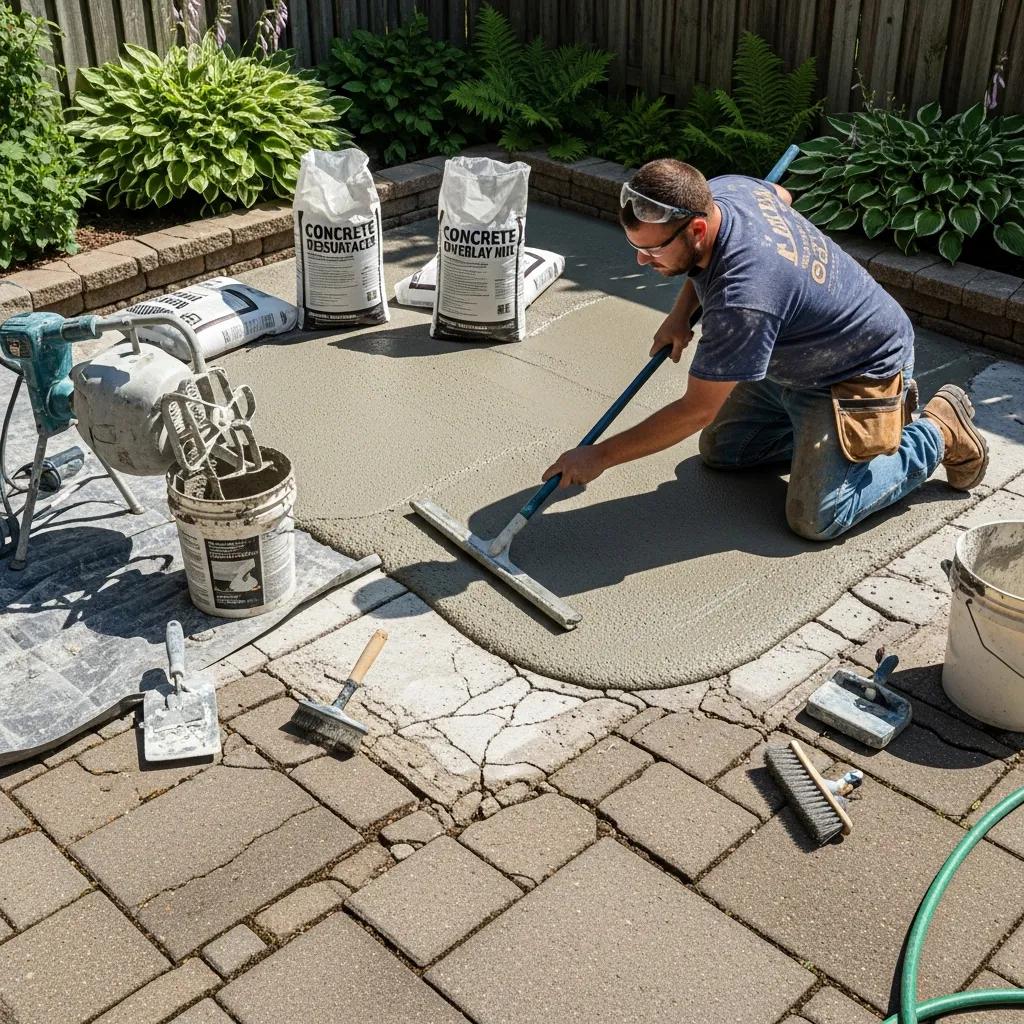
Common concrete patio repair methods range from simple crack repair to full replacement, and each method has distinct typical cost ranges, timelines, and recommended use cases. The methods include crack repair (local injections and sealing), resurfacing (thin overlays or microtoppings), slab leveling (polymer injection or mudjacking), and full patio replacement. Each approach trades off cost, lifespan, and aesthetic outcome: crack repair is cheapest but limited in scope, resurfacing refreshes appearance affordably, leveling corrects settlement without full removal, and replacement addresses severe structural failure. The short table below compares these options with typical local cost ranges, expected lifespan, and recommended scenarios so homeowners can quickly see which method aligns with their patio condition and budget.
Intro to method comparison table: this EAV-style table compares repair types with attributes homeowners care about: typical cost range, lifespan after repair, time-to-complete, and when recommended.
This comparison clarifies how homeowners can match method to problem: choose crack repair for minor issues, resurfacing for cosmetic renewal, leveling for settlement, and replacement for structural resolution.
What Is the Cost and Process of Crack Repair in Greensboro?
Crack repair typically starts with inspection to determine whether cracks are superficial or signals of structural problems, and the process follows a defined sequence: clean the crack, prepare edges, inject epoxy or polyurethane for structural sealing, then grind and apply a surface sealant. Materials vary—epoxies for structural bonding vs flexible polyurethanes for movement joints—and labor time depends on crack length, width, and accessibility. Typical local costs for crack repair range from modest per-line charges for short hairline repairs to several hundred dollars for longer, wider cracks or when the job requires grinding, injection, and resealing. Homeowners should watch for signs like multiple, widening, or stepping cracks that indicate deeper issues and a potential need to escalate from patching to slab-level solutions.
This practical path through crack repair sets up the decision between resurfacing and replacement that follows.
How Much Does Patio Resurfacing Cost in Greensboro, NC?
Patio resurfacing uses thin overlays, microtoppings, or decorative overlays to restore appearance and protect underlying concrete without full replacement; preparation is crucial and often drives cost when cleaning, patching, and profiling are required. Overlay materials and finish complexity determine per-square-foot pricing—simple broom-finish overlays are less expensive while stamped or colored overlays demand more material and skilled labor, raising costs. Typical per-square-foot estimates for resurfacing fall in a moderate band and include site prep, primer, overlay application, and sealing; additional work such as repairing underlying cracks before overlay increases the total. Resurfacing is cost-effective when the slab is structurally sound but cosmetically worn, and it often provides a decade or more of renewed life when paired with proper sealing and maintenance.
Understanding cost-saving options helps homeowners decide whether resurfacing is the best use of their budget, which the next section explores.
How Can Homeowners Find Affordable Concrete Patio Repair Solutions in Greensboro?
Finding affordable repairs requires aligning the repair type with the true problem, timing the job strategically, and reducing contractor hours through homeowner prep. Start by getting multiple detailed quotes that break out materials, labor, site prep, and disposal so you can compare apples-to-apples; bundling patio work with other exterior projects can sometimes lower unit labor rates. Seasonal timing matters: scheduling in slower months may yield lower labor rates, and small preventative repairs completed early avoid costlier full replacements later. Balancing DIY tasks—like site clearing, furniture removal, and light cleaning—with professional services can reduce total price while preserving workmanship quality for technical tasks.
Below are practical cost-saving options and a comparison table showing suitability and expected savings to help homeowners weigh choices.
Intro to DIY/comparison table: the following table compares common cost-saving approaches by suitability, expected savings, and risks so homeowners can choose appropriately.
What Cost-Saving Tips Reduce Concrete Patio Repair Expenses?
Homeowners can lower repair expenses by combining several practical tactics that reduce labor time and material waste while maintaining durability. First, obtain three written quotes with line-item details to compare material specs, warranties, and timelines rather than selecting by price alone. Second, schedule work in shoulder seasons or winter months when demand is lower and contractors may offer discounts; this timing also reduces the risk of delays from high summer workloads. Third, do nontechnical prep yourself—move furniture, trim vegetation, and ensure clear access—to shorten on-site labor hours and reduce the contractor’s billable time. These steps preserve quality control while trimming costs, and they prepare homeowners to decide between patching, resurfacing, leveling, or replacement based on clear price comparisons.
When Should You Choose DIY Repairs Versus Hiring Professionals?
Choosing DIY versus professional repair depends on skill level, the repair’s technical complexity, and the potential safety or warranty implications of incorrect work. DIY is appropriate for small, nonstructural tasks like filling hairline cracks, cleaning and sealing surfaces, or replacing loose edge materials; these tasks require basic tools, patching kits, and careful adherence to manufacturer instructions. Homeowners should hire professionals for structural issues, slab leveling, major resurfacing involving complex overlays, or when permits and engineered fixes are needed, since these jobs require specialized equipment, experience, and liability coverage. Cost-wise, DIY can save substantial money on small tasks, but improper repairs can lead to higher downstream costs and voided warranties, making professional work the prudent investment when structural integrity is at stake.
Deciding when to hire also hinges on choosing the right contractor, which the next H2 explains in detail.
How to Choose a Reputable Concrete Patio Repair Contractor in Greensboro?
Selecting a reputable contractor requires a checklist approach that verifies licensing, insurance, references, and clear written scopes to protect homeowners from unexpected costs and substandard work. A reliable contractor provides a detailed quote with material specifications, work sequence, timelines, and payment schedule, and offers references or a portfolio of similar local projects. Comparing multiple bids helps reveal outliers—either unusually low bids that cut corners or high bids that add unnecessary upgrades—and checking for written guarantees or warranties ensures accountability for workmanship. Asking the right questions and documenting responses creates a knowledge graph of evidence that links contractor claims to verifiable facts, simplifying the decision process.
To make vetting actionable, the next subsection provides a concrete verification checklist and typical red flags to avoid.
What Are Key Factors to Vet Greensboro Concrete Repair Contractors?
Vetting contractors involves confirming three core items: proper insurance and any required local registration, verifiable references and before/after photos from similar projects, and a written contract that specifies materials, process, schedule, and warranty. Ask contractors to describe the repair mechanism—how they will address subgrade issues, curing times, and sealing—and require them to put those steps in the quote; this triples as a technical check and comparison tool. Red flags include reluctance to provide written details, demands for large upfront payment without a clear milestone schedule, or vague material descriptions like “concrete mix” without strength or admixture specifications. A transparent vetting process reduces risk and clarifies expectations before work begins.
How to Request Accurate Quotes and Understand Repair Contracts?
When requesting quotes, provide each contractor with the same project brief, including photos, measurements, and desired finishes to ensure consistent comparisons across bids and reduce ambiguity in scope. Insist on itemized proposals that list materials, labor, site prep, disposal, permits if needed, and change-order procedures; this helps you compute concrete patio repair cost per square foot Greensboro quotes often imply. Understand contract clauses for warranties, holdbacks, and payment schedules—typical best practice is limited upfront deposit, staged payments tied to milestones, and a final retention until satisfactory completion. Clear contract language prevents surprises and gives homeowners leverage to enforce agreed quality and timelines.
Careful vetting and clear contracts reduce the need for costly rework, contributing to longer patio life through preventative maintenance discussed next.
What Preventative Maintenance Extends the Life of Your Concrete Patio?
Preventative maintenance minimizes repair frequency and overall lifecycle cost by addressing wear and environmental stress before they escalate into structural damage. Regular cleaning, timely sealing, prompt crack filling, and managing drainage and vegetation keep the slab protected from water infiltration and freeze-thaw cycles that accelerate deterioration. A maintenance calendar—annual cleaning, resealing every 2–4 years depending on product, and immediate attention to new cracks—extends service life and reduces the total cost of ownership. Proactive small repairs prevent migration from cosmetic to structural problems, making maintenance a high-return investment compared to episodic, large-scale repairs.
Below are specific maintenance routines and product-oriented recommendations to keep patios performing well in Greensboro’s climate.
Intro to maintenance practices list: the following list outlines routine tasks homeowners should schedule and why each protects the slab.
- Annual cleaning: Remove dirt, mildew, and organic matter to prevent surface degradation and moisture retention.
- Reseal every 2–4 years: Apply a quality concrete sealer to block water penetration and reduce freeze-thaw damage.
- Address cracks immediately: Fill small cracks when they appear to prevent water infiltration and subgrade loss.
These routine practices dramatically reduce the chance of costly structural repairs and form part of a seasonal maintenance plan aligned with local climate conditions.
Which Maintenance Practices Help Avoid Costly Repairs?
Effective maintenance focuses on three prevention pillars: keep water away from the slab, protect the surface, and fix small defects quickly to stop escalation. Proper drainage—grading soil away from the patio, maintaining gutters, and avoiding ponding—reduces subgrade saturation that causes settlement and freeze-related damage. Applying an appropriate sealer protects against moisture and chemical damage, and routine vegetation control prevents roots from undermining edges. Combined, these practices reduce the likelihood of issues that trigger expensive interventions like slab lifting or replacement.
How Does Greensboro’s Climate Impact Patio Durability?
Greensboro’s mix of hot summers, humid conditions, and occasional freezing winters subjects concrete patios to expansion-contraction cycles and moisture-driven deterioration that accelerate wear. Freeze-thaw cycles cause trapped water to expand and crack surfaces, while humidity and storms increase the frequency of wet-dry cycles that degrade sealants and allow salts or contaminants to penetrate concrete. Effective adaptation strategies include using freeze-thaw resistant mixes, ensuring adequate expansion joints, and prioritizing surface sealers designed for humid climates. Aligning repair timing to drier, moderate months reduces curing complications and improves long-term durability of repairs on local patios.
Preparing for climate impacts and following a seasonal maintenance rhythm reduces repair frequency and overall cost exposure for homeowners in Greensboro.


0 Comments