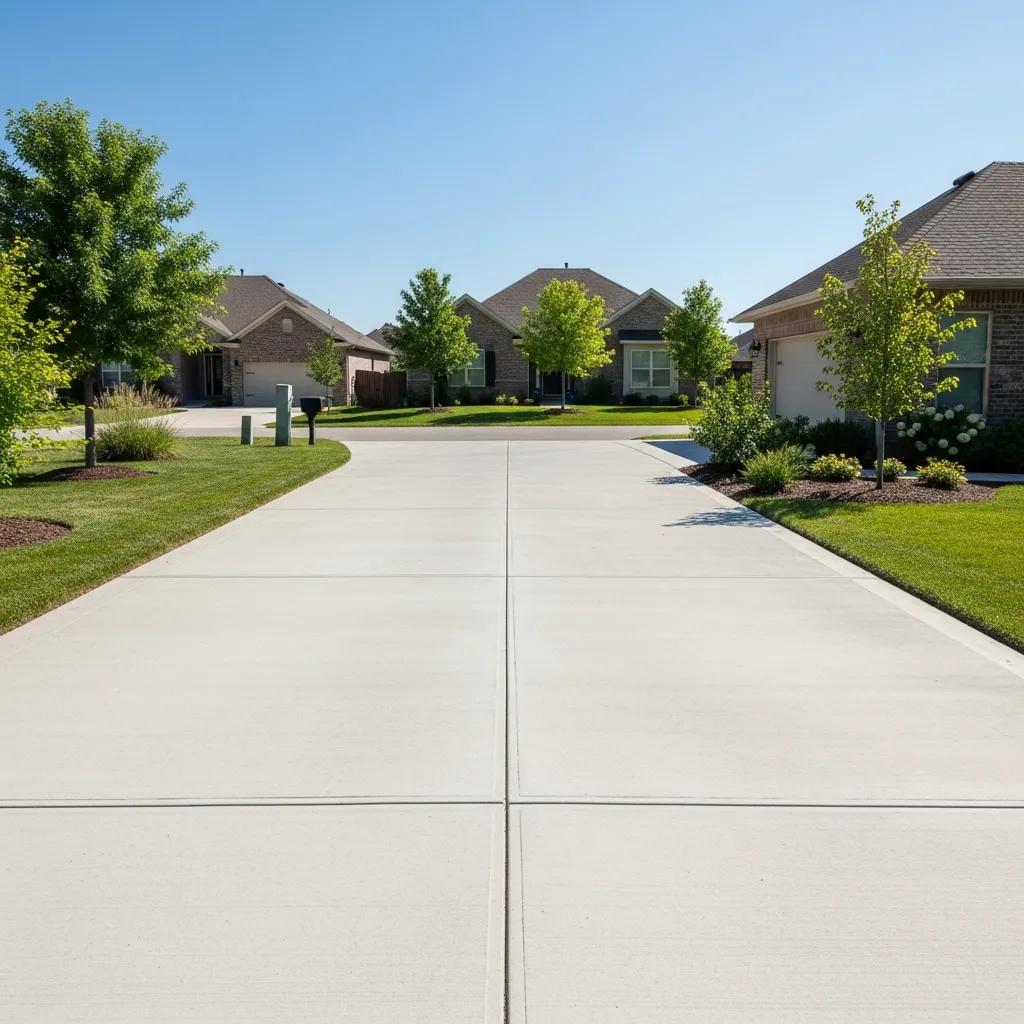
Concrete Driveway Repair Costs in Greensboro, NC: Budget Guide
Concrete driveway repair cost guidance for Greensboro homeowners helps you plan budgets, choose the right repair method, and know when replacement is the smarter long-term investment. This guide explains typical local price ranges, the repair methods contractors use, and the factors that make quotes vary across neighborhoods in Greensboro, NC. Many property owners face cracked slabs, potholes, and surface wear that degrade curb appeal and pose safety risks; knowing the cost to fix concrete driveway Greensboro helps prioritize repairs and avoid escalating damage. Below we present average cost ranges, an at-a-glance comparison table of common repairs, decision criteria for DIY versus professional work, and practical steps to obtain accurate Greensboro driveway repair estimates. You’ll also find maintenance best practices to extend service life and reduce future repair costs. Throughout the article we use localized cost language such as “Greensboro driveway repair cost” and “concrete driveway resurfacing prices” to keep guidance practical and searchable for homeowners budgeting repairs in 2025.
What Are the Average Concrete Driveway Repair Costs in Greensboro, NC?
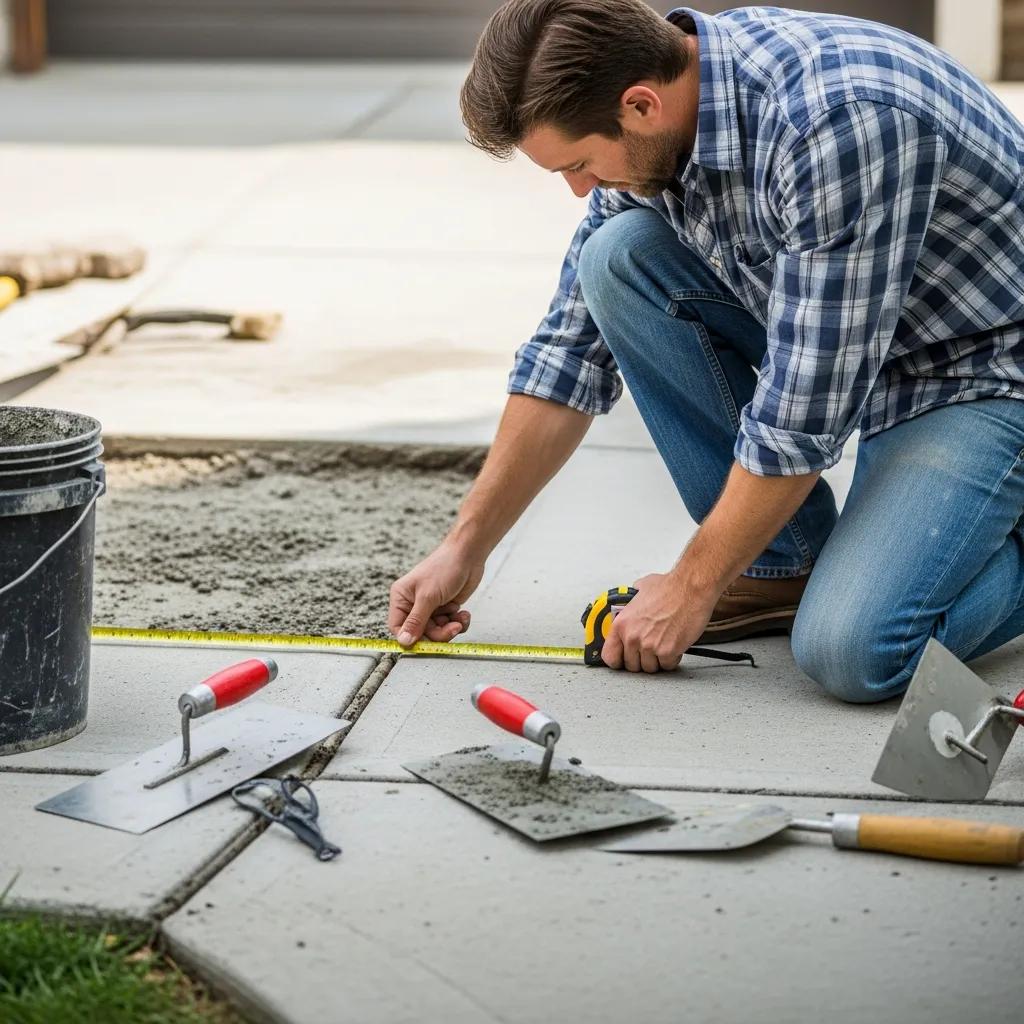
Average concrete driveway repair costs in Greensboro typically fall into distinct ranges depending on repair type, with minor fixes at the low end and full replacement at the high end. Cost varies primarily by area affected and the repair method chosen, and local labor and material rates in Greensboro influence final estimates. The table below summarizes common repair types with typical price ranges as of 2025, giving a quick baseline for budgeting and comparison when requesting estimates. Understanding these average ranges lets homeowners decide whether a small repair, resurfacing, or replacement better matches the driveway condition and long-term value.
Different repair options present distinct cost-to-benefit trade-offs, so the table highlights unit pricing and common job assumptions for Greensboro conditions.
This table clarifies typical Greensboro concrete repair pricing and units so homeowners can spot outliers when comparing bids. Keep reading for breakdowns of minor crack repair and resurfacing so you can judge which option fits your budget and expected lifespan.
For homeowners ready to move beyond price estimates, local contractors offer comprehensive concrete driveway repair services including crack filling, pothole patching, resurfacing, sealing, leveling (mudjacking or polyjacking), and full driveway replacement. If you want a tailored number for your property, request a free Greensboro repair estimate from local contractors who can inspect site-specific conditions and provide a written quote.
How Much Does Minor Crack Repair Cost in Greensboro?
Minor crack repair in Greensboro typically costs between $100 and $300 depending on crack length, width, and accessibility. Crack filling works by cleaning the fissure, applying a joint filler or epoxy injection, and smoothing the surface to prevent moisture intrusion and freeze-thaw damage. This method restores surface integrity and prevents cracks from widening, making it a cost-effective preventative measure on otherwise sound driveways. DIY kits can be used for very small hairline cracks, but professional repair ensures proper diagnosis and material selection when cracks are structural or recurring. Assessing whether a crack is superficial or indicative of subbase failure is essential because that diagnosis determines whether resurfacing or replacement will ultimately be more economical.
What Is the Price Range for Concrete Driveway Resurfacing?
Resurfacing (overlay) usually ranges from about $1,500 to $3,000 for a typical single-car driveway in Greensboro, with per-square-foot estimates often guiding quotes. The process involves cleaning and prepping the slab, addressing isolated defects, applying a bonding agent, and placing a thin overlay to restore appearance and some structural capacity. Resurfacing extends useful life by covering widespread surface wear and minor cracking, and it is cost-effective when the base is sound but the top layer is degraded. Compared to full replacement, resurfacing is faster and less expensive up front, though it does not correct major subbase or structural failures that would require leveling or replacement. Homeowners should compare resurfacing lifespan against replacement costs when deterioration affects base integrity.
Which Factors Influence Concrete Driveway Repair Costs in Greensboro?
Driveway repair costs in Greensboro are shaped by a few primary factors: the size and extent of damage, labor and material rates, site accessibility, and permit or disposal requirements. Each factor directly changes the scope of work and hours required, while local supply costs for cement mixes, sealants, and specialized materials affect line-item pricing. Seasonal demand also matters—high demand in spring or early fall can slightly elevate labor costs and lead times. Knowing these influences helps homeowners interpret quotes and ask targeted questions about scope, materials, and schedule.
Below is a focused explanation of how core factors typically alter pricing in practical terms for Greensboro homeowners.
Understanding these elements enables clearer conversations with contractors and better cost comparisons across bids. The next sections unpack how driveway size, damage extent, labor, and materials interplay with these price drivers.
How Do Driveway Size and Damage Extent Affect Pricing?
Driveway size and damage extent determine whether a repair is quoted per incident, per square foot, or as a full replacement, which directly changes the final cost. Small localized repairs—like filling a few cracks or patching potholes—are often priced per repair or per pothole, while resurfacing and replacement quotes use square-foot calculations that scale with driveway dimensions. Example: a single-car driveway needing overlay might fall in the lower overlay range, whereas a larger double-car driveway nearly doubles material and labor costs. Tipping points occur when the area of damage surpasses about 25–40% of the surface; beyond that, resurfacing or replacement may be more cost-effective than repeated spot repairs.
What Are the Impacts of Labor, Materials, and Permits on Costs?
Labor, materials, and permit requirements drive variability in Greensboro repair pricing by adding fixed and variable cost components to each quote. Labor includes crew mobilization, skilled trades for leveling or structural fixes, and clean-up—specialized tasks raise hourly rates. Material choices—standard concrete mix, polymer overlays, or epoxy injections—affect durability and price; higher-grade materials extend life but increase upfront cost. Permits or municipal requirements can add fees and scheduling steps for full rebuilds, and demolition/disposal of old concrete adds notable line items for replacement projects. Clear contractor estimates should separate these factors so homeowners can compare apples-to-apples.
What Are the Common Types of Concrete Driveway Repairs and Their Costs?
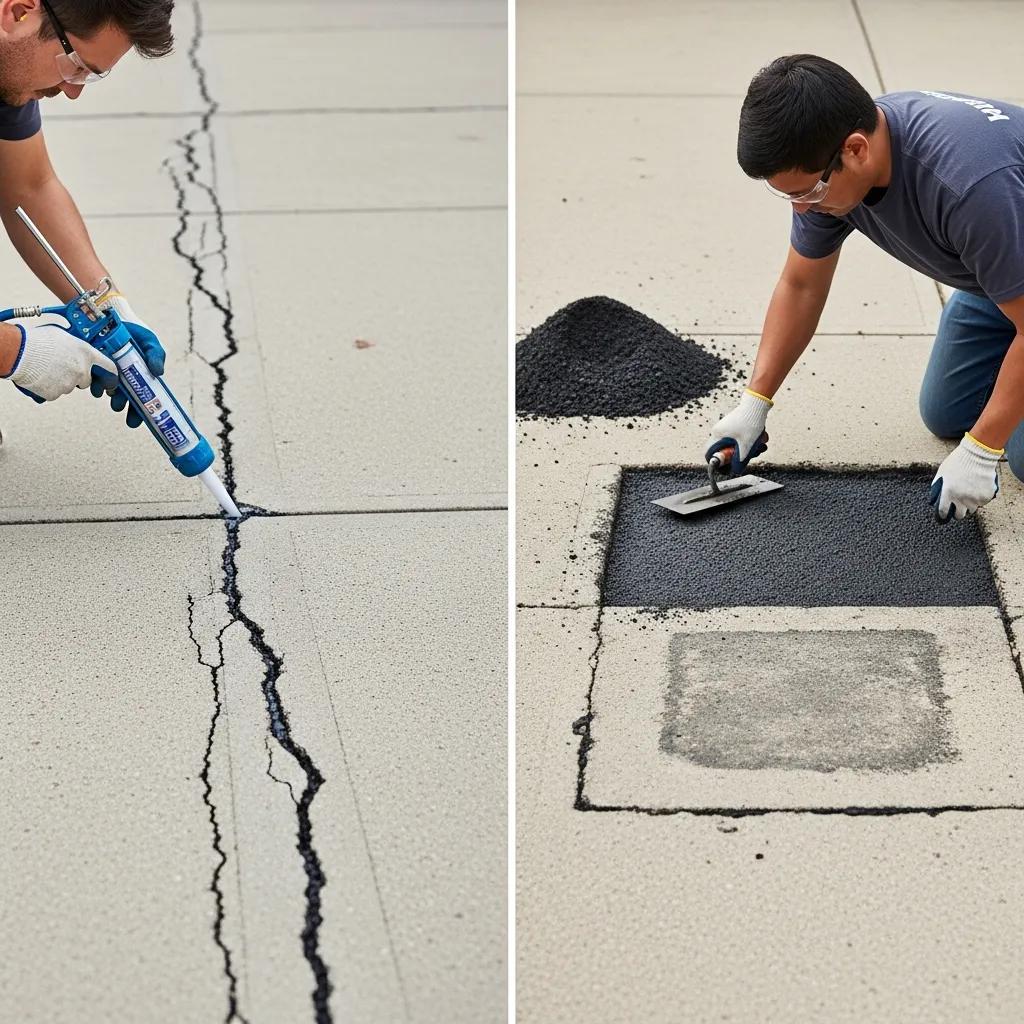
Common driveway repair methods include crack filling, pothole patching, resurfacing (overlays), slab leveling (mudjacking or polyjacking), sealing, and full replacement; each method addresses specific failure modes with different cost and lifespan expectations. Selecting the right method depends on whether damage is surface-only, localized, or caused by base failure. Below is a concise comparison of repair methods with typical outcomes to guide decision-making and budget planning.
This comparison helps homeowners match repair types to the underlying problem and budget, emphasizing trade-offs between upfront cost and expected lifespan. The following subsections explain pothole repair and full replacement in more detail.
How Much Does Pothole Repair and Patching Cost in Greensboro?
Pothole repair costs vary from about $35 for simple cold-patch fixes to $150 or more for full-depth, permanent patching that involves removing damaged concrete and installing new material. Temporary patches provide immediate safety improvements but tend to settle or fail under repeated loads; full-depth repairs and proper compaction deliver much longer-lasting results. Repair choice depends on traffic weight, pothole depth, and whether the subbase is compromised; permanent repairs take longer and cost more but reduce the likelihood of repeat work. Prompt attention to potholes is advisable since vehicle damage and liability risks can increase if holes remain unaddressed.
What Are the Costs and Benefits of Full Driveway Replacement?
Full driveway replacement involves demolition, disposal, subbase preparation, formwork, reinforcement, and new concrete placement, typically totaling $4,000–$8,000 for a common residential driveway in Greensboro. Replacement is the preferred solution when base failure, pervasive cracking, or repeated repairs indicate structural problems that overlays or patches cannot fix. Benefits include a longer service life, improved drainage and grade control, and the opportunity to upgrade thickness or reinforcement for heavier loads. While replacement is the most expensive option initially, it can be the best long-term value compared with recurring patchwork and resurfacing if the subbase is severely compromised.
Should You Choose DIY or Professional Concrete Driveway Repair in Greensboro?
Deciding between DIY and professional repair hinges on the repair type, your skill set, and liability considerations; minor sealing and small crack filling are often DIY-feasible, while structural issues, leveling, and replacement require professionals. DIY saves on labor costs but carries risks of improper diagnosis and inferior materials or application, which can lead to higher lifetime costs. Professionals bring diagnostic experience, equipment for leveling and compaction, and access to contractor-grade materials—advantages that reduce rework and extend driveway life. Below we outline practical decision criteria to help homeowners choose the best approach based on cost, complexity, and risk.
When professional assistance is the right choice, typical contractor services include crack filling, pothole patching, overlay/resurfacing, sealing, leveling through mudjacking or polyjacking, and full driveway replacement; comparing multiple quotes helps homeowners evaluate scope, materials, and warranty terms. Requesting detailed, line-item bids lets you compare true value across providers.
When Is DIY Repair Feasible and Cost-Effective?
DIY repair is feasible and cost-effective for small, surface-level tasks such as sealing or filling hairline cracks using consumer-grade fillers and sealants, with material costs usually under $200. Homeowners should have basic tools, follow manufacturer instructions for products, and ensure weather conditions are suitable for curing. DIY is not recommended for wide cracks, structural failures, sunken slabs, or projects requiring heavy equipment and compaction; misapplied repairs in those cases often lead to repeat costs. If you choose DIY, document the condition and monitor repairs; escalate to professional services if deterioration continues.
What Are the Advantages of Hiring Professional Contractors?
Hiring professionals offers advantages including correct diagnosis, efficient execution, warranty-backed work, equipment for leveling or full replacement, and permit handling when required. Contractors can combine methods—such as leveling followed by overlay—to solve both grade and surface problems cost-effectively, and they source durable materials that improve long-term outcomes. Professionals reduce homeowner risk around structural issues and liability, and their expertise often saves money over repeated DIY patching. When evaluating contractors, prioritize clear scopes, warranty terms, and references to ensure the best balance of cost and reliability.
How Can Homeowners Get Accurate Concrete Driveway Repair Estimates in Greensboro?
Accurate estimates start with a clear inspection, documented measurements, and quality photos; contractors then provide itemized quotes that separate materials, labor, disposal, and permits. A consistent process—inspect, request multiple quotes, compare—reduces surprises and helps homeowners choose bids that match scope rather than just the lowest price. Below is a practical checklist homeowners can follow to get reliable Greensboro driveway repair estimates.
Before requesting quotes, prepare the property documentation and a concise description of observed problems to ensure contractors price the same scope and avoid hidden extras. Clear documentation saves time during the bidding process and produces apples-to-apples comparisons.
- Inspect and document the driveway condition with photos and measurements.
- Request at least three itemized quotes from reputable local contractors.
- Compare scope, materials, timelines, warranties, and permit handling before selecting a bid.
Use this three-step approach to request a free local estimate and to make informed comparisons across contractors.
What Questions Should You Ask Local Contractors?
When vetting bids, ask contractors about licensing and insurance, the specific materials and methods they will use, timelines and crew mobilization plans, warranty terms, and prior references for comparable work. Clarify whether the quote includes disposal, permit fees, site prep, and restoration of landscaping or edging. Ask for a written scope that lists square footage, material specifications, and payment schedules to avoid ambiguous terms. Verifying insurance and references reduces homeowner risk and ensures the quoted price reflects the full project scope rather than an initial lowball.
How to Compare Quotes and Choose the Best Service?
Compare quotes line-by-line to ensure identical scopes; evaluate materials, warranty periods, and cleanup responsibilities rather than choosing solely on price. Create a simple comparison matrix scoring each bid on scope clarity, material quality, timeline, warranty, and price to identify the best overall value. Watch for red flags like vague scopes, large upfront deposits, or quotes that omit permit handling or disposal. Prioritize contractors who provide detailed proposals and clear communication to reduce cost creep and deliver predictable results.
What Are the Best Practices for Long-Term Maintenance and Prevention of Concrete Driveway Damage?
Maintaining a concrete driveway involves regular inspection, timely sealing, proper drainage management, and prompt attention to small defects to avoid larger repairs. Routine practices reduce moisture intrusion, freeze-thaw damage, and surface wear while extending the interval between resurfacing or replacement. Implementing a simple maintenance schedule combined with seasonal checks helps homeowners preserve curb appeal and manage lifecycle costs effectively. Below are prioritized maintenance actions and a practical schedule to keep your driveway serviceable for longer.
Consistent maintenance lowers the frequency of major interventions and preserves investment value in the long term, making preventive care a cost-saving strategy.
- Inspect twice yearly: Check for cracks, settling, drainage issues, and surface wear.
- Seal every 2–3 years: Apply a compatible sealant to prevent moisture penetration and surface deterioration.
- Address small cracks immediately: Fill hairline cracks to stop them from widening and causing base deterioration.
- Manage drainage: Ensure proper grading and clear gutters to avoid standing water on the slab.
These prioritized steps prevent escalation of minor defects into costly structural problems and support longer service life for the driveway.
How Does Sealing Extend Driveway Lifespan?
Sealing protects concrete by creating a barrier against water, oil, and deicing chemicals, reducing freeze-thaw damage and surface abrasion; typical sealing intervals are every 2–3 years depending on traffic and exposure. Sealant application involves cleaning the surface, allowing proper cure times, and using products compatible with the chosen overlay or concrete mix; correct application maximizes protection and aesthetic benefits. Sealing costs generally range from $150 to $400 per service in Greensboro and represent a modest investment compared with the expense of resurfacing or replacement. Consistent sealing reduces porosity and slows deterioration, delaying more expensive repairs.
What Preventative Measures Help Avoid Future Repairs?
Preventative measures include ensuring positive drainage away from the slab, limiting heavy vehicle loads, keeping vegetation and roots from undermining the base, and responding quickly to small cracks or spalling. Proper initial design—adequate subbase compaction and correct concrete thickness—matters, but homeowners can still mitigate damage through grading, using wheel stops for heavy equipment, and routine cleaning to remove staining agents that degrade concrete. Early interventions such as crack sealing and targeted patching preserve the slab and reduce the chance of extensive replacement. These steps, when done regularly, maintain structural integrity and save money over the driveway’s lifecycle.

0 Comments