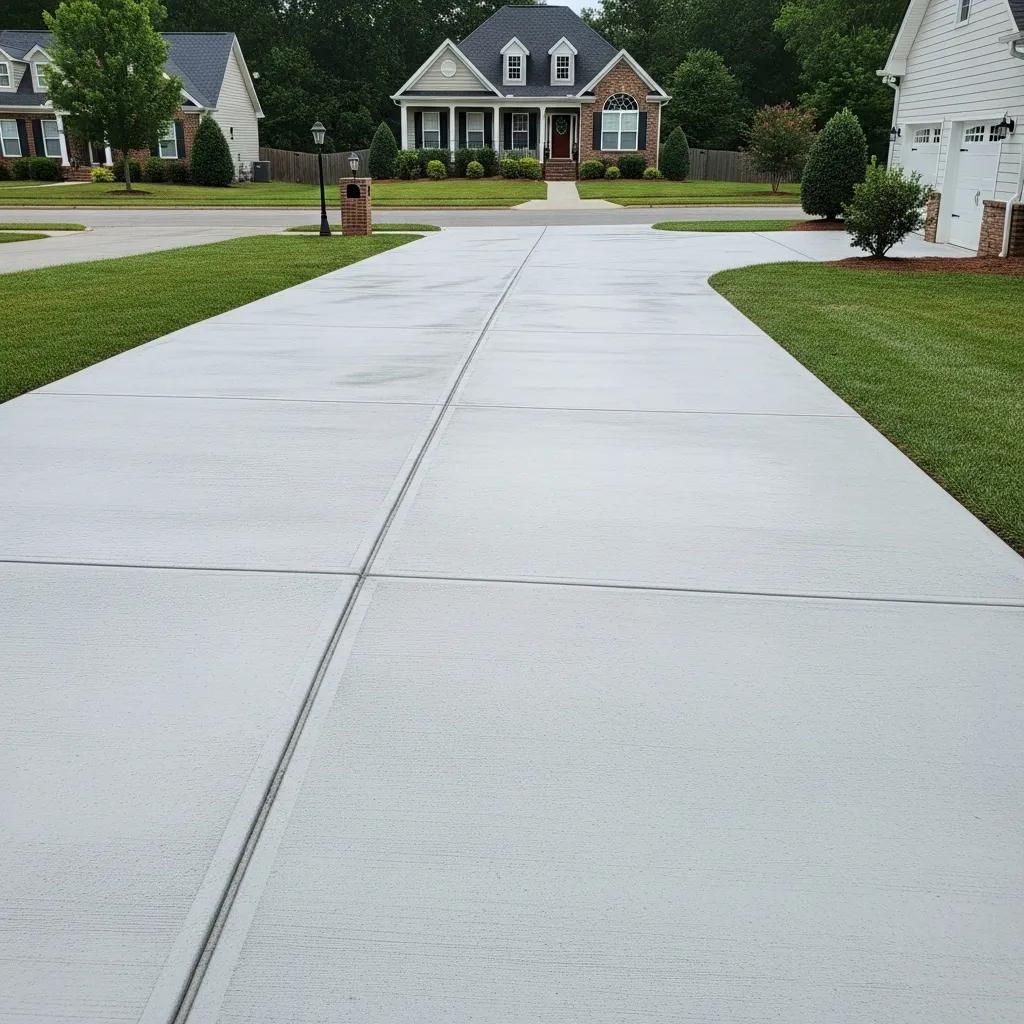
Understanding Concrete Driveway Costs in Greensboro, NC
Concrete driveway cost in Greensboro, NC refers to the total price homeowners should expect to install, repair, or replace a concrete driveway in the local market, including materials, labor, site preparation, permits, and optional finishes. Typical local ranges for a new standard residential concrete driveway fall in a broad band depending on size and options; this guide breaks down per-square-foot estimates, per-project examples, and the factors that most influence pricing so you can create an accurate driveway estimate in Greensboro. Many homeowners face uncertainty about demolition needs, reinforcement, decorative treatments, and permit requirements; this article promises clear numbers, simple calculations, and practical decision rules to help you budget effectively. You will find quick price ranges, three EAV tables summarizing common sizes and material unit costs, lists that highlight cost drivers and contractor questions, and step-by-step guidance for choosing a contractor or deciding between repair and replacement. Throughout, keywords like concrete driveway price Greensboro, driveway estimate Greensboro, and concrete driveway repair cost Greensboro are used in context to help you compare bids and plan a cost-effective project in the current market (Dec 2024). Read on for local cost ranges, material and labor breakdowns, permit considerations, and hiring checklists that move you from estimate to contract.
What Is the Average Concrete Driveway Cost in Greensboro, NC?
Average concrete driveway cost in Greensboro, NC is the typical installed price homeowners pay for a new residential concrete driveway, expressed per square foot and as total project examples for common driveway sizes. A straightforward standard concrete driveway (4-inch slab, basic trowel finish, gravel sub-base, and basic reinforcement where needed) often falls into the mid-range per-square-foot price band, while reinforced or decorative options push the price higher. Understanding average cost requires separating material unit prices, labor, demolition, and optional finishes so you can produce an accurate driveway estimate in Greensboro. The section below gives compact examples and a quick table to help readers map size to expected totals before diving into factors and contractor screening.
Intro to typical sizes and totals before the table: the following table shows common residential driveway configurations with typical installed price ranges for Greensboro conditions.
This compact table clarifies that small single-car driveways often begin in the low thousands, while two-car and longer drives scale proportionally with area and choices. The next paragraphs explain how to translate per-square-foot rates into totals for your specific layout and when demolition or reinforcement will materially change the figures.
How Does Cost Vary by Driveway Size and Type?
Driveway costs vary primarily with surface area and geometric complexity because area determines concrete volume, sub-base requirements, and finish labor; shape and slope create waste and additional formwork. To estimate a path, multiply width by length to get square footage, then apply your chosen per-square-foot installed rate—this simple formula converts unit prices into project totals. Long or circular driveways can raise the effective square footage due to curvature and edge waste, and steep slopes typically require additional grading and retaining measures that increase both material and labor. When planning, account for transitions (driveway apron/curb cuts) and possible drive extensions; these edge cases usually add fixed costs beyond pure square-foot math and may justify choosing thicker slabs or reinforcement.
What Are Typical Price Ranges per Square Foot?
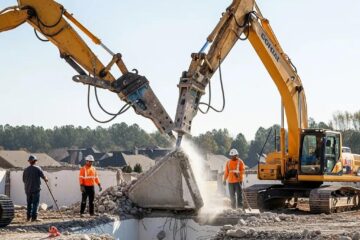
Typical per-square-foot price ranges in Greensboro reflect whether the quote is material-only or a full installed price that includes sub-base, finishing, and standard labor. A basic installed concrete driveway commonly ranges broadly from about $6 to $10 per square foot for standard finishes in local markets, with stamped, colored, or exposed-aggregate finishes adding an extra $3 to $8 per square foot depending on complexity. Demolition or tear-out, when required, can add roughly $1.20 to $1.80 per square foot in many cases, which increases the installed cost; always confirm whether a bid includes haul-off and disposal. These ranges are current as of Dec 2024 and should be used as planning numbers—requesting itemized driveway estimates in Greensboro will confirm local variations and specific inclusions.
Which Factors Influence Concrete Driveway Prices in Greensboro?
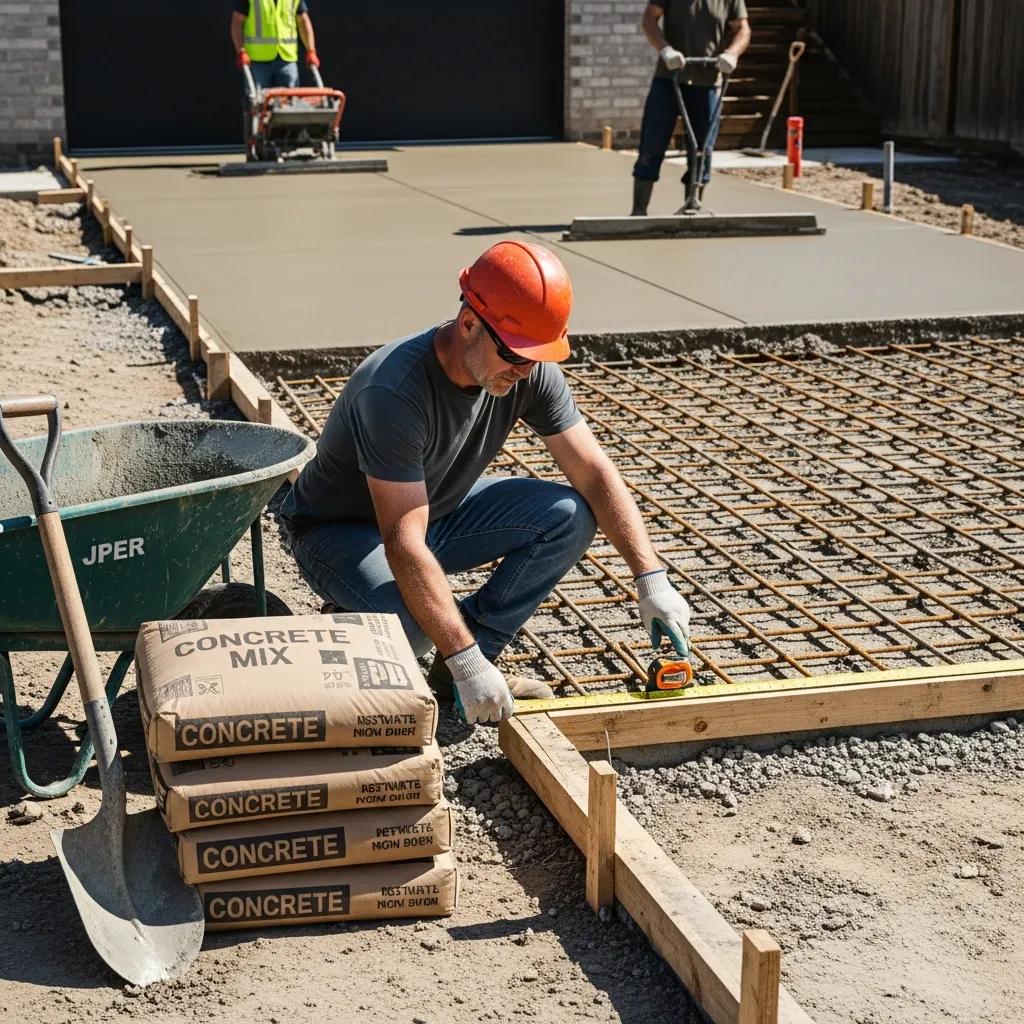
Concrete driveway prices in Greensboro are driven by a handful of predictable variables—size and thickness, reinforcement, site preparation and soil conditions, decorative finishes, access and demolition needs, and permit requirements. Each factor changes the quantity of materials, the complexity of labor, or the time required on site, which together determine the final installed price. Understanding these drivers helps homeowners prioritize upgrades and decide where to invest for longevity or curb appeal. Below we unpack the largest factors and then provide targeted examples that translate those variables into dollar impacts for a typical residential driveway.
Intro to the main factors list: the following list highlights the core elements that consistently move bids up or down.
- Size and slab thickness: Larger area and thicker concrete directly increase material volume and labor.
- Reinforcement and structural needs: Rebar or wire mesh increases material and placement time.
- Site preparation and sub-base quality: Poor subsoil or required grading adds excavation and gravel costs.
- Decorative finishes: Stamped, colored, or exposed aggregate require skilled finishing and extra time.
- Access, demolition, and disposal: Limited access or tear-out work can add mobilization and disposal fees.
- Permits and curb/drive apron work: Regulatory approvals or curb cuts create extra administrative or construction costs.
These drivers explain why two bids for the same square footage can differ significantly; the next subsections quantify thickness and decorative impacts so you can translate choices into expected cost changes.
How Do Driveway Size and Thickness Affect Cost?
Driveway thickness affects material volume and structural capacity: a standard residential slab is typically 4 inches thick, but heavier loads—RVs, frequent trucks, or short-term commercial use—may require 6 inches or more and sometimes thicker edges. Increasing slab thickness from 4″ to 6″ raises concrete volume by 50% for the same footprint, which directly increases concrete cost per cubic yard and increases formwork and finishing time. For example, a 400 sq ft driveway at 4″ requires roughly 0.5 cubic yards per 100 sq ft (approx. 0.67 cubic yards total); raising thickness to 6″ increases the concrete needed proportionally and therefore the material line on the estimate. Thicker slabs also justify additional reinforcement (rebar or wire mesh), which adds both material and labor but improves long-term durability—this trade-off is central when deciding between short-term savings and lower lifetime maintenance.
What Role Do Decorative Finishes and Reinforcement Play?
Decorative finishes and reinforcement are common cost add-ons that affect both upfront price and long-term performance. Stamped concrete, colored overlays, or exposed aggregate add skilled finishing hours and specialty materials, typically adding a premium of several dollars per square foot compared with a plain broom-finish slab. Reinforcement options—wire mesh for basic cracking control or rebar for structural strength—add material cost and placement labor; rebar is generally pricier but recommended where vehicle loads or poor sub-base conditions exist. Choosing decorative options improves curb appeal and home value, while reinforcement decisions should be guided by expected loads and local soil conditions; both choices are strategic investments rather than mere cosmetic decisions.
How Much Do Materials and Labor Cost for Concrete Driveways in Greensboro?
Materials and labor are the core cost components of a concrete driveway estimate in Greensboro; materials include concrete by the cubic yard, sub-base gravel, reinforcement, and sealants, while labor covers excavation, forming, finishing, and curing management. Current local concrete material prices (per cubic yard) and typical labor rates provide the foundation for quick calculations homeowners can use to vet contractor bids. This section presents a table of unit costs and a numbered list of typical cost items to help you assemble an itemized estimate or interpret a contractor’s quote.
Intro to the EAV table: below is a concise comparison of common material unit prices and representative local labor items in Greensboro.
This table helps translate per-cubic-yard concrete prices into project material totals when combined with volume calculations. The next list lists the typical line items contractors include so you can request an itemized driveway estimate in Greensboro.
- Concrete material: Ready-mix delivered per cubic yard, reflecting PSI and admixtures.
- Sub-base and grading: Excavation and compacted gravel depth quoted by area and depth.
- Reinforcement: Wire mesh or rebar priced per project, often as a separate line item.
- Formwork and finishing: Labor to form edges, pour, trowel, and texture the surface.
- Demolition and disposal: Tear-out, hauling, and disposal quoted per square foot or project.
These numbered items represent the core line items you should see on an itemized estimate; asking for this breakdown helps compare apples-to-apples across bids.
What Are Concrete Material Prices per Cubic Yard in Greensboro?
Concrete material prices per cubic yard in Greensboro currently fall within a planning range used by local bidders, with factors like PSI strength, admixtures, and delivery fees influencing the final unit price. The reported underlying range for ready-mix concrete in the area is approximately $128 to $150 per cubic yard as of Dec 2024, and higher-PSI mixes or specialty admixtures (accelerators, air entrainment, or colorants) may increase that number. When calculating volume, convert slab thickness and area into cubic yards and multiply by the unit price, then add potential delivery minimums or pump charges if the site has limited access. Sourcing two or three local ready-mix supplier quotes or ensuring the contractor lists mix design and PSI in their estimate will clarify material cost drivers.
What Are Average Labor Rates for Installation and Repair?
Average labor rates for concrete driveway installation and repair in Greensboro are influenced by crew size, job complexity, access, and schedule. Contractors may quote labor as a per-hour crew rate, or as a project-based installation fee that bundles labor with formwork and finishing; small repairs are often quoted per repair or per square foot. Factors raising labor costs include steep drive slopes, tight access, required traffic control, extensive demolition, or complex decorative finishes that require more handwork. Requesting an itemized labor line in the quote—separating hours, crew size, and subcontracted services—helps you see where efficiency or additional work affects the price.
What Are the Costs for Concrete Driveway Repair and Replacement in Greensboro?
Costs for concrete driveway repair and replacement in Greensboro depend on the extent of damage, whether the sub-base is compromised, and whether cosmetic or structural fixes are required. Repairs range from simple crack sealing to full slab replacement, with each option carrying different typical price ranges and expected lifespans. This section starts with a decision framework to help you choose repair versus replacement and follows with a table listing common repair types and typical cost bands so you can compare options and plan budgets.
Intro to repair decision-making: decide based on damage extent, sub-base integrity, safety concerns, and long-term cost-effectiveness.
This table illustrates that small repairs are low-cost stopgaps, while full replacement is a larger investment that addresses structural issues. The following subsections explain when to repair versus replace and give typical repair cost examples.
When Should You Repair vs. Replace Your Concrete Driveway?
Decide to repair when damage is limited to superficial cracking, minor spalling, or small trip hazards with an otherwise sound sub-base; repairs extend service life at low cost and are appropriate when structural integrity remains intact. Choose replacement when there is widespread settlement, multiple large cracks, heaving from freeze-thaw or root action, or evidence of sub-base failure—these conditions often reoccur after patching and justify full removal and reinstall. Maintenance tips—such as regular sealing, prompt crack filling, and drainage management—can prolong a repaired driveway, while replacement should be planned when recurring repairs exceed roughly half the replacement cost over a short timeframe. Evaluating under-slab conditions (probing or small test excavations) is a pragmatic step before major decisions.
What Are Typical Repair Costs for Common Issues?
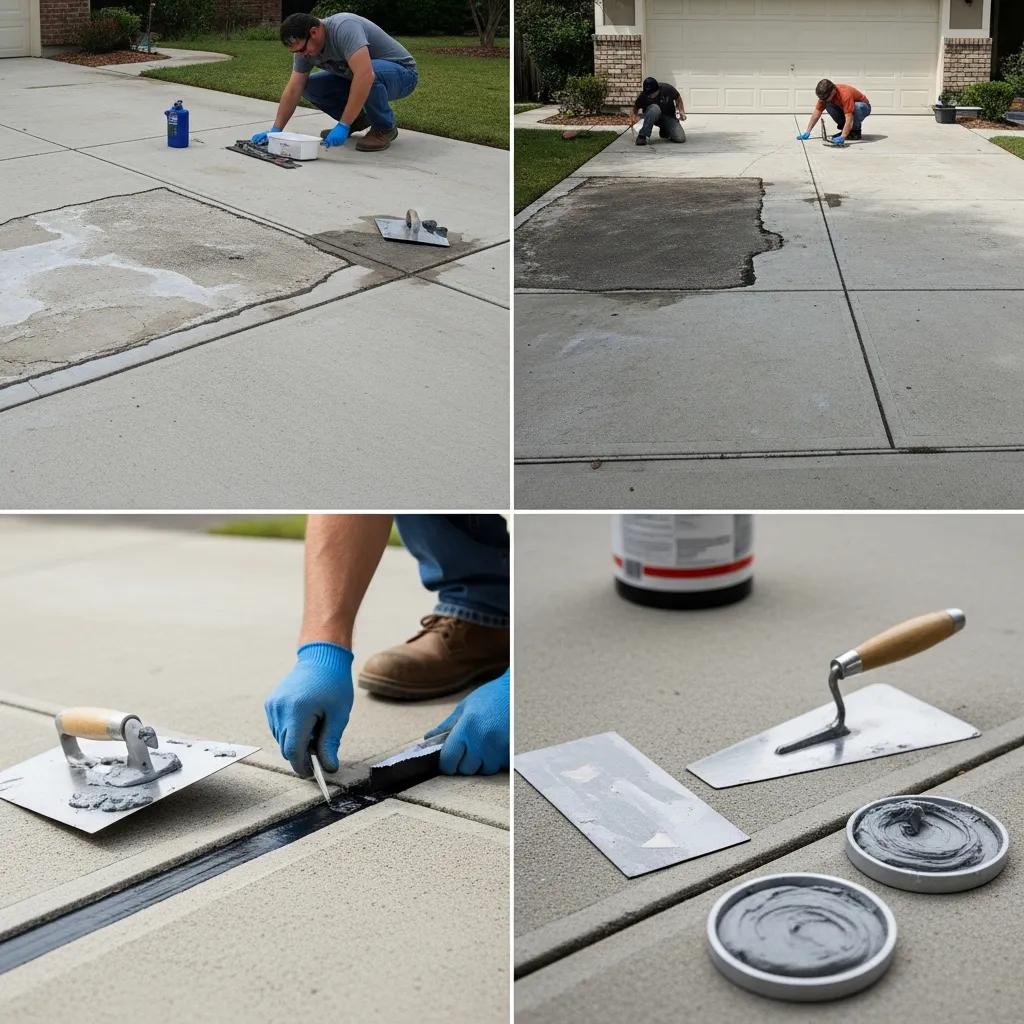
Typical repair costs vary by task complexity: crack sealing is inexpensive and fast, patching localized areas requires more labor and materials, resurfacing overlays add thickness and finish at mid-range per-square-foot prices, and slab replacement costs align with new installation pricing. For example, crack sealing might run in the low hundreds for standard driveways, while a patch or small slab replacement ranges from a few hundred to over a thousand depending on access and edge work. Resurfacing a sound base can cost a few dollars per square foot and improve appearance and durability, whereas full replacement returns to the new-driveway pricing bands listed earlier. Getting multiple repair quotes and asking about expected lifespans for the chosen repair helps determine which option offers better long-term value.
How Do Permits and Regulations Affect Concrete Driveway Costs in Greensboro?
Permits and local regulations can add both direct costs (permit fees, inspection fees) and indirect costs (delays, required curb cuts or apron work) to a driveway project in Greensboro; compliance matters for public right-of-way work or when cutting into existing curb or sidewalk. Understanding which permits might apply and the typical approval steps reduces surprises and the risk of retroactive remediation. This section explains likely permit types and provides a concise list of steps to verify requirements, followed by guidance on where to confirm specifics with local planning authorities.
Intro to permit-types and process: permit needs vary by municipality, project scope, and whether work impacts public right-of-way.
- Driveway permit / driveway approach approval: Required when modifying the curb, apron, or public right-of-way.
- Right-of-way or encroachment permits: Needed if work impacts sidewalks, drainage, or utilities.
- Demolition/hauling permits: May be required for large-scale tear-out with significant hauling requirements.
These typical permit categories explain why some projects have added administrative costs; the next subsection describes the core permit application steps homeowners should expect.
What Permits Are Required for Driveway Installation in Greensboro?
Permits commonly required for driveway installation include driveway approach permits when altering the curb or apron, right-of-way encroachment permits if work affects public sidewalks or gutters, and occasional demolition permits for extensive tear-out work; exact requirements depend on project scope and local ordinances. The application process generally involves submitting a site plan or sketch, specifying dimensions and materials, and awaiting an inspection or approval before work begins; permit fees vary and can add time to project scheduling. Before finalizing a contractor, ask whether the contractor includes permit procurement and inspection coordination in their driveway estimate, as that responsibility often affects the total project timeline and cost.
Where Can You Find Greensboro’s Driveway Regulations and Guidelines?
To confirm permit requirements and application steps, homeowners should contact their local planning or public works office directly and request the protocols for driveway approaches, curb cuts, and right-of-way work; verifying local guidelines early prevents scope creep and unexpected fees. Ask contractors to cite the specific permits they will pull as part of their bid and to document inspections; including permit responsibilities in the written estimate clarifies who handles approvals. Anticipate several business days for permit review and factor that timeline into your project schedule, as permit waits and inspection scheduling can extend the overall duration and potentially the labor cost.
How to Choose the Right Concrete Contractor in Greensboro, NC?
Choosing the right concrete contractor in Greensboro requires vetting licenses, insurance, references, warranty offers, and the completeness of written estimates; the best contractors provide itemized bids, clear timelines, and documented assurances about materials and workmanship. A structured checklist of questions and a process for comparing bids helps homeowners identify contractors who balance price with quality and reliability. This section provides prioritized contractor questions and a step-by-step approach to obtaining accurate, comparable concrete driveway estimates in Greensboro.
Intro to the contractor checklist: use a consistent set of questions to compare contractors fairly and to surface differences in scope and quality.
- Are you licensed and insured for concrete work? Ask for documentation and verify coverage.
- Can you provide local references and photos of recent driveway projects? Inspect prior work for finish quality and drainage performance.
- Will the estimate be itemized (materials, labor, permits, disposal)? Itemization enables direct comparisons.
- What is the specified concrete mix (PSI) and reinforcement plan? Confirm mix designs and edge/thickness details.
- What warranties or workmanship guarantees are provided? Understand warranty terms and what they cover.
Using this checklist ensures your selection process focuses on tangible criteria rather than just price. The following subsection explains how to get accurate, comparable estimates.
What Questions Should You Ask Greensboro Concrete Contractors?
Ask contractors about specific materials (concrete PSI, admixtures), sub-base preparation methods, reinforcement type, cure time, cleanup procedures, and whether they will handle permits and inspections—each answer clarifies workmanship quality and cost drivers. Request that contractors explain how they price demolition, disposal, access challenges, and weather contingencies, because these often produce the biggest bid differences. Insist on itemized written estimates that separate materials, labor, reinforcement, permits, and optional decorative finishes so you can compare bids on a like-for-like basis and understand where cost savings or added value occur.
How to Get Accurate Concrete Driveway Estimates in Greensboro?
To obtain accurate and comparable driveway estimates, prepare a consistent site brief for contractors that includes measured dimensions, desired finish, expected vehicle loads, known access constraints, and any permit concerns; provide photos and a simple sketch to standardize bids. Get at least three written estimates and compare them line-by-line, paying attention to concrete volume calculations, specified mix PSI, sub-base depth and compaction, reinforcement details, and whether sealant or curing methods are included. Verify contractor references and ask about scheduling and cure-time protections in case of adverse weather; these procedural details affect both the timeline and the final installed price.
- Provide a single site brief and request itemized bids from three contractors.
- Compare line items (materials, labor, permits, disposal) rather than total price only.
- Confirm specified mix strengths, reinforcement, and cure time in writing.
These steps help you translate concrete driveway price Greensboro comparisons into a reliable decision, ensuring the chosen contractor’s scope aligns with your budget and durability expectations.

0 Comments