Concrete Additions in Hamilton Lakes: An Expert Guide
Concrete additions are site-built exterior structures — such as shed slabs, RV pads, driveways, patios, steps, and retaining walls — that extend a property’s usable space and durability, and this guide focuses specifically on options for Hamilton Lakes in Greensboro, NC. Homeowners in Hamilton Lakes need practical, neighborhood-aware guidance on types of concrete work, local installation considerations, realistic cost ranges, and durable decorative choices to match the community’s architecture and HOA expectations. This article explains common concrete services, walks through contractor selection criteria, details installation workflows for shed slabs and RV pads, outlines repair and maintenance strategies to maximize lifespan, and presents decorative finish ideas tailored to local lots and soils. Readers will find featured-snippet-ready cost ranges, step-by-step installation checklists, maintenance schedules, and comparative EAV tables that summarize tradeoffs for each type of addition. By the end you will understand how site prep, drainage, reinforcement, and finish selection influence durability, appearance, and budget for shed slabs, RV pads, driveways, and patios in Hamilton Lakes, and you’ll be prepared to evaluate bids and plan improvements with local constraints in mind.
What Are the Key Concrete Addition Services Available in Hamilton Lakes?
Concrete additions cover a range of residential exterior projects that improve function, access, and curb appeal in Hamilton Lakes, and they balance durability with neighborhood form. Core services typically include poured driveways, stamped and decorative patios, shed slabs sized for common backyard storage, RV pads engineered for heavy loads, retaining walls and steps for grade changes, and targeted repair services such as crack injection and resurfacing. Each service responds to local site constraints like lot slope, tree root zones, and HOA guidelines, and choosing the appropriate type affects long-term maintenance and aesthetic outcomes. Understanding the service mix first helps homeowners prioritize projects that deliver the greatest value and require the least disruptive site work.
This list outlines the primary concrete services homeowners request in Hamilton Lakes and why they matter.
- Poured driveways: Provide durable vehicle access and curb appeal with options for reinforcement and decorative finishes.
- Concrete patios and outdoor living spaces: Create low-maintenance gathering areas compatible with landscaping and furniture loads.
- Shed slabs and utility pads: Offer reliable, level bases for storage buildings and equipment while minimizing ground moisture issues.
- RV pads and heavy-duty aprons: Support vehicle weight and provide safe maneuvering with proper thickness and drainage.
Each of these services ties into the next planning step: choosing an experienced contractor who can translate neighborhood constraints into a resilient installation plan.
Which Types of Concrete Driveways Are Popular in Hamilton Lakes?
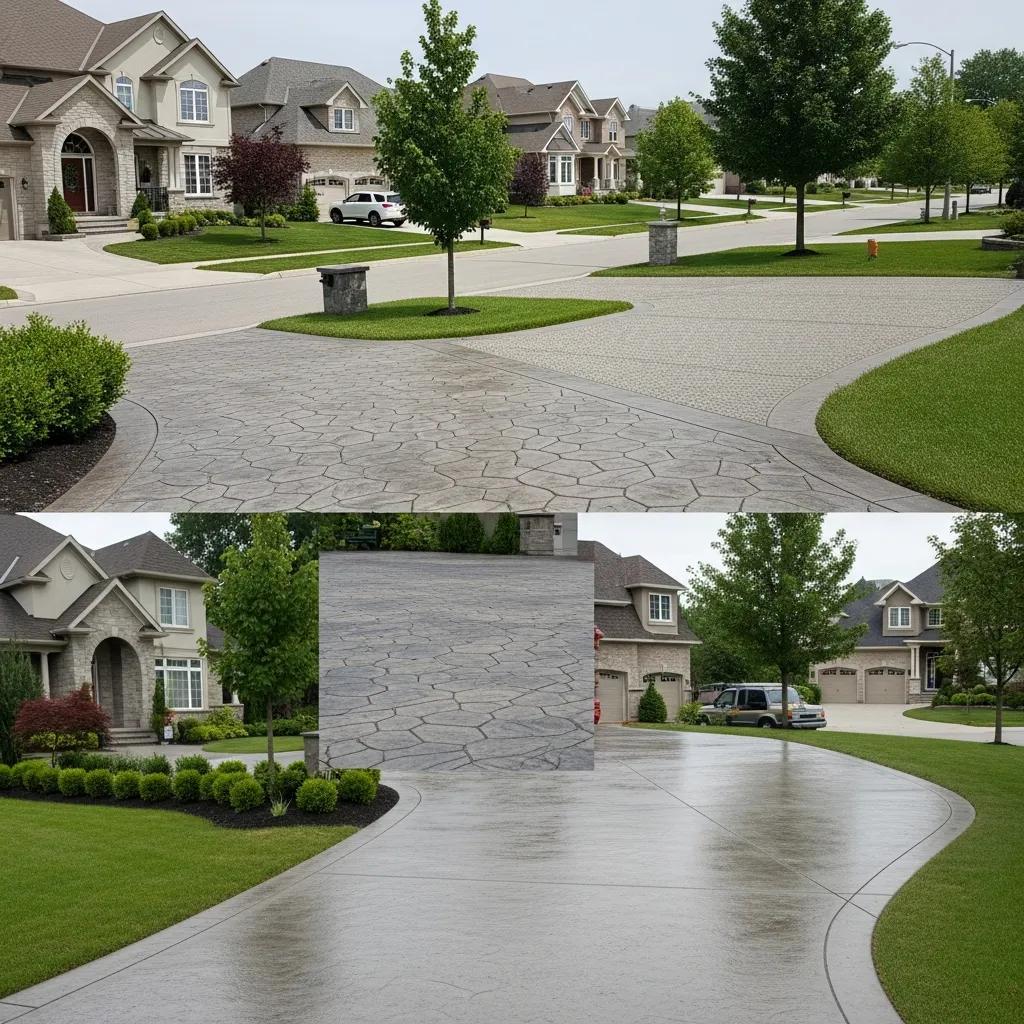
Concrete driveways in Hamilton Lakes range from simple broom-finished poured slabs to decorative stamped or exposed-aggregate treatments that enhance curb appeal while meeting practical demands. A standard poured driveway offers robust performance for everyday vehicle loads and minimal maintenance, while stamped or colored finishes mimic pavers or stone to elevate presentation without the long-term settling concerns of segmented materials; homeowners select based on style, budget, and HOA preferences. Exposed aggregate provides textured slip resistance and hides minor staining, whereas reinforced sections or thicker edge bays increase resistance to cracking at wheel paths. Considering local drainage and slope is essential because poor runoff control can undermine any driveway type; integrating control joints and a proper subbase mitigates freeze-thaw and settlement risks while preserving appearance.
What Are the Options for Concrete Patios and Outdoor Living Spaces?
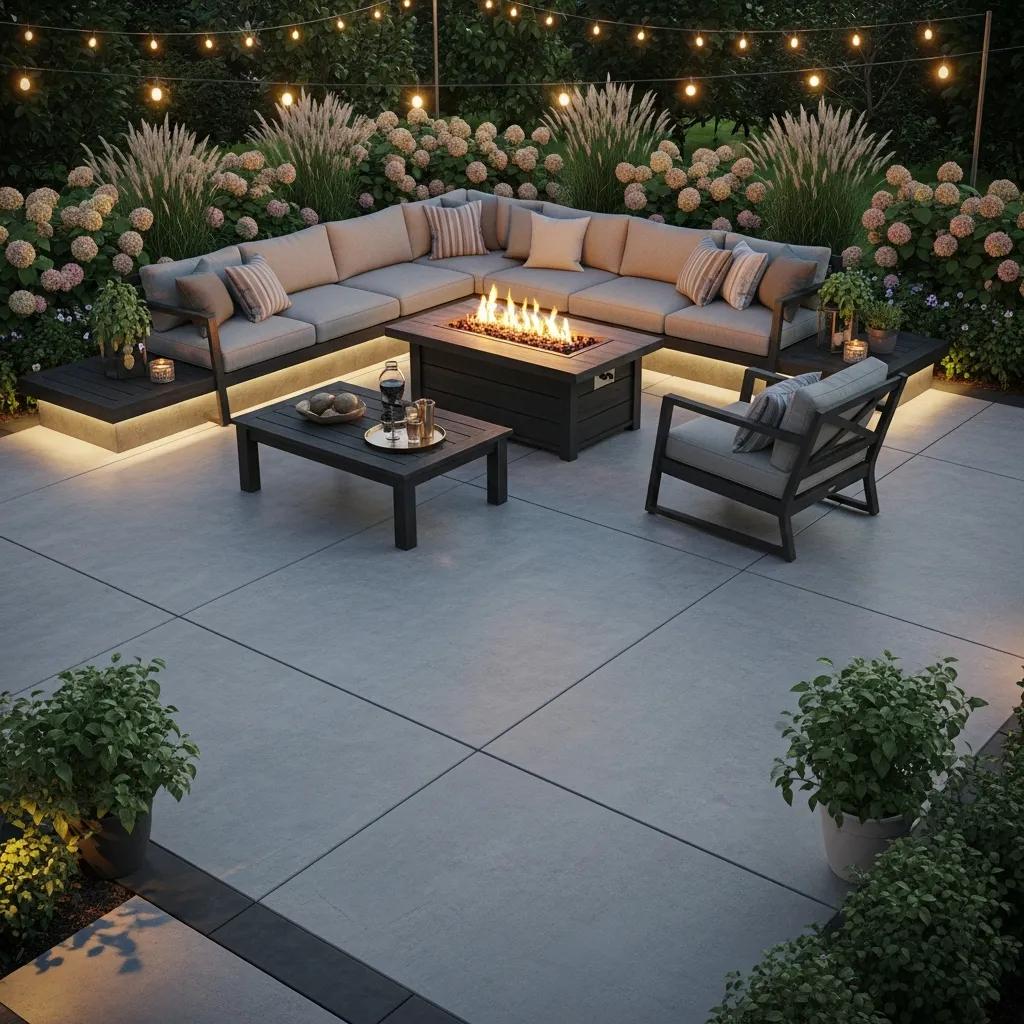
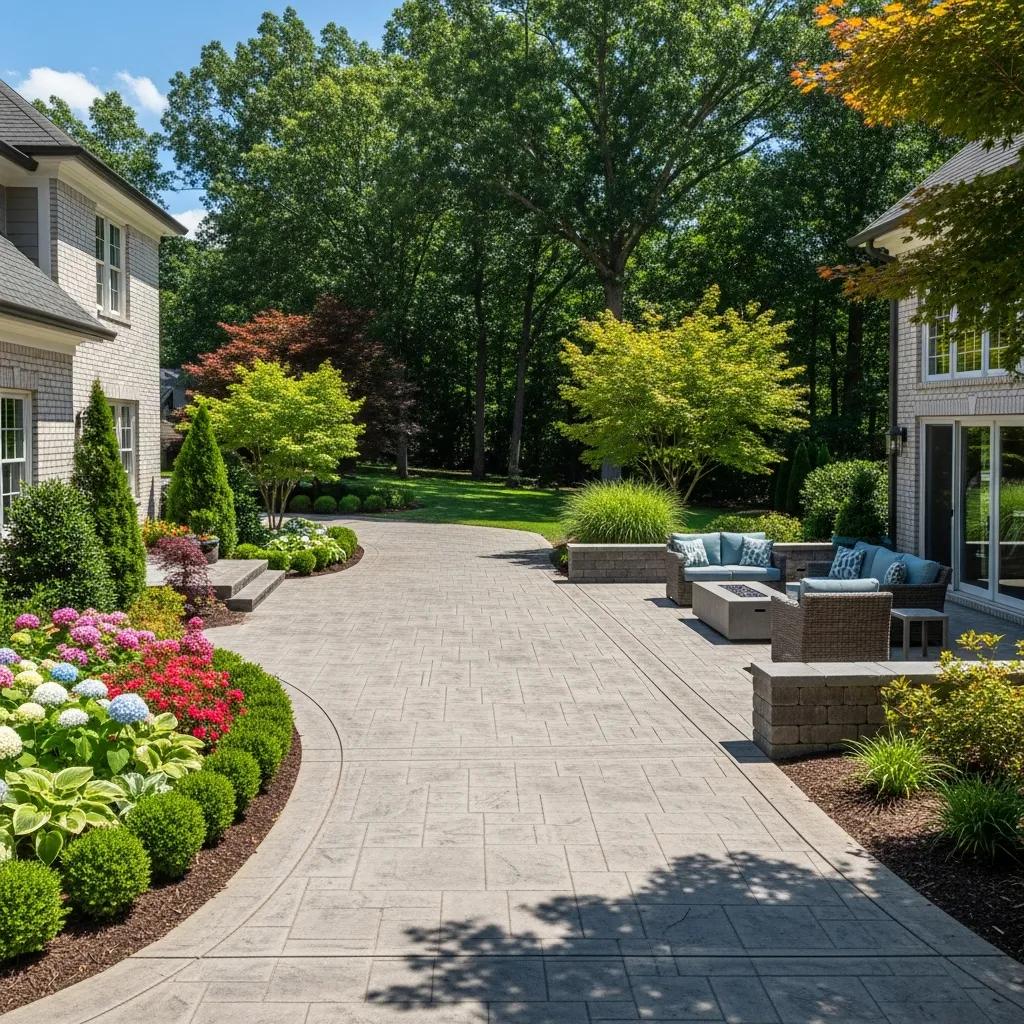
Concrete patios in Hamilton Lakes can be designed from simple broom-finish slabs to high-end stamped, stained, or exposed-aggregate surfaces that connect seamlessly to landscaping and outdoor features. Stamped or stained concrete gives a tailored look for firepit areas and seating zones while providing a monolithic surface that resists weed intrusion, and broom or textured finishes prioritize traction near pools or shaded patios. Layout choices should account for furniture loads, circulation, and gentle slope for drainage to protect adjacent foundations and plantings; integrating steps or level changes with retaining walls supports both function and aesthetics. Local concerns — like tree root proximity and the need to reroute existing drainage swales — often determine final layout and influence long-term maintenance requirements, making early site assessment critical.
How to Choose the Right Concrete Contractor in Hamilton Lakes, NC?
Selecting a contractor in Hamilton Lakes requires prioritizing verifiable credentials, local project experience, and clear written scope documents so homeowners can compare bids on apples-to-apples terms. A thorough vetting process looks beyond price to insurance coverage, documented experience with similar residential additions, references from nearby projects, and transparent communication about timelines and change orders. Requesting itemized estimates that list subgrade work, reinforcement, finishes, permit handling, and cleanup responsibilities prevents misunderstandings and supports better comparisons across bids. Understanding what to ask and what to expect reduces project risk and helps align contractor selection with neighborhood constraints and HOA or municipal permitting.
Homeowners can use this checklist when evaluating bids and interviewing local contractors.
- Verify insurance and liability coverage: Confirm contractor holds general liability and workers’ compensation and can provide a certificate of insurance.
- Request local references and photo portfolios: Review completed projects in similar neighborhoods or lot conditions to confirm workmanship.
- Compare itemized written estimates: Ensure each bid clearly lists scope, materials, reinforcement, subbase requirements, permit fees, and cleanup.
- Clarify warranties and maintenance expectations: Understand what is covered and for how long, including finish performance and crack remedies.
Using this checklist helps homeowners narrow candidates to those who understand Hamilton Lakes-specific factors like lot grades and HOA restrictions, which leads naturally into assessing credentials and experience in more detail.
What Credentials and Experience Should Hamilton Lakes Concrete Contractors Have?
Qualified contractors should carry appropriate insurance, demonstrate hands-on experience with shed slabs, RV pads, decorative finishes, and provide work examples that reflect neighborhood lot sizes and drainage realities. Insurance protects homeowners from liability and ensures work proceeds even if incidents occur, while documented experience with similar projects shows a contractor understands reinforcement, control joints, and local soil challenges. Membership in trade associations and familiarity with American Concrete Institute (ACI) recommendations signal technical competence, and asking for references or visiting recent job sites reveals how contractors manage site prep, curing, and cleanup. Confirming these credentials in writing and requesting a COI before work begins reduces project risk and sets expectations for performance and communication.
How to Evaluate Local Concrete Specialists and Companies?
Evaluating specialists involves comparing detailed scopes, inspecting past work, and clarifying logistics such as access, staging areas, and anticipated disruption to landscaping so homeowners can make informed decisions. Compare bids by reviewing the specific subgrade depths, type of subbase material, reinforcement method (wire mesh vs. rebar), finish options, and cure times; cheaper bids often omit critical prep work which leads to premature failures. Arrange site visits to completed projects to observe joint layout, edge details, and how contractors addressed drainage and slope, and ask about timeline contingencies for weather or permit delays. These evaluation steps help homeowners distinguish contractors who deliver durable, code-compliant installations from those offering short-term savings that carry long-term costs.
What Are the Installation Processes and Local Considerations for Concrete Additions?
Concrete installations follow a consistent workflow — site evaluation, excavation and subbase, formwork and reinforcement, pour and finish, and proper curing — but local considerations in Hamilton Lakes like soil type, grading, drainage, and HOA restrictions shape critical details. Proper subgrade compaction and a well-designed subbase of compacted gravel are central to slab performance because they distribute loads and prevent settlement. Reinforcement choices, control joint spacing, and the selected finish influence both structural longevity and maintenance needs. Local permitting and HOA guidelines may dictate visible finishes or placement limits, so confirming approvals before starting reduces delays and change orders.
Below is a table that outlines typical installation steps and local considerations for common concrete additions, which helps homeowners plan prerequisites and permits.
This table clarifies sequence and site-specific concerns so homeowners can discuss precise requirements with contractors; the next sections break out two common additions in more detail and provide HowTo-style steps.
How Is a Shed Slab Installed in Hamilton Lakes?
A typical shed slab in Hamilton Lakes starts with locating the slab, confirming HOA and permit needs, and excavating to a depth that allows for compaction and a stable subbase. After excavating, the contractor compacts the subgrade and places a minimum compacted gravel subbase, then positions reinforcement — commonly wire mesh or light rebar depending on expected loads — before setting forms and pouring concrete of appropriate strength. Control joints are sawed or formed to limit random cracking, and the slab is finished to match drainage needs, sloping slightly away from adjacent structures; curing for several days with moisture retention improves long-term strength. This stepwise approach reduces settlement risk and provides a durable, level base for storage buildings while meeting neighborhood placement rules and inspection checkpoints.
- Confirm location, setbacks, and permit/HOA requirements.
- Excavate and compact subgrade to required depth.
- Install compacted gravel subbase and place reinforcement.
- Pour, finish, control-joint, and cure the slab properly.
These numbered steps provide a clear HowTo framework that homeowners can use during contractor discussions and for verifying scope in written estimates.
What Are the Requirements for RV Pad Construction in Hamilton Lakes?
RV pads require a heavier structural design than standard slabs, typically involving increased thickness and reinforcement to support concentrated axle loads and recurring vehicle traffic without distress. Recommended designs often use a thicker concrete section — with heavier subbase compaction and additional reinforcement such as rebar — and specify a strengthened edge against wheel-path cracking, along with well-designed drainage that prevents water pooling and protects adjacent lawns and foundations. Access considerations include ensuring vehicle turning radii and proximity to driveways meet HOA visibility rules and municipal setback requirements; some projects may trigger permit reviews depending on local code and the pad’s impervious-area impact. Confirming these dimensional, reinforcement, and drainage requirements during planning reduces the risk of premature cracking or neighbor disputes.
How Much Do Concrete Additions Cost in Hamilton Lakes, Greensboro, NC?
Homeowners typically see price ranges driven by size, site preparation, reinforcement, and finish; as a concise guide, expect shed slabs and smaller pads to fall at the lower end of local rates while decorative driveways and complex patios carry premium costs. Cost drivers include subgrade difficulty, access for equipment, required excavation, reinforcement type, finish selection (e.g., stamped or stained adds a premium), permit fees, and disposal of existing materials. Below is a comparative EAV table that gives size-based ranges and highlights primary influences on price so readers can quickly assess likely budgets for common additions.
This table highlights how size and finish interact with material and labor to shape final costs, and homeowners should expect variation depending on site access and soil conditions. The next paragraphs break out direct cost-range guidance and list the main factors influencing estimates for quick reference.
For quick planning, typical local cost ranges and the top factors that influence final pricing include:
- Size and thickness: Larger square footage and increased slab thickness directly raise material and labor costs.
- Site prep and subgrade: Difficult excavations, poor soils, and required hauling increase project time and expense.
- Finish and reinforcement: Decorative stamping, coloring, or additional rebar add material and labor premiums.
- Permitting and disposal: Permit fees and removal of old concrete or debris are additional line items to budget for.
Understanding these drivers helps homeowners evaluate whether an apparent low bid has omitted essential prep or reinforcement that affects long-term value.
What Factors Influence the Cost of Shed Slabs and RV Pads?
Shed slabs and RV pads share many cost drivers, but pad projects typically require heavier reinforcement and thicker slabs, which materially increases concrete volume and labor compared with simple shed slabs. Factors such as access for concrete trucks and compaction equipment, the need to remove topsoil or roots, and whether a vapor barrier or subdrain is required all change labor intensity and material costs. Reinforcement choice — wire mesh versus rebar — and concrete strength specification influence material costs and finishing time, and complex site grading or restricted access may require additional equipment or manual labor that raises the estimate. Permit and inspection fees, as well as any required remediation for poor soils, are often overlooked in initial quotes but can be significant; asking bidders to itemize these elements reveals the true comparison.
How Does Pricing Vary for Concrete Driveways and Patios?
Driveway and patio pricing diverges primarily based on surface complexity and finish choices, with base poured slabs representing the most economical option and stamped, stained, or exposed-aggregate surfaces commanding premiums for labor and skill. Curved layouts, integrated steps, retaining walls, or embedded lighting increase formwork complexity and installation time, which raises costs beyond a simple rectangular pour. Decorative finishes not only add immediate expense but can deliver higher perceived value and curb appeal — a factor to weigh against budget constraints. Reviewing long-term value, a modest upgrade in finish that complements the home’s style can yield notable aesthetic returns without proportionally increasing maintenance burdens.
How Can Concrete Repair and Maintenance Extend the Life of Additions in Hamilton Lakes?
Proactive repair and routine maintenance address common failure modes such as shrinkage cracking, spalling, and settlement, and timely interventions restore function and delay full replacement. Regular maintenance strategies include cleaning to remove staining and chlorides, resealing decorative surfaces to protect against moisture ingress, and repairing isolated cracks with appropriate sealants or epoxy injections to prevent water infiltration and freeze-thaw damage. Knowing which repairs are suitable for a homeowner to perform and which require professional intervention helps prioritize spending; small surface repairs and resealing are homeowner-level tasks while mudjacking or full panel replacement typically needs contractor equipment and expertise. Implementing a seasonal maintenance schedule adapted to Greensboro’s climate helps preserve structural integrity and appearance over the long term.
This list outlines common maintenance tasks and when they should occur for Hamilton Lakes properties.
- Annual inspection and cleaning: Remove debris, check joints, and clear drainage paths to reduce deterioration.
- Reseal decorative surfaces every 2–4 years: Protects stamped, stained, and exposed aggregate finishes from weathering and staining.
- Address cracks promptly: Use crack sealers or epoxy injections for hairline cracks; consult a contractor for structural settlement.
Scheduling these tasks reduces escalation of localized damage into more costly repairs, which leads into the types of problems homeowners commonly encounter and how each is remedied.
What Are Common Concrete Problems and Repair Solutions?
Common concrete problems include hairline shrinkage cracks, settlement cracks due to inadequate subbase, surface spalling from freeze-thaw cycles or deicing salts, and uneven slabs from soil movement; identifying the symptom guides the remedy. Minor shrinkage cracks are often managed with surface sealers or flexible crack fillers, while settlement requires addressing subgrade support through mudjacking, slab replacement, or strategic stabilization. Spalling usually needs surface patching with compatible patching mortars and may require subsequent sealing to prevent recurrence, and recurring issues often indicate an underlying drainage or compaction problem that must be corrected to avoid repeated repairs. When encountering structural concerns or widespread cracking, homeowners should consult a qualified contractor for assessment and prioritized repair planning.
How to Maintain Concrete Driveways and Patios for Longevity?
A clear maintenance schedule preserves performance: clean annually, reapply sealer for decorative surfaces every few years, and inspect joints and edges after harsh winter seasons or heavy storms to catch problems early. Deicing salts should be used sparingly because repeated salt exposure can accelerate surface deterioration; instead, remove snow mechanically and use pet-safe, concrete-friendly products where possible. For decorative surfaces, follow manufacturer or contractor guidance on sealer products and reapplication intervals to maintain color and surface protection; for structural concerns, monitor cracks for growth and measure displacement to determine if professional leveling or replacement is needed. These routine steps minimize the need for major repairs and extend the service life of driveways and patios in Hamilton Lakes’ local climate.
What Decorative Concrete Finishes and Design Ideas Enhance Hamilton Lakes Properties?
Decorative concrete finishes can significantly elevate curb appeal while providing durable, low-maintenance surfaces suited to Hamilton Lakes homes; choices include stamped, stained, exposed aggregate, broom, and polished finishes, each with distinct aesthetics and maintenance profiles. Stamped concrete offers the look of pavers or stone at a lower installation time and provides a seamless surface that resists weed intrusion, while stained concrete creates long-lasting color variations for patios and entryways. Exposed aggregate delivers textured traction and hides minor imperfections, and broom finishes remain the most slip-resistant and economical. Below is an EAV-style comparison to help homeowners evaluate finish options based on use case, durability, and relative cost considerations.
This table helps match aesthetic goals to expected maintenance and relative investment, and the next subsections describe benefits and integration strategies for steps and retaining walls.
What Are the Benefits of Stamped and Decorative Concrete?
Stamped and decorative concrete deliver high visual impact by mimicking natural materials while maintaining monolithic strength and lower long-term shifting compared with segmented pavers; this combination often produces superior curb appeal per dollar. Decorative options reduce weed growth and settling seams that occur with unit pavers, and they can be tinted or antiqued to complement brick, siding, and landscaping palettes common in Hamilton Lakes. Maintenance involves periodic resealing to protect color and surface texture, and careful selection of slip-resistant patterns and sealers keeps functionality high for patios and driveways. For homeowners seeking style with structural integrity, stamped and stained concrete balance aesthetic flexibility with proven durability.
How to Incorporate Concrete Steps and Retaining Walls into Outdoor Designs?
Integrating steps and retaining walls requires attention to structural needs — adequate footings, proper reinforcement, and drainage/backfill — as much as finish selection, because poorly drained or understaked walls quickly fail. Use cast-in-place concrete for custom shapes and integrated looks where seamless transitions matter, or pre-cast units for quicker installations with standardized finishes; both require appropriate reinforcement and subsurface drainage to relieve hydrostatic pressure behind the wall. Dimensionally, steps should meet comfortable riser and tread standards and include anti-slip finishes, while retaining walls require weep holes or drained backfill and geogrid where soils are weak. Matching finishes on steps and walls to adjacent patios or driveways produces a cohesive outdoor space that performs well under Hamilton Lakes’ seasonal conditions.


0 Comments