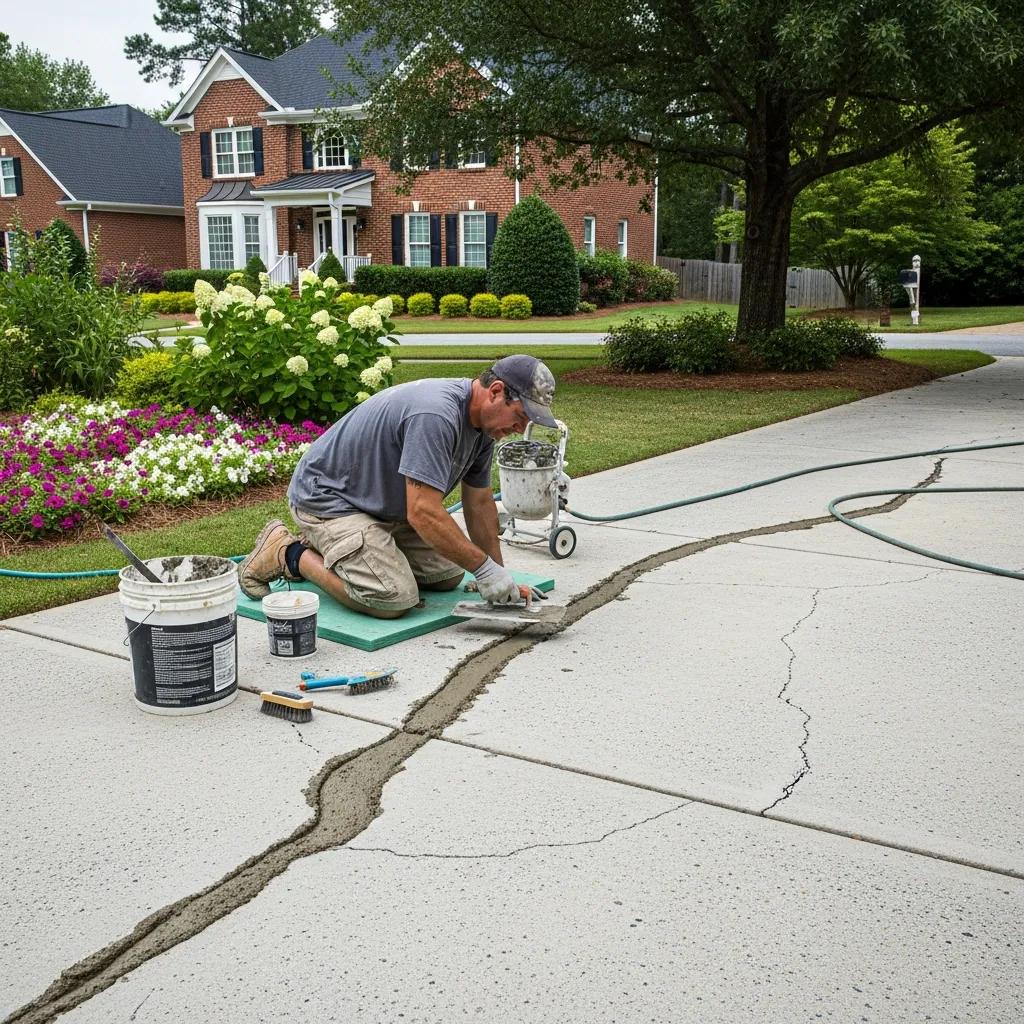
Professional Concrete Repair Solutions in Greensboro, NC
Introduction to Concrete Repair in Greensboro NC
Concrete repair in Greensboro NC is essential for maintaining the safety, appearance, and structural integrity of residential and commercial properties. The region’s unique climate and soil conditions often lead to common issues such as cracking, settling, and surface deterioration. Whether you are dealing with a cracked driveway, damaged patio, or uneven foundation slab, understanding the causes and repair options is crucial for effective restoration. This guide provides an in-depth look at the types of concrete damage typical in Greensboro, the repair processes for various surfaces, cost considerations, and expert advice on selecting the right contractor for your project.
Types of Concrete Damage in Greensboro NC
Concrete surfaces in Greensboro face several types of damage due to environmental and structural factors. Recognizing these issues early can help homeowners and property managers choose the appropriate repair method and prevent further deterioration.
Cracks
Cracks are the most visible and common form of concrete damage. They range from hairline surface cracks caused by shrinkage and temperature changes to wider structural cracks resulting from foundation movement or heavy loads. Freeze-thaw cycles in Greensboro exacerbate cracking by causing expansion and contraction within the concrete.
Spalling
Spalling occurs when the concrete surface flakes or peels away, often due to freeze-thaw damage, corrosion of embedded steel reinforcement, or poor finishing during installation. This damage not only affects aesthetics but can also expose the underlying structure to moisture and further degradation.
Heaving
Heaving is the upward movement of concrete slabs caused by expansive clay soils swelling when wet. This can create uneven surfaces, trip hazards, and stress cracks. Greensboro’s clay-rich soils make heaving a frequent concern for patios, sidewalks, and driveways.
Settling
Settling happens when the soil beneath a concrete slab compacts or erodes, causing the slab to sink or tilt. Poor subgrade preparation, organic material decomposition, or water erosion can lead to voids under slabs, resulting in uneven surfaces and structural instability.
Driveway Crack Repair Process
Repairing driveway cracks in Greensboro NC involves a systematic approach to diagnose the cause, prepare the surface, and apply the appropriate repair material to restore durability and appearance.
- Inspection and Diagnosis: A professional contractor assesses crack width, depth, and movement, as well as subgrade conditions and drainage issues.
- Cleaning and Preparation: Cracks are cleaned of debris, dirt, and loose concrete to ensure proper adhesion of repair materials.
- Repair Material Selection: For static cracks, epoxy injection is used to restore structural integrity. For hairline or surface cracks, flexible sealants like NexusPro-style products provide water resistance and accommodate minor movements.
- Application: Epoxy is injected under pressure to fill cracks internally, while sealants are applied on the surface and tooled to smoothness.
- Finishing and Curing: Repairs are allowed to cure according to manufacturer instructions, and the surface is inspected for uniformity and adhesion.
Timely driveway crack repair prevents water intrusion, freeze-thaw damage, and further deterioration, extending the life of your concrete surface.
Patio and Walkway Repair
Patios and walkways in Greensboro NC are exposed to similar environmental stresses as driveways but often require more aesthetic consideration. Repair methods focus on restoring surface integrity while maintaining appearance.
- Crack Filling and Sealing: Small cracks and joints are cleaned and filled with flexible sealants that resist UV exposure and moisture.
- Surface Patching: Spalled or chipped areas are repaired with polymer-modified mortars that bond well and match existing textures.
- Resurfacing: For widespread surface damage, thin overlays can restore uniformity and slip resistance.
- Leveling: Uneven slabs caused by settling or heaving can be lifted using foam injection or mudjacking to restore a safe, level surface.
Regular maintenance and prompt repairs keep patios and walkways safe, attractive, and functional year-round.
Slab Repair and Leveling – Mudjacking vs Foam Lifting
When concrete slabs settle or become uneven, two primary leveling methods are commonly used in Greensboro NC: mudjacking and foam lifting (PolyLevel). Each has distinct advantages and considerations.
Mudjacking
Mudjacking involves pumping a cementitious slurry beneath the slab to fill voids and raise the concrete. It is cost-effective for large areas and provides a solid base but uses heavier material that may settle over time. The process requires larger access holes and can be more invasive, with longer curing times.
Foam Lifting (PolyLevel)
Foam lifting uses expanding polyurethane foam injected under the slab to fill voids and lift the concrete. This method is lightweight, cures quickly, and causes minimal disruption. The closed-cell foam resists water infiltration, reducing future erosion risks. However, material costs are higher than mudjacking.
Choosing between mudjacking and foam lifting depends on soil conditions, slab size, budget, and desired longevity. For expansive clay soils common in Greensboro, foam lifting often provides superior long-term stability.
When to Repair vs Replace Concrete
Deciding whether to repair or replace concrete surfaces depends on the extent of damage, structural concerns, and cost-effectiveness.
- Repair is suitable when: Damage is localized, such as small cracks, minor spalling, or slight settling. Repairs can restore function and appearance without full replacement.
- Replacement is recommended when: Extensive cracking, severe spalling, widespread heaving, or foundational failure compromises safety and durability. Replacement ensures a fresh, uniform surface and addresses underlying issues.
Consulting with a qualified contractor in Greensboro NC can help evaluate your specific situation and recommend the best course of action.
Cost Factors in Greensboro Concrete Repair
Concrete repair costs in Greensboro NC vary based on several factors:
Obtaining multiple detailed estimates with clear line items helps homeowners in Greensboro NC make informed decisions and budget appropriately for concrete repair projects.
Why Choose Us for Concrete Repair in Greensboro NC
Choosing the right contractor for concrete repair in Greensboro NC is critical to ensure quality workmanship, lasting results, and peace of mind. Our team offers:
- Local Expertise: Extensive experience with Greensboro’s soil and climate challenges ensures tailored repair solutions.
- Comprehensive Services: From minor crack sealing to foundation underpinning, we provide all major concrete repair methods.
- Licensed and Insured: Full compliance with local regulations protects you and your property.
- Transparent Pricing: Detailed estimates with no hidden fees help you plan your investment confidently.
- Customer Satisfaction: Positive reviews and references demonstrate our commitment to quality and responsiveness.
- Warranties: Written guarantees on materials and workmanship provide long-term assurance.
Contact us today to schedule a free inspection and estimate for your concrete repair needs in Greensboro NC.
Frequently Asked Questions (FAQ) About Concrete Repair Greensboro NC
1. How do I know if my concrete driveway needs repair or replacement?
Small cracks and minor settling can usually be repaired effectively. However, if you notice widespread cracking, large heaves, or significant unevenness, replacement may be more cost-effective and durable. A professional inspection can provide a definitive assessment.
2. What is the typical lifespan of a concrete repair?
With proper materials and installation, repairs such as epoxy injection or foam lifting can last 10 to 20 years or more. Regular maintenance and addressing underlying soil issues extend repair longevity.
3. Can I perform concrete crack repairs myself?
While small surface cracks can be sealed with DIY kits, structural cracks and slab leveling require professional expertise and equipment to ensure safety and effectiveness.
4. How long does concrete repair take?
Repair duration varies by method and project size. Crack sealing may take a few hours, while slab leveling or foundation underpinning can take several days including curing time. Your contractor will provide a timeline during the estimate.
5. Are there warranties on concrete repair work?
Reputable contractors offer written warranties covering materials and workmanship, typically ranging from 1 to 5 years depending on the repair type. Always request warranty details before hiring.
6. How can I prevent future concrete damage?
Maintain proper drainage, avoid heavy loads on aging slabs, reseal cracks promptly, and schedule regular inspections to catch issues early. Landscaping choices that minimize root intrusion also help preserve concrete integrity.
7. What permits are required for concrete repair in Greensboro NC?
Minor repairs usually do not require permits, but extensive foundation work or slab replacement may need local approval. Your contractor can advise on permit requirements and handle the application process if needed.

0 Comments