Concrete Coloring in Greensboro, NC: Integrated Pigments for Durable and Vibrant Results
Concrete coloring alters the visual and functional character of concrete by introducing pigments, dyes, or stains so the finished surface performs and presents with intentional color. Integrated pigments, specifically, are color admixtures blended into the concrete batch so the color exists throughout the slab rather than only on the surface, which improves durability and long-term color retention. This guide explains what concrete coloring involves, compares stains, dyes, and integral pigments, and maps practical choices for Greensboro projects—balancing aesthetics, UV resistance, and maintenance needs. Readers will learn how stains react chemically, how dyes deliver vivid translucency, why integrated pigments resist wear, which services suit patios, driveways, and interior floors, and what to expect during mixing, placement, sealing, and upkeep. The article also provides cost guidance, sample price drivers, and clear maintenance checklists tailored to Greensboro’s climate and typical residential or commercial uses. Throughout, targeted terms like colored concrete Greensboro, pigmented concrete Greensboro, and concrete color options Greensboro are used to help local project planning and vendor conversations.
Achieve Durable, Vibrant Concrete with Integrated Pigments
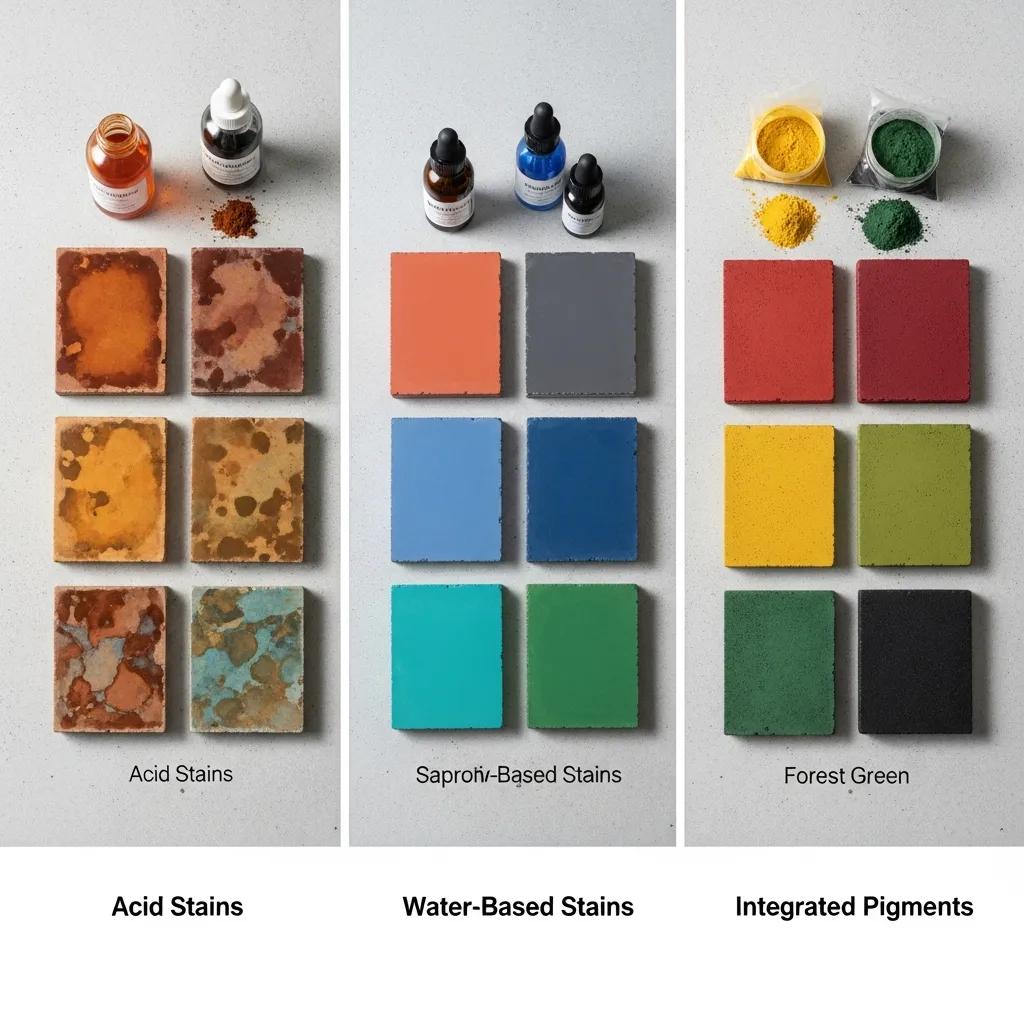
Concrete coloring encompasses surface-applied treatments such as stains and dyes and mix-integral approaches like integrated pigments, each using different mechanisms to impart color and longevity. Surface stains chemically or physically penetrate the top layer, producing variegated or translucent effects, while dyes soak into pores and deliver bright hues; integrated pigments disperse in the cement matrix to provide uniform, full-depth color that resists surface abrasion. Choosing among these methods depends on the desired aesthetic, permanence, substrate condition, and exposure—integral pigments suit heavy-wear exterior slabs, dyes excel for vivid interior overlays, and stains are ideal when a mottled, natural look is preferred. Understanding these mechanisms clarifies performance expectations and points to the right selection for patios, driveways, polished floors, or decorative overlays in Greensboro. The following table compares key attributes across common methods to help homeowners and specifiers quickly assess fit for purpose.
This comparison clarifies that integrated pigments provide full-depth appearance and durability, while stains and dyes remain valuable for decorative surface effects and specific interior looks. The next sections unpack how acid and water-based stains work and explore dyes’ capabilities and limitations.
How Do Concrete Stains Work: Acid-Based vs. Water-Based Options?
Acid-based and water-based stains both color concrete but operate by different chemical and physical principles, producing distinct aesthetics and performance footprints. Acid stains contain metallic salts that react chemically with calcium compounds in the cement matrix, creating variegated, translucent patinas that are effectively permanent because the color results from a chemical transformation rather than a surface coating. Water-based stains use finely ground pigments or polymer-based colorants that deposit color within the surface pores without reacting chemically, offering a broader color palette and reduced VOC emissions compared with traditional acid systems. Acid stains tend to produce earth-toned, marbled effects that are highly durable, whereas water-based stains allow for more consistent, saturated hues and are often chosen when color control and environmental considerations matter. Understanding these differences points directly to appropriate applications: acid stains for organic, aged stone-like finishes and water-based stains for architectural color precision and lower-emission projects.
What Are Concrete Dyes and Their Color Range Benefits?
Concrete dyes are concentrated colorants formulated to penetrate surface pores and provide vivid, translucent tones that surface stains may not achieve, especially for interior floors and decorative overlays. Dyes typically come in solvent-based or water-based carriers that transport concentrated color molecules into the concrete’s microstructure; the result is a bright, saturated hue that can be blended or layered for complex effects. Compared with stains and integrated pigments, dyes offer the broadest color range and the ability to achieve tones like bright blues, greens, and other hues that stains cannot reproduce naturally, but dyes often require careful sealing to protect color from abrasion and UV fade on exterior applications. For Greensboro interior floors or controlled environments, dyes deliver striking results, while for exterior driveways and patios, combining dye effects with protective sealing or choosing integrated pigments often yields better longevity. Consider dye selection alongside sealer choice and exposure conditions to secure desired color lifespan.
Why Choose Integrated Pigments for Greensboro Concrete Projects?
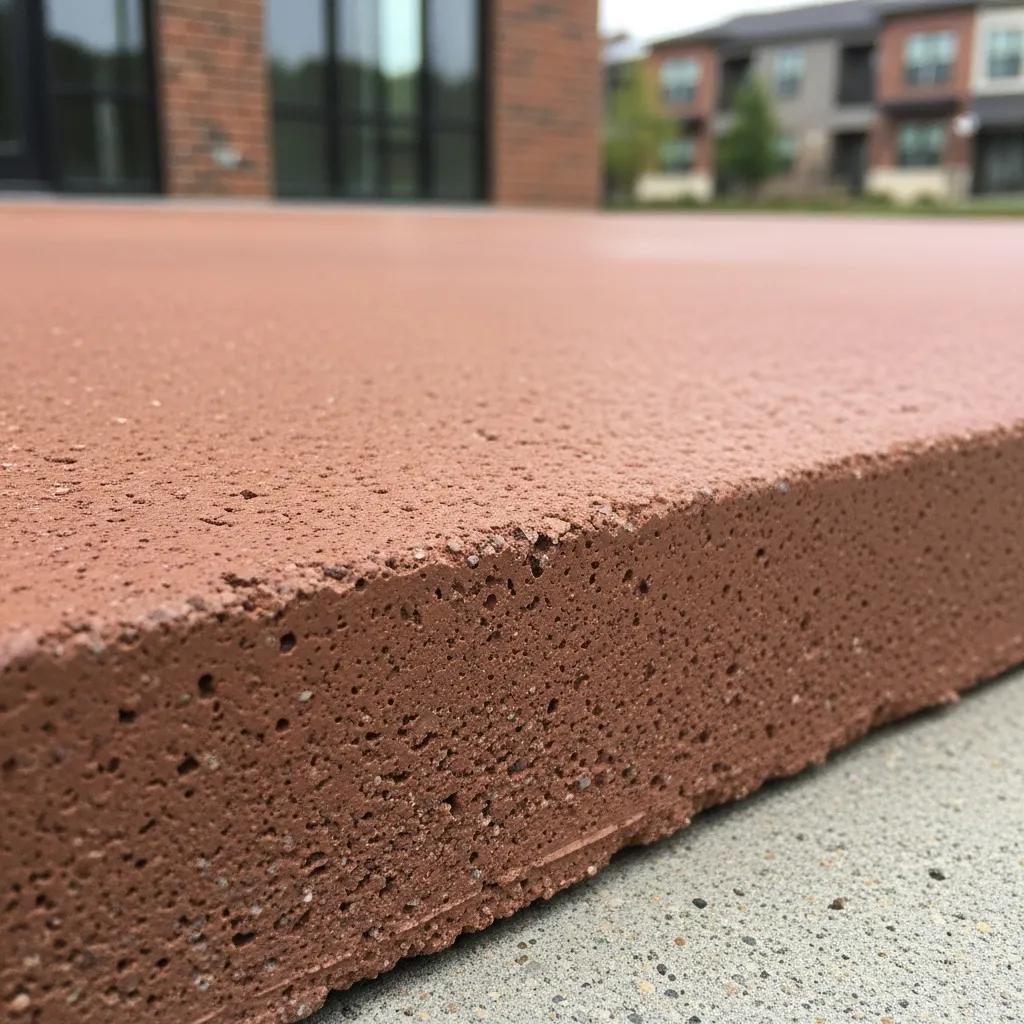
Integrated pigments offer full-depth color by dispersing inorganic or organic pigment particles into the concrete mix, which reduces reliance on surface treatments and improves long-term appearance and wear resistance in local climates. Because the pigment exists throughout the cement matrix, scratches, chips, and surface wear reveal the same color beneath, diminishing the visual impact of minor damage and reducing the frequency of aesthetic touch-ups compared to surface-applied colorants. Integrated pigments are particularly effective for high-traffic driveways, garage floors, and commercial slabs where abrasion and vehicle fluids can degrade surface coatings; they also integrate well with stamping, broom finishes, and polished concrete to achieve consistent color with varied textures. Additionally, integrated pigments can be matched or blended to architectural palettes common in Greensboro projects, letting designers specify earth tones, soft neutrals, or deeper accent shades while controlling intensity through dosing and cement color. For those prioritizing long-term value and consistent appearance, integrated pigments represent a durable choice that balances initial cost with reduced maintenance and superior color retention.
Integrated pigments provide multiple performance advantages:
- Uniform, full-depth color that hides chips and wear.
- Enhanced fade resistance when inorganic pigments are used.
- Compatibility with varied finishes such as polished, stamped, or textured surfaces.
These benefits make integral pigment selection a practical decision for homeowners and specifiers who want stable color and lower maintenance over the service life of a slab. The next subsections describe the technical durability mechanisms and customization options that make integrated pigments effective for Greensboro projects.
How Do Integrated Pigments Provide Lasting Durability and Fade Resistance?
Integrated pigments deliver lasting durability because pigment particles—especially inorganic iron oxides—are chemically stable, UV-resistant, and dispersed throughout the concrete matrix, so surface abrasion does not remove color entirely. The mechanism is simple: pigments become entrained in the cement paste during batching and are locked within hydrated cement phases as the matrix cures, which reduces the effect of surface wear on visible color compared with topical stains or coatings. Inorganic pigments like iron oxides and certain mineral pigments are preferred for exterior applications due to their proven UV stability and resistance to chemical breakdown, while some organic pigments may be appropriate for indoor uses where UV exposure is limited. Performance indicators in Greensboro projects include minimal fading under sunlight, consistent color across large pours when dosing and mixing control are tight, and lower lifecycle maintenance costs because re-coloring or frequent surface recoats are rarely necessary. Proper specification of pigment type and dosage, combined with consistent mix design, secures these durability outcomes.
What Design and Color Customization Does Integrated Pigment Offer?
Integrated pigments enable a wide range of design choices through custom blends, color charts, and by adjusting cement color and finish to affect final appearance, giving architects and homeowners substantial control over palette and texture. Designers can specify single-pigment mixes for uniform tones or blend multiple pigments for subtle warmth or depth; pairing pigment choices with finish options—polished for sheen and richness, matte or broom for a subdued tone—further tunes the perceived color. While integral pigments provide consistent base color, the final intensity still depends on cement color, aggregate exposure, and finishing technique, so sample panels and mock-ups are essential to confirm expectations before full placement. For Greensboro projects aiming for modern neutrals or classic terracotta and slate tones, integrated pigment systems offer repeatable color outcomes that coordinate with landscaping and façade materials. Effective customization combines pigment selection, mix control, and finish specification to produce the intended aesthetic with predictable results.
Which Concrete Coloring Services Are Available in Greensboro, NC?
Greensboro projects can access a range of concrete coloring services that apply stains, dyes, integrated pigments, and decorative overlays depending on substrate, budget, and design goals, from residential patios to commercial floors. Service providers typically offer color consultation, sample panel creation, pigment dosing and batch control for integral color, surface preparation for stains and dyes, stamping and texturing, and sealing to protect the finished surface—allowing clients to select solutions calibrated to exposure and desired lifespan. Choosing the right service depends on the application: patios and driveways often benefit from integrated pigments for durability, interior polished floors may use dyes or integral pigments for depth and sheen, and overlays or stamped finishes can combine surface color techniques with integral color for layered effects. The table below maps typical applications to recommended methods, expected durability, and maintenance profiles to help homeowners and specifiers evaluate trade-offs.
This mapping demonstrates how method selection aligns with functional needs and long-term upkeep expectations for Greensboro installations. The next subsections highlight specific benefits for patios and driveways to aid project-level decisions.
How Are Patios and Outdoor Spaces Enhanced with Pigmented Concrete?
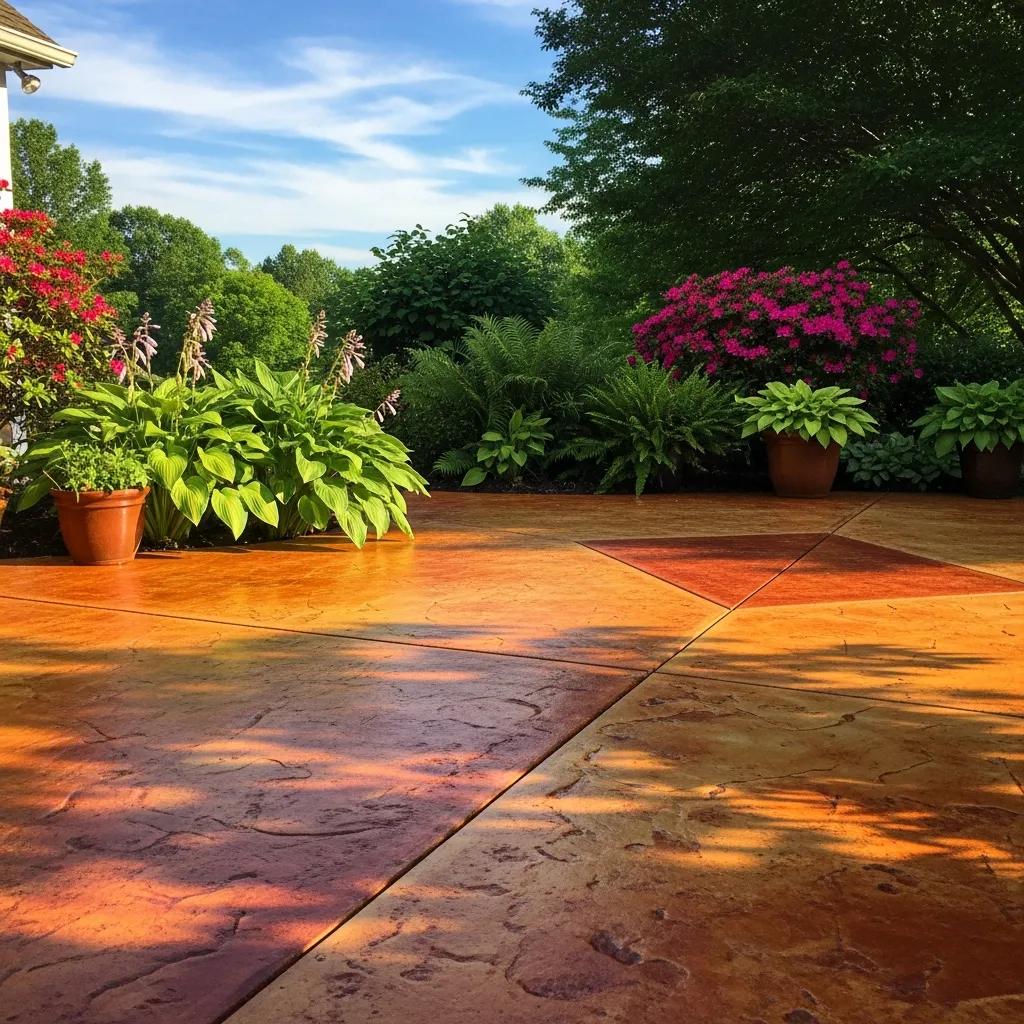
Patios and outdoor living spaces gain continuity and built-in color stability when integrated pigments are specified, producing uniform tones that complement landscaping and architectural finishes while enduring weather cycles. Integral color reduces the visibility of chips and foot-traffic wear, while finish choices—broomed for slip resistance or stamped to mimic pavers—affect the perceived color depth and sheen; selecting a UV-resistant pigment and proper sealer is critical for sustained outdoor performance in Greensboro’s sunlight. Additionally, integrated pigments allow homeowners to coordinate patio color with surrounding hardscapes, stone veneers, or planting schemes without relying on periodic surface recoats, simplifying long-term maintenance. To secure intended outcomes, providers should use sample panels and consistent batch control during placement, ensuring the patio achieves both the intended aesthetic and functional slip-resistance for safe outdoor use.
What Are the Benefits of Colored Driveways and Walkways?
Colored driveways and walkways using integrated pigments offer superior longevity and curb appeal by embedding color uniformly through the slab, reducing the visual impact of tire wear, oil stains, and minor repairs compared with surface-only color systems. Because the color exists throughout the concrete, small chips and abrasion reveal the same tone as the surface, making repairs and patched areas blend more easily and minimizing noticeable blemishes over time. Design considerations include choosing pigments and sealers that tolerate vehicle fluids and selecting finishes that balance texture for traction with ease of cleaning; periodic sealing preserves color and stain resistance while simplifying spot-cleaning. For Greensboro homeowners seeking elevated curb appeal with manageable maintenance, integral pigments represent a practical investment that pairs aesthetic value with functional resilience.
What Is the Concrete Coloring Process Using Integrated Pigments?
The integrated pigment coloring workflow follows a clear set of stages—consultation, color selection, batch mixing with precise dosing, placement with consistent mix control, finishing, curing, and sealing—each step influencing final color uniformity and durability. Early-stage sample panels and mock-ups establish expectations for pigment concentration, cement color interactions, and finish effects, while strict batching and mixer protocols maintain color consistency across multiple loads; this technical control prevents color banding and uneven tones in large pours. During placement, consolidation and finishing techniques affect texture and perceived color intensity, and curing protocols (moist curing or curing compounds) ensure proper hydration and pigment fixation within the matrix. Finally, selecting a compatible sealer for the exposure—film-forming for enhanced sheen or penetrating for a natural look—protects the surface and can improve UV defense for exposed installations. The numbered steps below summarize the essential workflow for integrated pigment projects and serve as a practical checklist during planning and execution.
- Consultation and color selection with sample panel approval.
- Batch design and precise pigment dosing per manufacturer guidance.
- Consistent mixing and placement to avoid color banding across pours.
- Finishing, curing under controlled conditions, and timing of sealing.
- Final sealing with appropriate sealer selection and recoat schedule.
How Does Surface Preparation Affect Pigment Integration?
Although integrated pigments color the concrete through the entire section, surface preparation and base conditions still influence final appearance, especially when overlays or surface treatments are combined with integral color. Key preparation items include ensuring consistent substrate materials, verifying mix design components (cement color, aggregate blend), and preparing formwork and placement plans that maintain uniform consolidation and finishing practices across the slab. Improper base compaction, inconsistent batching, or varied water content between loads can create color variation or banding that appears as visual inconsistencies despite integral pigment use, so quality control during batching and on-site testing is essential. Paying attention to these preparation steps reduces the risk of post-placement corrective measures and preserves the intended look and performance for Greensboro installations.
What Are the Steps for Pigment Application and Sealing?
Applying integrated pigments begins at the batching stage—measure and add pigments per manufacturer dosing, perform trial mixes on sample panels, and adjust for cement color or environmental conditions before production pours commence. During placement, maintain consistent slump and consolidation, apply finishing methods appropriate to the specified texture, and allow recommended curing time before applying sealers; this sequencing ensures pigment stability and prevents discoloration caused by premature sealing. For exterior installations, choose UV-resistant film-forming sealers when sheen and stain protection are priorities, or select penetrating sealers for low-profile protection while preserving texture; timing for first seal typically ranges from several days to a few weeks depending on curing and product instructions. Finally, establish a scheduled reseal interval based on exposure and sealer type to extend color life and protect the surface against stains and wear.
How Much Does Concrete Coloring Cost in Greensboro, NC?
Concrete coloring costs vary by method, area size, surface condition, and design complexity, with integral pigments generally commanding higher initial material and batching-control costs but delivering lower lifecycle maintenance expenses than surface-only options. Typical per-square-foot guidance (indicative ranges) helps set expectations: surface stains and dyes for interior or small decorative areas often fall into moderate per-sq-ft ranges due to labor-intensive surface prep, while integrated pigments for new pours typically add a premium for pigment materials and stricter batching control but reduce future re-coating costs. Factors that influence final price include the amount of surface repair required, access and formwork complexity, finish type (polished vs stamped), sealant choice, and whether sample panels and mock-ups are needed. The table below breaks down common cost drivers and provides sample range indicators to help homeowners and specifiers budget for Greensboro projects.
This breakdown clarifies that while integrated pigments raise initial material and quality-control costs, they often reduce long-term repainting or recoating expenses, improving lifecycle value for many projects.
What Factors Influence the Price of Pigmented Concrete Installation?
Several variables determine installation price: slab area size and geometry, existing substrate condition requiring removal or repair, the level of finishing detail, required sample panel approvals, and access constraints that affect labor productivity. Surface repairs or remediation can become the largest single cost item when existing slabs are cracked or deteriorated, while complex stamped patterns, custom color blends, or precise color matching increase labor hours and quality-control steps during batching. Sealer selection also affects upfront cost—high-performance UV-resistant film-forming sealers are more expensive but extend recoat intervals—and finishing preferences like polishing require additional specialized labor and equipment. Evaluating these factors early allows owners to target the appropriate method—surface colorant, dye, or integrated pigment—based on budget, expected service life, and aesthetic goals.
Why Is Integrated Pigment a Long-Term Investment?
Integrated pigments often represent a long-term investment because the color is embedded throughout the concrete, reducing the frequency and cost of aesthetic maintenance over a structure’s lifespan compared with surface-applied systems. When factoring lifecycle costs, integral color lowers the need for periodic re-coloring or surface recoating and simplifies repairs since new material shares the same base color as the original slab. For homeowners and facility managers evaluating total cost of ownership, integrated pigments typically yield lower cumulative maintenance costs over 5–10 years, improve resale and curb appeal, and reduce downtime associated with frequent surface treatments. Selecting durable, UV-stable pigments and compatible sealers at the outset secures these savings, particularly in high-traffic or exterior applications common in Greensboro.
How Do You Maintain and Protect Colored Concrete in Greensboro?
Maintaining colored concrete centers on routine cleaning, selecting appropriate cleaners and sealers, and following a recoat schedule tailored to exposure and sealer type—practices that preserve color and protect finish against local weather and use patterns. Regular maintenance prevents buildup of dirt, oil, and biological growth that can dull color, while timely resealing restores stain resistance and sheen; neutral pH cleaners and non-abrasive tools are recommended to avoid stripping sealers or discoloring the surface. Understanding local conditions—sun exposure, freeze-thaw cycles, and landscaping runoff—helps determine sealer type and reseal frequency to keep pigments performing as intended. The checklist below summarizes best-practice maintenance actions for pigmented concrete surfaces in Greensboro.
Maintenance checklist for pigmented concrete:
- Use pH-neutral cleaners and soft brushes for routine washing.
- Remove oil and chemical stains promptly with manufacturer-recommended cleaners.
- Reapply film-forming sealers or penetrating sealers per product intervals.
- Protect high-wear areas with mats or designated pads to reduce abrasion.
- Inspect annually for signs of sealer wear, cracking, or staining.
What Are Best Practices for Maintaining Pigmented Concrete Surfaces?
Best practices include routine washing with gentle, pH-neutral detergents, immediate attention to oil or chemical spills to prevent staining, and avoiding harsh solvents or abrasive cleaners that can degrade sealers and alter appearance. Protective measures such as mats at high-traffic entries, furniture pads indoors, and recommended snow/ice control products avoid premature surface damage and preserve sealer integrity in Greensboro’s seasonal conditions. Schedule professional inspections and resealings according to sealer manufacturer guidance and observed wear; proactive maintenance reduces the scope of corrective repairs and sustains aesthetic appeal. Those strategies collectively maintain color uniformity and prolong the functional life of pigmented concrete installations.
How Does Proper Sealing Extend Color Longevity?
Proper sealing extends color longevity by creating a protective layer that resists staining, abrasion, and UV-induced fading; choosing the right sealer—penetrating versus film-forming—depends on desired sheen, slip resistance, and maintenance cadence. Film-forming sealers provide a visible protective film that enhances sheen and offers strong stain resistance but typically require periodic reapplication to prevent wear-through, whereas penetrating sealers preserve a natural look and require less aesthetic maintenance but may offer lower surface-level stain protection. For exterior Greensboro exposures, selecting a sealer with UV inhibitors and following a recommended recoat schedule—often every 2–5 years depending on traffic and climate—helps maintain color and reduces the need for more extensive restorative work. Combining the correct sealer with integrated pigments produces a balanced system that protects both color and substrate performance for the long term.


0 Comments