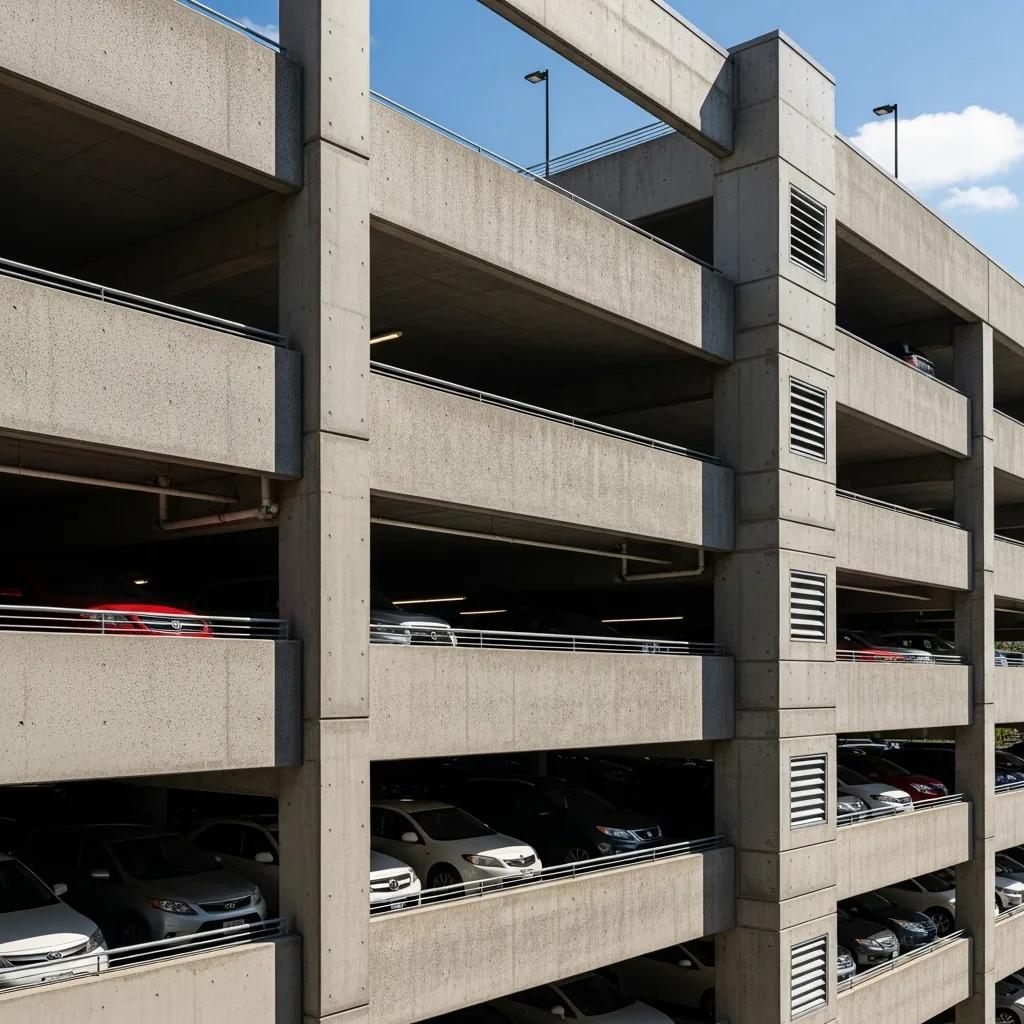
Concrete Parking Garages in Greensboro, NC: Expert Construction and Repair Solutions
Concrete parking garages in Greensboro, NC are engineered parking facilities—ranging from single-level surface lots to multi-level parking structures—designed to support repeated vehicular loads while managing water, freeze-thaw cycles, and heavy traffic. This guide explains how parking deck concrete Greensboro projects are planned, constructed, repaired, and maintained to maximize safety and lifespan in the local climate. Owners and facility managers will learn how different garage types perform, the construction steps required for durable decks, common failure modes such as spalling and rebar corrosion, repair options, preventive maintenance strategies, and cost drivers that influence project budgets. The article maps practical inspection best practices, coatings and waterproofing choices, and how to evaluate contractors for parking garage construction and repair in Greensboro. Throughout, keywords like Greensboro parking garages, parking deck repair Greensboro, and parking garage construction Greensboro are used to connect readers to local considerations, material choices, and decision points that influence long-term performance.
What Are the Key Types of Concrete Parking Garages in Greensboro?
Concrete parking garages in Greensboro typically fall into a few primary categories defined by structure and use. Multi-level parking garages are vertical structures with stacked deck slabs supported by columns and beams; surface parking lots are single-level, grade-level paved areas optimized for simplicity and low cost; structured decks are intermediate options—such as podium or split-level decks—that combine site efficiency with fewer stories. These types differ in footprint efficiency, per-space cost, and lifecycle maintenance needs, and choosing among them depends on site constraints, zoning, and expected traffic patterns in Greensboro. The next section compares multi-level and surface solutions to help owners match a garage type to urban or suburban scenarios.
Multi-level and surface options each present trade-offs in land use and maintenance that influence lifecycle cost and performance.
How Do Multi-Level and Surface Parking Garages Differ?
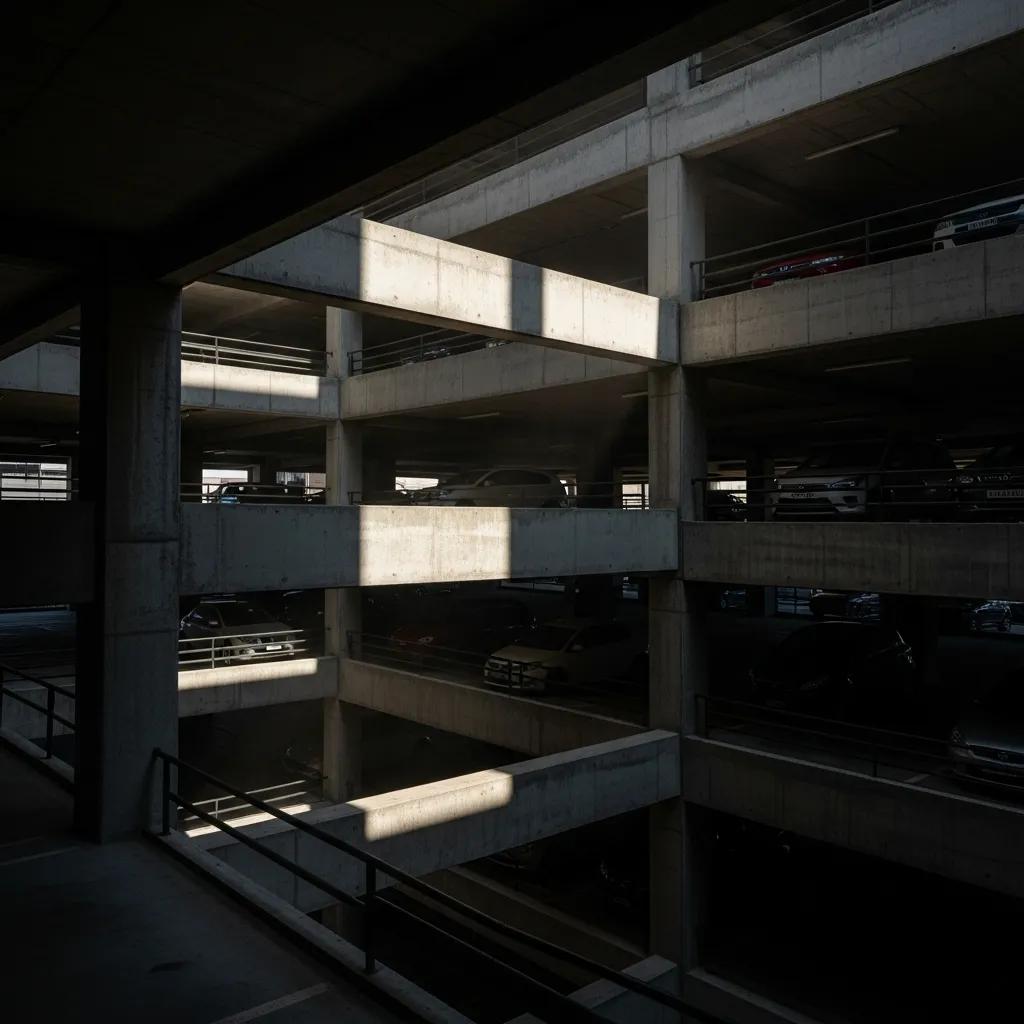
Multi-level parking garages concentrate parking vertically, saving land while increasing structural complexity and construction cost per square foot. Structurally, multi-level decks require reinforced concrete slabs, beams, and columns designed for dynamic vehicular loads and lateral forces, which necessitates higher initial investment but yields more spaces per acre in downtown Greensboro where land is scarce. Maintenance needs differ: multi-level garages require regular joint, membrane, and drainage upkeep to prevent water ingress and rebar corrosion, whereas surface lots face asphalt or concrete resurfacing and drainage grading but usually lower structural repair complexity.
Understanding these differences informs decisions about site economics, expected traffic capacity, and long-term repair planning for parking deck concrete Greensboro projects.
These structural and maintenance contrasts lead directly to the specific local challenges parking structures face in Greensboro’s climate and traffic conditions.
What Common Challenges Affect Greensboro Parking Structures?
Greensboro parking garages are exposed to freeze-thaw cycles, deicing salts, heavy commuter traffic, and occasional ponding, all of which accelerate concrete deterioration through mechanisms such as spalling, cracking, and corrosion of embedded reinforcement. Spalling often begins where chlorides reach rebar, causing expansion and concrete delamination; cracks can propagate from thermal movements, loading cycles, or shrinkage, compromising waterproofing and surface coatings. Drainage system failures and clogged scuppers increase localized saturation and magnify freeze-thaw damage, while inadequate joint detailing shortens service life. Recognizing these failure modes helps prioritize inspection items and informs both repair selection and preventive maintenance plans that will be discussed in later sections.
Understanding these common failure mechanisms sets the stage for describing how parking decks are designed and constructed to resist them.
How Is Concrete Parking Deck Construction Executed in Greensboro?
Concrete parking deck construction in Greensboro follows a phased, engineering-driven process that begins with site assessment and ends with protective coatings and drainage commissioning.
Key construction elements include the deck slab, reinforcement layout, expansion joints, support columns, and drainage systems, each specified to local load and climate conditions.
The following EAV table compares core construction elements, their typical materials, life expectancy considerations, and cost implications for Greensboro projects to guide specification and budgeting.
This comparison makes clear where material upgrades increase life expectancy and which elements carry larger cost impacts during construction.
What Are the Steps in Building Durable Parking Garages?
Building a durable parking garage begins with site and subsurface assessment to determine soil bearing, groundwater, and remediation needs, followed by foundation and subgrade preparation to provide even support under heavy loads. Concrete placement follows with controlled mixes, reinforcement installation, and vibration/compaction practices to minimize voids and shrinkage; curing regimes and concrete admixtures reduce early-age cracking and improve durability. After structural concrete, installers apply membranes, coatings, and install expansion joints, drains, and guardrails, with staged quality control inspections at each milestone. Final commissioning includes load testing, drainage verification, and documentation of maintenance needs to ensure the facility performs as designed.
Which Advanced Concrete Technologies Enhance New Builds?
Advanced technologies that improve parking deck longevity include high-performance concrete mixes with supplementary cementitious materials, corrosion inhibitors, and low-permeability admixtures to resist chloride ingress. Fiber reinforcement (synthetic or steel) reduces cracking and enhances toughness, while epoxy-coated or stainless reinforcement mitigates rebar corrosion risk in salt-exposed decks. Surface technologies such as polymer-modified overlays, breathable waterproofing membranes, and high-performance traffic coatings extend service life and simplify maintenance. Specifying these materials during design, coupled with rigorous environmental and curing control during construction, yields parking structures that require fewer structural repairs and lower lifecycle costs.
Expert Concrete Parking Garage Construction & Repair in Greensboro NC
Repair and restoration services for Greensboro parking garages address surface deterioration, structural cracking, rebar corrosion, and joint failures with methods tailored to damage severity and traffic disruption tolerance.
Typical service categories include epoxy injection for structural cracks, patching and repair mortars for spalling, joint replacement for failed seals, and overlays or membrane reinstatement for waterproofing.
The following EAV table compares repair methods by use-case, expected lifespan extension, and typical disruption levels so owners can weigh options against downtime and budget.
This comparison clarifies trade-offs between structural restoration and surface treatments used in Greensboro parking deck repair projects.
How Are Concrete Cracks, Spalling, and Corrosion Addressed?
Concrete cracks are repaired using methods matched to their cause: non-structural hairline cracks may be sealed with flexible sealants, while structural cracks often require epoxy injection to restore continuity and load transfer. Spalling is addressed by removing delaminated concrete, cleaning and treating exposed rebar (mechanical cleaning and corrosion inhibitors), and applying repair mortars or patching systems formulated for bond and shrinkage compatibility. Corroded reinforcement may require cathodic protection or localized replacement with epoxy-coated rebar, coupled with protective overlays or membranes to limit future chloride penetration. These repair choices improve safety and longevity when combined with quality surface preparation and compatible materials.
What Specialized Repair Techniques Are Used in Greensboro?
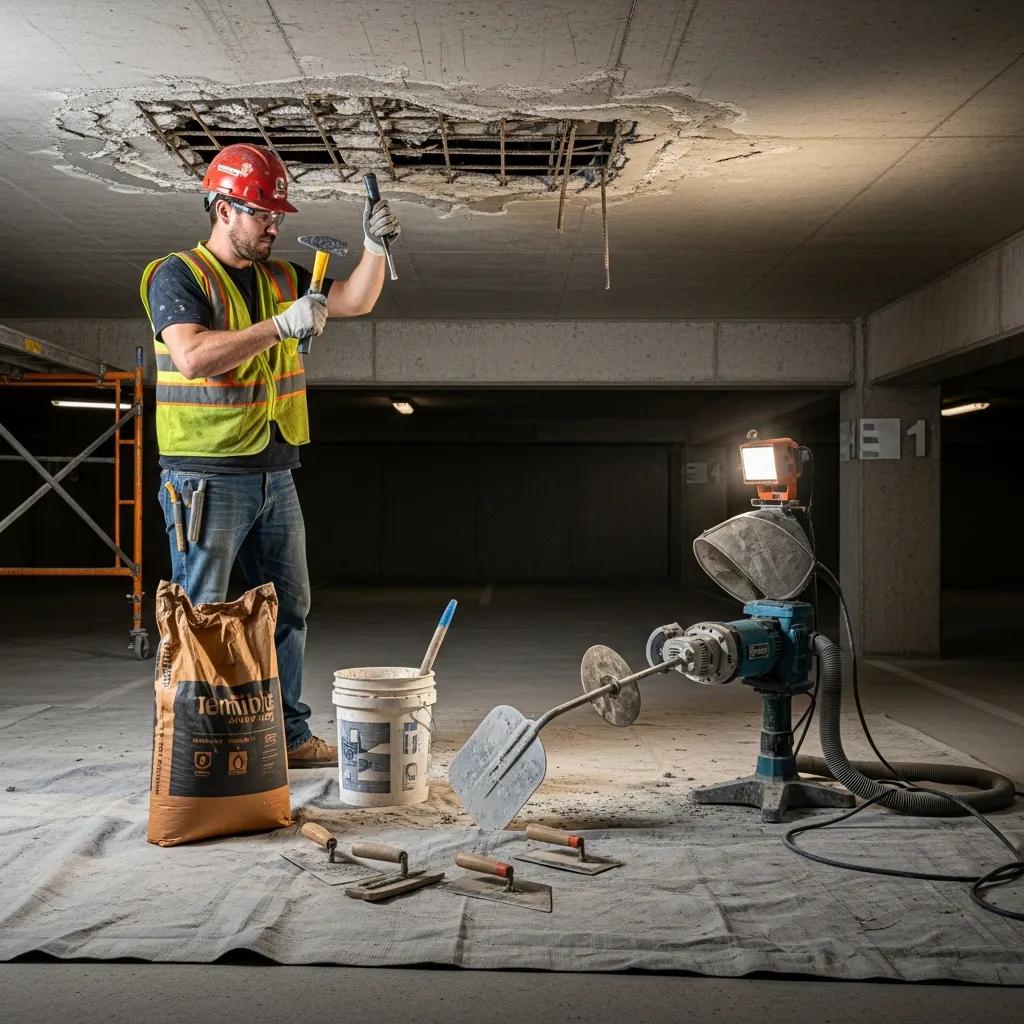
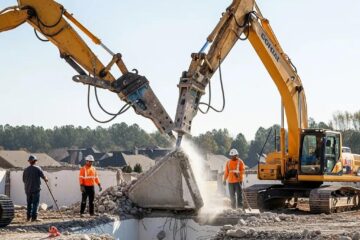
Specialized techniques used in Greensboro include hydro-demolition for selective removal of unsound concrete without damaging sound substrate, precision epoxy or polyurethane injections for active leaks, and polymer-modified overlays that combine waterproofing with wear resistance for rooftop decks. Contractors may employ cathodic protection systems for large-scale corrosion control, or use lightweight patching materials in areas where reducing added dead load is desirable. Each technique has pros and cons—hydro-demolition minimizes vibration but requires containment, while overlays provide fast turnaround but depend on excellent surface prep. Consulting a structural engineer is recommended when repairs involve load-bearing elements or extensive rebar remediation.
After outlining repair options, the next section covers preventive maintenance approaches that reduce the need for these specialized repairs.
How Can Preventive Maintenance Extend the Lifespan of Greensboro Parking Structures?
Preventive maintenance for Greensboro parking structures is a program of scheduled inspections, timely minor repairs, and protective treatments that together slow deterioration and preserve structural capacity. Regular inspections document surface condition, joints, drainage, and evidence of corrosion; timely resealing of joints and reapplication of coatings prevents water ingress that leads to costly structural repairs. Implementing a maintenance plan with an inspection cadence tied to exposure—annual visual checks and more detailed biennial assessments—reduces lifecycle costs and safety risks.
A structured maintenance schedule provides the records and triggers needed to plan repairs before they become emergencies.
- Annual visual inspection for surface distress, drainage function, and joint condition.
- Biennial hands-on inspection including sounding for delamination and drain cleaning.
- Every 5–7 years: recoat traffic surfaces or apply overlays where wear is observed.
What Coating and Waterproofing Solutions Improve Durability?
Coating and waterproofing solutions for parking decks include cementitious waterproofing, epoxy and polyurethane traffic coatings, silane/siloxane penetrating sealers, and sheet or liquid-applied membranes integrated with drainage systems. Epoxy and polyurethane coatings offer durable vehicular wear resistance and chemical tolerance, while cementitious systems provide robust waterproofing for rooftop decks under overlays. Penetrating silane/siloxane treatments reduce chloride ingress in concrete by chemically modifying the pore structure without altering surface texture. Selecting coatings depends on traffic frequency, UV exposure, slip-resistance needs, and future maintenance cycles; integrating proper drain detail and slope is essential to ensure these systems perform as intended.
How Are Regular Inspections and Maintenance Plans Structured?
A practical inspection and maintenance plan for parking garages includes a checklist for surface condition, joint integrity, drainage clearances, lighting and signage, and evidence of corrosion or staining. Records should document date, findings, measured delamination areas, and recommended actions, with trigger points defined for minor repairs versus structural assessment—e.g., visible rebar or extensive delamination triggers immediate engineering review. Contracting options range from scheduled service agreements with local contractors to on-call inspections after major weather events; whichever path is chosen, consistent documentation improves budgeting and long-term preservation. Implementing this plan reduces emergency repair frequency and supports data-driven capital planning for parking deck repair Greensboro projects.
What Are the Costs and Benefits of Commercial Concrete Repair in Greensboro?
Commercial concrete repair in Greensboro involves balancing direct cost drivers—labor, materials, access, permits, and traffic control—against benefits such as improved safety, extended service life, and reduced liability. Repairs that restore structural capacity or watertightness typically offer strong ROI compared with full replacement, particularly when preventive measures have been performed.
The following EAV table breaks down common cost drivers and links each to quantifiable benefits like years of service extension and reduced incident risk to help facility owners prioritize projects.
After the table we discuss practical guidance for obtaining accurate local estimates and timing repairs to maximize value.
Which Factors Influence Parking Garage Repair Pricing?
Repair pricing varies with the severity and scope of damage, required access methods, traffic control complexity, and chosen materials or system warranties. Structural repairs that involve rebar replacement or cathodic protection command higher labor and material costs than surface patching or joint resealing, while rooftop decks often need more specialized membranes and coatings. Site logistics—such as downtown restrictions, staging limits, or required night work—drive up mobilization and traffic control costs. To get accurate pricing, request detailed line-item estimates that separate material, labor, traffic control, and contingency so owners can compare proposals on an apples-to-apples basis.
How Does Timely Maintenance Benefit Parking Facility Safety?
Timely maintenance reduces trip-and-fall hazards, vehicle damage from deteriorated surfaces, and structural risks posed by unchecked corrosion—thereby lowering incident rates and potential liability exposure. Regular upkeep preserves signage and lighting, improving user confidence and compliance with safety expectations; it also reduces emergency repair premiums by allowing planned, phased work instead of disruptive full closures. Quantitatively, small annual maintenance investments often delay major capital replacement by years, delivering net savings over a facility’s lifecycle and improving predictable budgeting. Facility managers who prioritize timely maintenance therefore enhance safety metrics while managing total cost of ownership.
Where Can You Find Trusted Contractors for Parking Garage Services in Greensboro?
Finding trusted contractors for parking garage services in Greensboro requires vetting local firms for relevant parking-structure experience, licenses, insurance, and a documented portfolio of similar projects. Ask prospective contractors for references, detailed project scopes, photo documentation of before/after repairs, and clarification on warranties and post-project maintenance support. Local experience matters because Greensboro-specific considerations—like freeze-thaw exposure and municipal permitting—affect both specification and execution quality. The list below outlines key selection criteria and leads naturally to questions to ask during vetting and bidding rounds.
- Check for a documented portfolio of parking deck projects and client references.
- Verify appropriate licensing, bonding, and insurance for commercial construction in North Carolina.
- Request detailed scopes, schedules, warranties, and post-repair maintenance plans.
What Qualities Define a Reliable Concrete Contractor in Greensboro?
Reliable contractors demonstrate a combination of technical expertise in concrete restoration, documented parking-structure experience, transparent scope and pricing, and robust safety and quality-control programs. Look for firms that provide engineering-backed repair strategies, clear staging and traffic control plans, and material warranties that match the repair method—this reduces ambiguity and aligns expectations. Requesting documentation such as project photos, material specifications, and insurance certificates supports due diligence and helps validate a contractor’s claims. Prioritizing these qualities ensures repairs are executed with minimal disruption and with systems that integrate into a longer-term maintenance plan.
How Do Local Businesses Specialize in Parking Structure Construction and Repair?
Local businesses typically specialize by service bundle: some focus on full structural restoration and cathodic protection, others on coatings and waterproofing overlays, and some on new-build multi-level construction and associated site logistics. Restoration specialists concentrate on diagnosis, rebar remediation, and structural repair systems, while coating specialists provide traffic-bearing overlays and membrane integrations; new-build contractors coordinate design, permitting, and multi-disciplinary trades. For projects requiring both structural diagnosis and complex coatings, teaming a restoration specialist with a general contractor or structural engineer yields comprehensive outcomes. Matching the contractor’s specialization to the project scope ensures that repairs or builds are performed by teams with the right experience and equipment.
Project matching and careful vetting complete the decision process for owners seeking durable, code-compliant parking solutions in Greensboro.

0 Comments