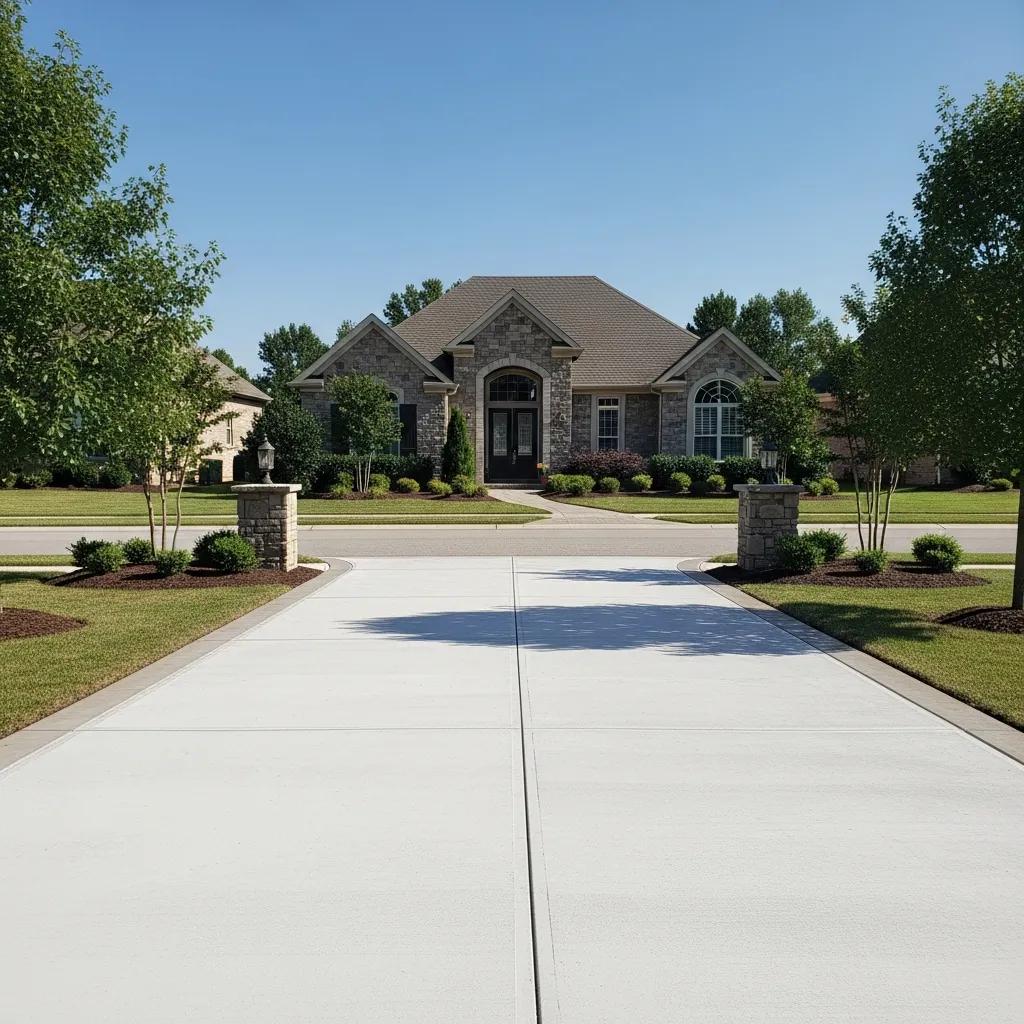
Concrete Driveway Resurfacing Essentials for Greensboro Homes
Concrete driveway resurfacing restores a worn or damaged surface by applying a bonded overlay that heals minor defects and creates a new wear layer, extending the service life while improving curb appeal. This guide explains how resurfacing works, why it’s often more cost-effective than full replacement, and how Greensboro’s climate and common driveway issues influence material and maintenance choices. Homeowners will learn the primary benefits, realistic cost ranges, the step-by-step resurfacing process, decision criteria for repair versus replacement, how to vet local contractors, and an actionable maintenance schedule to maximize longevity. Many properties in Greensboro face freeze-thaw cycles, occasional deicing salts, and UV exposure—factors that resurfacing materials and sealants must resist to deliver the promised extension in lifespan.
Read on for practical checklists, comparison tables, and repair thresholds so you can decide whether resurfacing is the right solution for your driveway and how to find qualified local crews to perform the work.
What Are the Key Benefits of Concrete Driveway Resurfacing in Greensboro?
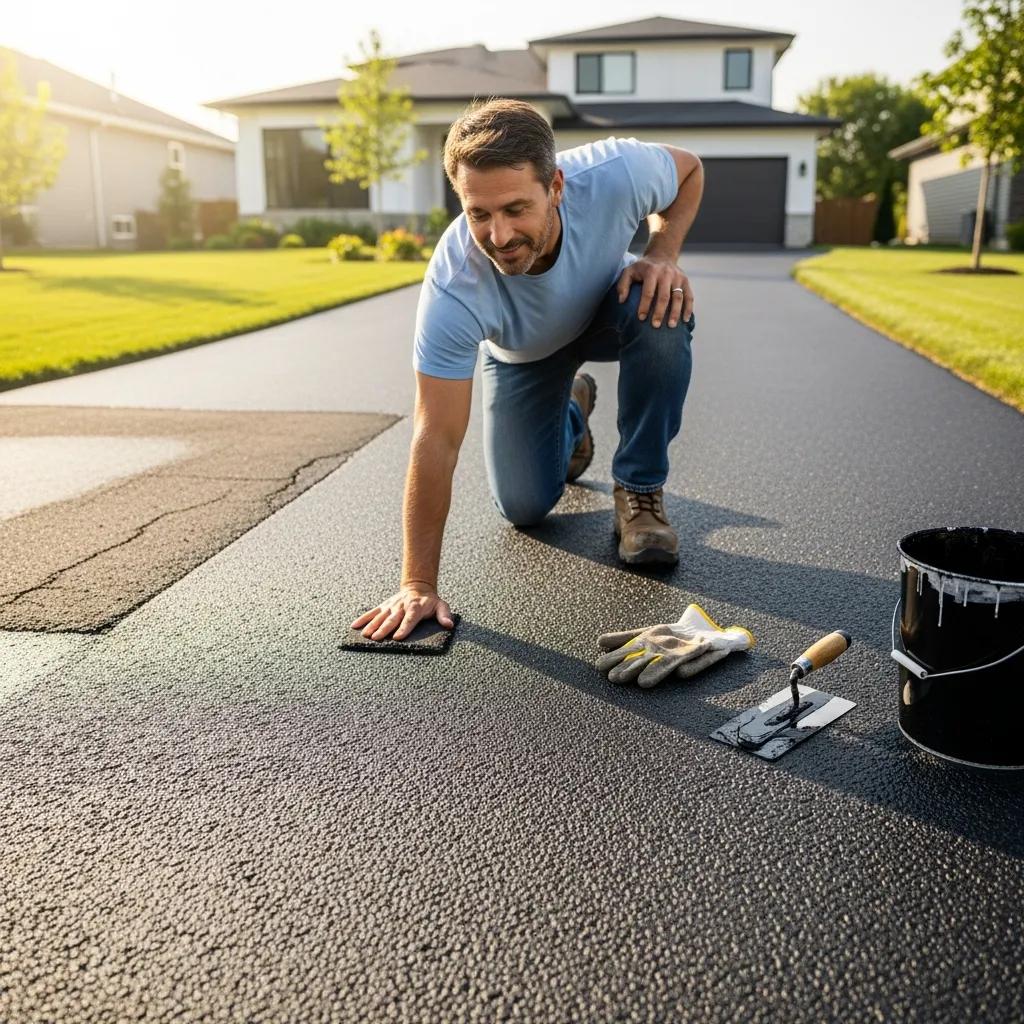
Concrete driveway resurfacing delivers measurable advantages for homeowners seeking to extend pavement life and boost home appearance without the expense of full replacement. The process creates a new bonded surface that resists wear, fills hairline cracks, and allows decorative finishes that dramatically improve curb appeal. Resurfacing is typically faster than replacement, reduces construction waste, and often costs substantially less per square foot while delivering 7–15 years of added life under normal conditions. For Greensboro properties, choosing polymer-modified overlays and appropriate sealants helps counteract freeze-thaw cycles and salt exposure, preserving integrity longer than untreated concrete.
Resurfacing yields five primary homeowner value points:
- Extended Service Life: A properly applied overlay adds years of wear resistance and delays costly replacement.
- Improved Aesthetics: Decorative overlays, staining, or stamping refresh appearance and mimic premium materials.
- Cost Savings: Less labor, disposal, and material expense compared with full slab removal and replacement.
- Faster Project Timeline: Most resurfacing jobs finish in days, minimizing driveway downtime and disruption.
- Environmental Benefit: Reusing the existing slab reduces construction waste and the carbon footprint of new concrete.
These benefits translate to practical decisions about material selection and contractor choice, which we cover next to help you prioritize longevity and appearance goals when planning a Greensboro driveway renovation.
How Does Resurfacing Extend Driveway Longevity and Durability?
Resurfacing extends longevity by bonding a new overlay to the existing slab, creating a fresh wear layer that redistributes traffic loads and seals hairline defects that would otherwise grow. The mechanism relies on surface preparation (cleaning, grinding, and bonding slurry) and polymer-modified cement or micro-topping overlays that chemically adhere to the substrate, bridging minor cracks and resisting abrasion. By adding polymer modifiers and a protective sealant topcoat, the overlay improves tensile strength, reduces water ingress, and increases resistance to freeze-thaw cycles and automotive chemicals. Typical lifespan extension ranges from 7 to 15 years depending on traffic, substrate condition, and maintenance cadence, and selecting the right overlay material for Greensboro’s climate is a key determinant of long-term performance.
Understanding the bonding mechanism leads directly to aesthetic choices, since the same overlay systems that add durability also accept decorative treatments that enhance curb appeal and perceived property value.
In What Ways Does Resurfacing Improve Curb Appeal and Aesthetics?
Resurfacing transforms a tired slab into a visually appealing surface through finishes such as stamping, color staining, integral coloring, and texture treatments that emulate pavers or natural stone. Decorative concrete driveway options include stamped patterns, acid or water-based stains, and textured micro-toppings that provide depth and contrast while resisting fading when paired with quality sealants. These finishes allow homeowners to match driveway appearance to landscaping or architectural styles, often increasing perceived property value and first impressions. In Greensboro, choosing UV-stable pigments and robust sealants is especially important to maintain color vibrancy and surface sheen over multiple seasons.
After choosing a decorative approach, quality surface prep and experienced finishing techniques ensure the overlay adheres uniformly and the chosen finish performs reliably under local weather and traffic conditions.
How Much Does Concrete Driveway Resurfacing Cost in Greensboro, NC?
Estimating cost begins with understanding per-square-foot ranges and the specific drivers that increase or decrease price for a Greensboro driveway project. Typical per-sqft ranges for resurfacing vary by finish and material: basic cementitious overlays generally fall into the lower range, polymer-modified and decorative overlays command mid-to-high ranges, and specialty coatings (epoxy-style overlays) sit at the top due to material and labor intensity. Local labor rates, necessary prep work, and driveway complexity (curb cuts, slopes, or sections requiring partial demo) significantly influence final estimates. For precise budgeting, homeowners should obtain on-site quotes because subsurface issues, drainage correction, and permit needs can add costs not visible in a surface inspection.
This table clarifies cost tiers and guides homeowners in aligning budget with desired outcome; however, exact pricing requires an on-site assessment due to variability in prep and repair needs.
What Factors Influence Greensboro Concrete Repair and Resurfacing Costs?
Several prioritized factors determine whether a resurfacing job stays near the low end of the range or escalates, including substrate condition, extent of repairs, drainage corrections, access constraints, and finish selection. Surface preparation is often the largest single variable: power washing, diamond grinding, crack stitching, and removal of loose material add labor and equipment costs but are essential for a durable bond. Drainage problems or uneven slabs that require leveling or partial demo significantly increase price because they add excavating and structural repair time. Finally, decorative treatments, pigments, stamping mats, and additional sealant coats raise material and labor expenses.
Homeowners can minimize surprise costs by providing contractors access to the site, documenting existing drainage or settlement concerns, and requesting itemized bids that separate prep, repair, overlay, and finishing costs—which makes comparing estimates straightforward and reduces risk of hidden charges.
How Do Different Driveway Overlay Materials Affect Pricing?
Material choice determines both initial cost and long-term maintenance expectations; balancing durability and aesthetics is essential to selecting the right overlay for Greensboro conditions. Cementitious overlays are budget-friendly and suitable for light-traffic residential driveways but require careful sealing to resist freeze-thaw damage. Polymer-modified cement overlays boost tensile strength and adhesion, making them a common mid-range choice for homeowners seeking durability plus decorative options. Epoxy and dense polymer coatings offer very high durability and chemical resistance, ideal for heavy-use areas, but cost more upfront and may require more precise climate-controlled installation conditions.
Choosing the right material ties back to expected traffic, exposure to deicing salts, and desired appearance; a balanced selection reduces lifetime cost by minimizing repairs and resealing frequency.
For homeowners wanting a firm local estimate, request a free on-site quote from vetted Greensboro contractors so the bid reflects actual prep and material needs rather than general per-square-foot averages.
What Is the Concrete Driveway Resurfacing Process in Greensboro?
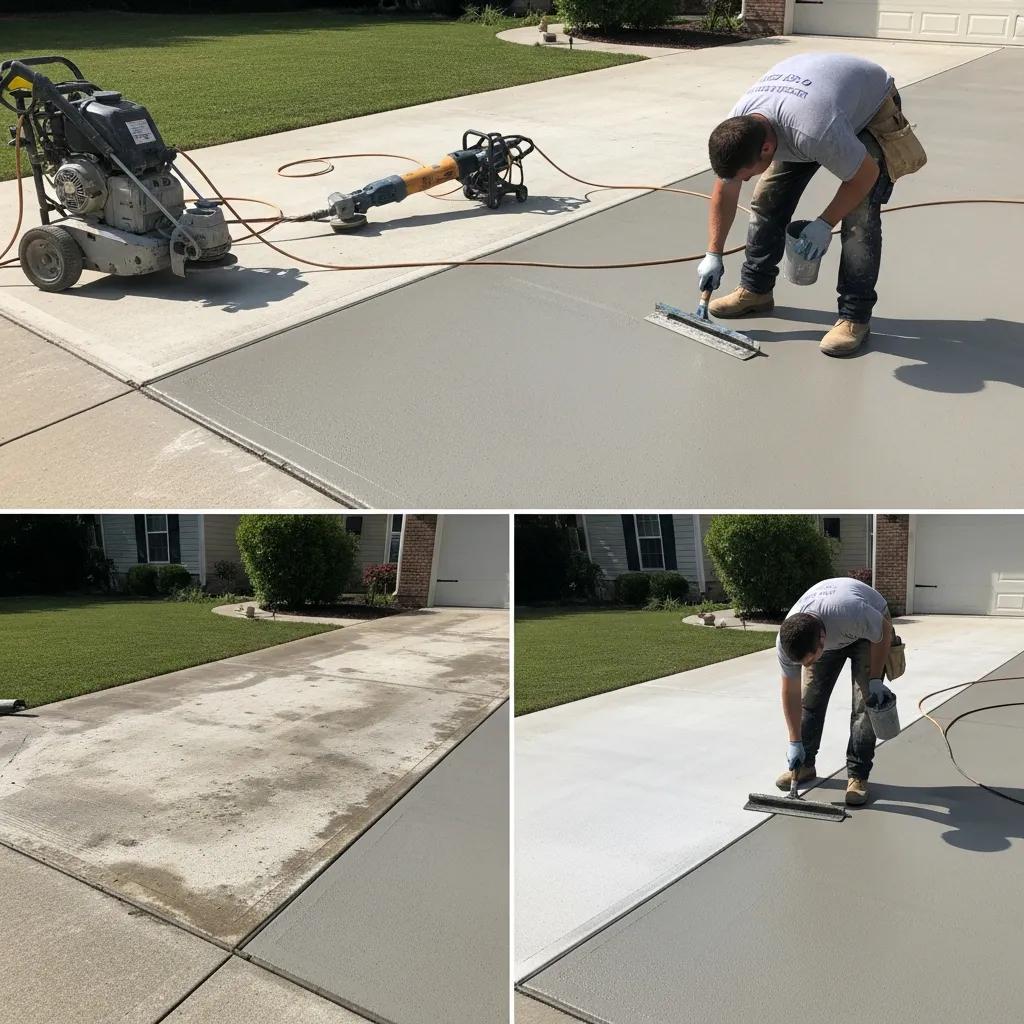
Resurfacing follows a structured sequence of inspection, surface preparation, repair, primer/bonding slurry application, overlay placement, finishing, curing, and sealing—each step contributes to a resilient result. The inspection identifies structural concerns versus surface-level defects and sets the scope for prep work and potential partial demo. Surface preparation is crucial: the substrate must be cleaned, mechanically abraded, and repaired so the overlay can form a durable bond; skipping or skimping on prep is the most common cause of early overlay failure. Proper curing and the correct sealant finish protect the new surface from moisture ingress, freeze-thaw cycles, and UV degradation, which is particularly relevant in Greensboro’s seasonal climate.
This stepwise overview helps homeowners evaluate whether a quoted schedule and scope cover the essential tasks that ensure a durable resurfacing outcome.
What Are the Step-by-Step Procedures for Resurfacing a Concrete Driveway?
Resurfacing begins with a detailed inspection to identify structural vs. surface issues, followed by aggressive cleaning and mechanical profiling so the overlay bonds correctly. Next, technicians repair significant cracks and spalls using compatible repair mortars or stitching techniques, then apply a bonding slurry or primer that chemically links the old concrete to the new overlay. The overlay—cementitious or polymer-modified—is placed and finished with the chosen texture, color, or stamping pattern, then allowed to cure under controlled conditions before a protective sealant is applied. Typical single-driveway jobs occupy a multi-day window: day one for prep and repairs, day two for overlay placement and finishing, and subsequent days for curing and sealing depending on weather.
A systematic process reduces the chance of delamination and ensures the decorative finish adheres evenly, so homeowners should verify each step in contractor bids.
How Does Proper Curing and Sealing Impact Driveway Longevity?
Proper curing allows hydration and polymerization reactions to complete, developing the overlay’s designed strength and reducing early shrinkage or chalking; inadequate curing compromises durability. Environmental factors like temperature and humidity in Greensboro affect cure rates—too rapid drying can weaken the surface, while extended moisture can delay full strength. Sealants provide a protective barrier that reduces water penetration, limits freeze-thaw damage, and protects pigments from UV fade; the right sealant also simplifies cleaning and resists automotive fluids. Recommended practice is to wait the manufacturer’s minimum curing time before applying a high-quality acrylic or polymer sealer and to reseal every 2–3 years as part of routine maintenance based on observed wear.
Understanding curing and sealing implications helps homeowners budget for both initial application and planned maintenance to preserve the overlay’s lifespan.
When Should You Choose Concrete Driveway Repair, Resurfacing, or Replacement?
Choosing between repair, resurfacing, or replacement hinges on structural integrity, crack severity, subgrade stability, drainage, and long-term goals for lifespan and appearance. Minor hairline cracks, surface spalling, or shallow scaling are often suitable for repair or overlay; resurfacing addresses broad surface deterioration without addressing deep structural failure. Replacement becomes necessary when slabs show large displaced sections, significant heave or sinkage due to subgrade failure, or widespread cracking that indicates loss of structural continuity. Budget considerations matter, but so does the expected lifespan outcome—repair or resurfacing may be cost-effective now but could require eventual replacement sooner if underlain by unresolved structural problems.
How to Assess Driveway Damage and Decide on the Best Solution?
Assess damage by measuring crack width, observing slab movement (heave or settlement), and checking for persistent ponding that indicates drainage or subgrade problems. Hairline cracks (<1/8 inch) and surface scaling often respond well to patching and overlay, while cracks wider than 1/4 inch, gaps under slab edges, or visibly displaced slabs suggest structural failure requiring partial demo or full replacement. Also inspect joints and edges for undermining; if the subgrade is soft or unstable, overlaying will likely fail and replacement with base rework is the correct remedy. When in doubt, obtain a professional structural assessment to avoid wasting money on temporary surface fixes when a deeper solution is warranted.
Can You Resurface a Badly Cracked Driveway in Greensboro?
Severely cracked driveways can sometimes be prepared for overlay using stitching, routing and filling, local partial demolition, or releveling, but these preparatory methods add cost and time and are effective only when the slabs remain largely in their original positions. Techniques such as stitching with epoxy and rebar, full-depth patching of isolated panels, and replacing compromised sections can restore a surface to a condition suitable for overlay, provided the subgrade is stable. However, when slabs are displaced, separated, or show signs of ongoing movement, resurfacing is inappropriate because the overlay cannot bridge moving joints; replacement with base correction becomes the prudent choice. Compare the cost and expected lifespan of extensive prep plus overlay versus replacement to determine the most economical long-term path.
Evaluating the extent and cause of cracking informs whether resurfacing with preparatory repairs is a viable, cost-effective solution.
How to Select the Best Concrete Driveway Resurfacing Company in Greensboro, NC?
Selecting a contractor requires verifying credentials, reviewing prior work, comparing itemized bids, and confirming warranty and post-job support; an informed selection process reduces the risk of poor workmanship and early failure. Ask contractors for proof of insurance and licensing where applicable, request recent local project photos or site references, and confirm the proposed materials and application methods align with best practices for Greensboro’s climate. A clear, written estimate that separates surface prep, repair, overlay material, finishes, and sealant ensures apples-to-apples comparisons and highlights whether a low bid cuts critical steps. Additionally, inquire about curing protocols, recommended maintenance, and whether the contractor offers written workmanship guarantees tied to specific maintenance conditions.
Introductory questions to ask on-site:
- What is your insurance and licensing status? Request documentation before work begins.
- Can you show recent local project photos or references? Local examples reveal workmanship and finish quality.
- How do you handle surface preparation and crack repair? Ensure grinding, patching, and bonding steps are included.
After the interview, summarize the proposals against your priorities—durability, appearance, timeline—and choose the contractor whose plan aligns best with long-term value rather than the lowest price. For added assurance, prioritize companies that provide a clear written warranty and a maintenance schedule tied to that warranty.
What Credentials and Reviews Should You Look for in Local Contractors?
Look for contractors who can provide proof of general liability insurance and, when relevant, trade-specific licensing; insurance protects homeowners from liability and is non-negotiable. Review indicators of reliability include recent local project photos, client testimonials (written), and clear, itemized bids that detail prep, materials, labor, and finish steps. Red flags include vague estimates, refusal to provide references, pressure to sign immediately, or a proposal that omits surface prep and crack repair. Finally, check responsiveness and clarity—contractors who communicate timelines, tolerances, and maintenance expectations in writing typically deliver better outcomes.
Verifying credentials and reviews narrows the candidate pool to contractors committed to transparent, durable workmanship, which connects directly to warranty and guarantee considerations.
What Warranty and Service Guarantees Are Important for Resurfacing?
Reasonable warranties for resurfacing commonly cover workmanship and adhesion for a defined period—commonly 1 to 3 years for workmanship and variable material warranties from manufacturers—while explicitly excluding damage from lack of maintenance or structural subgrade failures. Homeowners should expect written warranty language that specifies what is covered (delamination, cracking due to improper installation) and what is excluded (damage from heavy loads beyond specification, lack of resealing). Also confirm whether the contractor provides a post-installation inspection window and will address issues that emerge during the warranty period. Tying warranty terms to specified maintenance practices—such as resealing every 2–3 years—protects both parties and preserves validity.
Clear warranty language with defined remedies gives homeowners confidence in contractor accountability and long-term project performance.
How to Maintain Your Resurfaced Concrete Driveway for Maximum Life Extension?
Maintaining a resurfaced driveway is essential to preserve the overlay’s protective properties and extend service life; a simple, regular maintenance schedule prevents minor issues from becoming structural problems. Routine cleaning removes staining agents and debris that degrade sealants, periodic sealing restores the protective barrier against water and deicing salts, and prompt minor repairs prevent cracks from propagating. A maintenance plan that includes seasonal inspections, stain removal techniques, and resealing every 2–3 years (or as wear indicates) keeps the overlay performing toward its expected lifespan. The following table offers a concise maintenance schedule homeowners can follow.
This schedule balances effort and cost to maximize the overlay’s protective function in Greensboro’s variable seasons.
What Are the Best Practices for Cleaning and Sealing Resurfaced Driveways?
Safe cleaning starts with low-pressure washing (typically below 2,000 psi for overlays) and detergent solutions formulated for concrete to avoid abrading the finish or stripping sealants. Remove oil and grease promptly with absorbent compound and a pH-neutral cleaner to prevent long-term staining and sealant deterioration. When resealing, ensure the overlay has fully cured per the manufacturer’s instructions and apply sealant under appropriate temperature and humidity conditions to achieve uniform coverage and adhesion. Avoid using harsh solvents or wire brushes that can damage overlays; gentle mechanical agitation and appropriate cleaners preserve texture and color.
Adhering to these cleaning and sealing practices directly links to warranty requirements and the overlay’s functional lifespan, so follow contractor recommendations for products and timing.
How to Address Minor Repairs and Prevent Future Damage?
Address small cracks and spalls promptly by cleaning the area, removing loose material, and using compatible patching compounds or caulks designed for overlays to prevent moisture ingress and freeze-thaw expansion. Maintain edges and joints by ensuring proper drainage away from the slab and limiting heavy concentrated loads on the surface; water pooling and truck or trailer parking at fixed locations accelerate deterioration. For recurring or expanding damage, schedule a professional inspection to determine whether deeper subgrade remediation is necessary; early professional intervention often costs less than later full-depth repairs. Preventive measures—such as maintaining sealant cadence, controlling nearby vegetation roots, and stabilizing adjacent soils—minimize the likelihood of future structural issues.
- Regular cleaning and resealing extend overlay life and appearance.
- Promptly repairing small defects prevents larger structural problems.
- Routine inspections and good drainage are the most effective preventive actions.

0 Comments