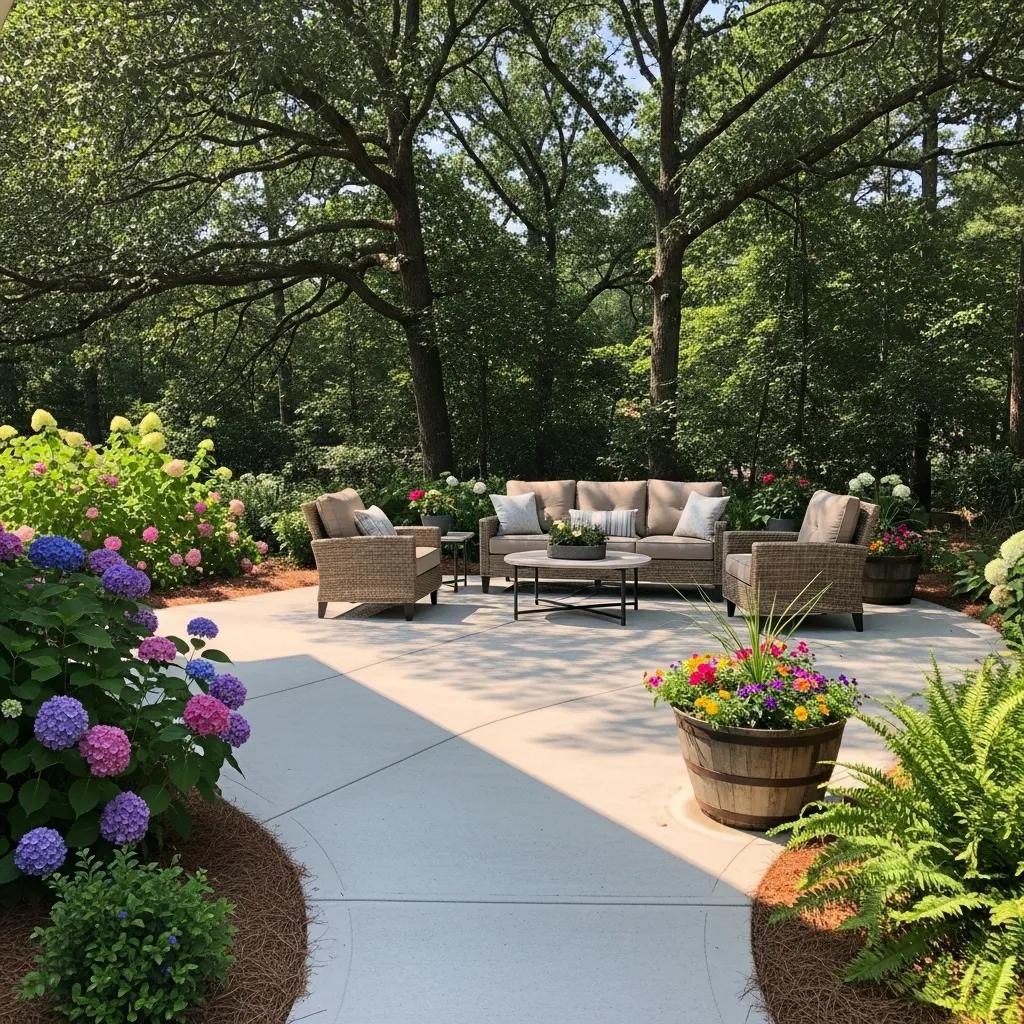
Greensboro Concrete Patio Repair: Restore Your Outdoor Space
Concrete patio repair in Greensboro, NC restores outdoor spaces by addressing cracks, uneven slabs, spalling, and worn surfaces to improve safety, appearance, and property value. This article explains common patio problems homeowners face in the Piedmont Triad climate, describes repair methods such as crack repair, slab leveling, and resurfacing, and outlines realistic cost expectations and maintenance strategies. Problems like freeze-thaw damage, poor drainage, and soil settlement accelerate deterioration, and the right repairs—whether patching, polyurethane slab lifting, or decorative overlays—prevent trip hazards and water intrusion. Read on to learn how each method works, when replacement is necessary, how much projects typically cost in Greensboro, and what to ask professionals during estimates. The guide also includes comparison tables of repair methods and costs, stepwise maintenance schedules, and clear next steps for requesting a free estimate and preparing your patio for repair.
What Are the Common Concrete Patio Problems in Greensboro, NC?
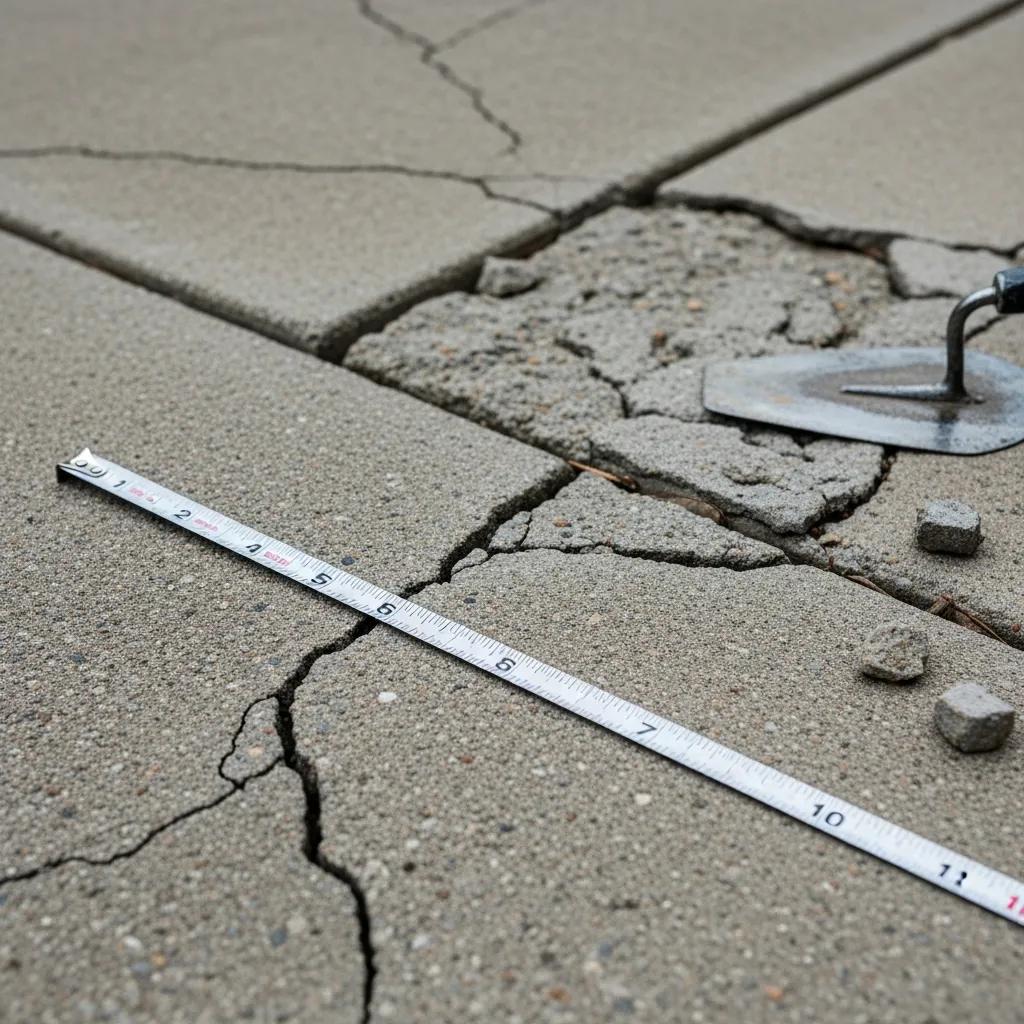
Common concrete patio problems in Greensboro stem from regional weather patterns, soil movement, and surface wear, producing cracks, spalling, pitting, efflorescence, and drainage failures that reduce usability and aesthetics. These issues often begin as minor surface defects and progress to structural concerns if moisture and freeze-thaw cycles penetrate the slab, causing expansion and material loss. Recognizing symptoms early—visible hairline cracks, flaking surfaces, uneven slabs, or standing water—lets homeowners prioritize repairs that prevent trip hazards and costly replacement. Understanding the typical problems in this area helps homeowners choose targeted remedies that restore function and curb appeal while accounting for local freeze-thaw and drainage influences.
The following list summarizes common issues and concise causes for quick reference:
- Cracks: Small hairline fissures to wider structural splits caused by shrinkage, settling, or freeze-thaw cycles.
- Spalling: Surface flaking where surface paste separates, often from freeze-thaw or deicing salts.
- Uneven slabs: Differential settlement due to poor compaction, erosion, or tree roots lifting edges.
- Pitting and scaling: Surface deterioration from abrasion, chemical exposure, or poor finishing.
- Drainage problems: Inadequate slope or blocked runoff leading to water pooling and accelerated damage.
These visible problems signal when to inspect the slab more closely and decide whether crack repair, leveling, or resurfacing is the appropriate next step.
How Do Cracks Affect Your Concrete Patio and How Are They Repaired?
Cracks range from cosmetic hairline fractures to structural separations that compromise slab integrity, allowing water to penetrate and soil to erode beneath the concrete. Repair typically begins with cleaning and drying the crack, followed by material selection—flexible sealants for hairline cracks, epoxy injection for structural joints, or polymer-modified mortars for patching larger voids. Properly executed repairs restore load transfer across the crack, reduce water intrusion that fuels freeze-thaw damage, and remove trip hazards for safer outdoor living spaces. Homeowners should evaluate crack width, pattern, and movement; frequent widening or stair-step cracks often indicate deeper settlement requiring professional assessment and potentially slab leveling.
These crack repairs reduce the immediate safety risk and prepare the surface for longer-term protective measures like sealing or overlays, which are discussed next.
What Causes Uneven Patio Slabs and How Is Slab Leveling Performed?
Uneven slabs usually stem from differential soil settlement, erosion under the slab, inadequate compaction during installation, or root growth that lifts sections of concrete. Leveling methods address the voids or displacement beneath the slab rather than only resurfacing, preserving existing slab material and minimizing landscape disruption. Common slab lifting approaches include mudjacking (pumping in a cementitious slurry), polyurethane foam injection (high-density foam fills voids and lifts the slab), or targeted removal and replacement when damage is extensive; each method varies in cost, cure time, and longevity. Selecting the right technique depends on the cause—foam injection is fast and minimally disruptive for small voids, while replacement is necessary when slabs are severely cracked or rebar-corroded.
Choosing leveling over full replacement can save time and cost while restoring a smooth, safe surface suitable for continued sealant and overlay options discussed later.
Which Concrete Patio Repair Methods Are Available in Greensboro?
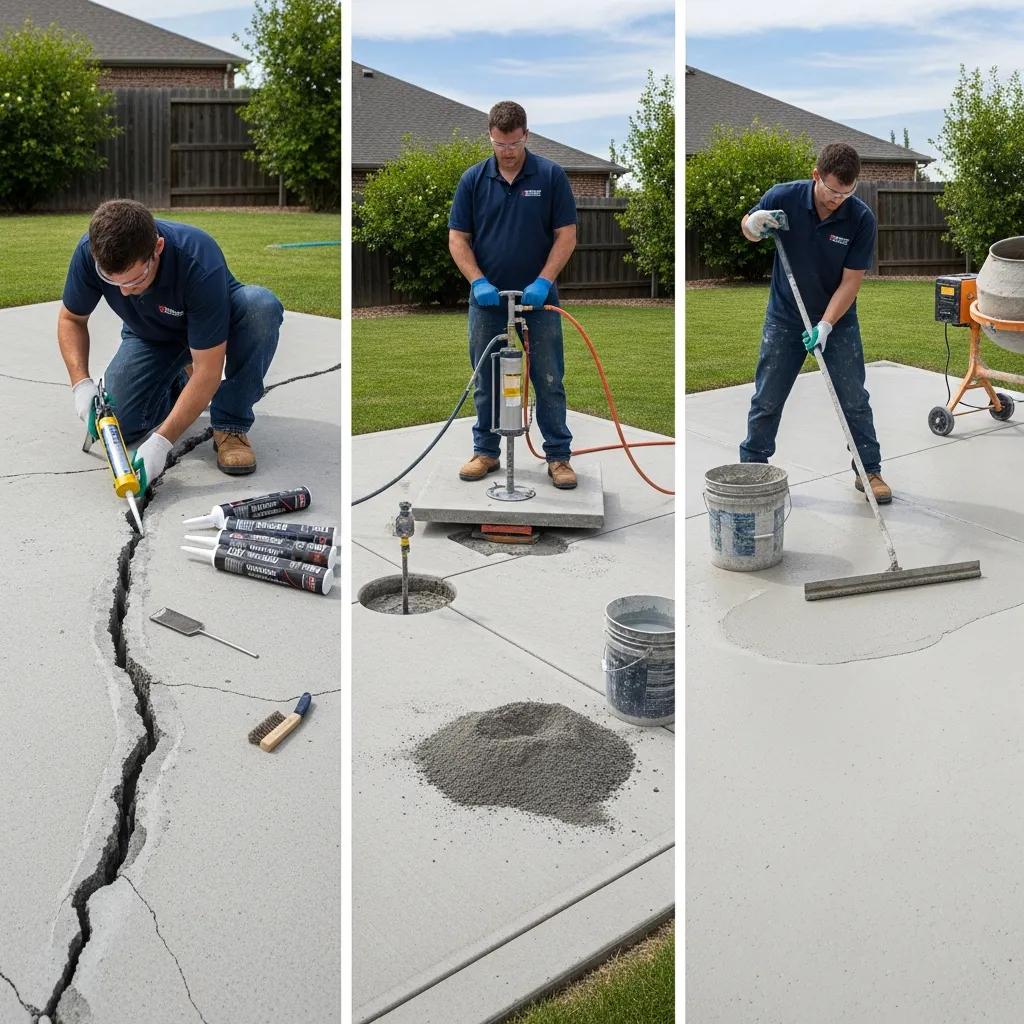
Concrete patio repair methods available to Greensboro homeowners span cosmetic crack patching to full replacement, offering options that balance cost, disruption, and lifespan. Methods include crack repair with sealants or epoxy, slab leveling via mudjacking or polyurethane foam, resurfacing with thin overlays or decorative stamped finishes, and full slab replacement when structural failure or extensive reinforcement corrosion exists. Each approach targets different failure modes: crack repair stops water ingress, slab lifting corrects slope and eliminates trip hazards, and resurfacing restores appearance while adding surface protection.
Below is a quick comparison of common repair methods and their typical pros and cons:
- Crack repair: Fast and low-disruption; best for non-moving, cosmetic to minor structural cracks.
- Slab leveling (foam or mudjacking): Preserves existing concrete and corrects slope; minimal landscaping disturbance but depends on void conditions.
- Resurfacing/overlays: Updates aesthetics and extends life; requires stable substrate and proper prep.
- Full replacement: Long-term solution for severe structural damage; most disruptive and costly.
To help homeowners compare, the table below summarizes typical attributes of each primary repair approach.
Different repair approaches suit distinct use-cases and homeowner priorities.
This comparison clarifies the trade-offs between cost, longevity, and disruption so homeowners can select a method aligned with site conditions and budget.
When choosing a service, homeowners in Greensboro can expect contractors to offer crack fixing, slab leveling, and resurfacing solutions that restore outdoor space safety and usability; many providers also offer free estimates to help decide the right scope and timeline.
How Does Cracked Concrete Patio Repair Restore Safety and Appearance?
Repairing cracked patios removes tripping hazards and stops moisture from entering the slab, which prevents further freeze-thaw damage and undermining of subgrade materials. Technically, injection and patching restore continuity across cracks, reestablishing structural load paths and allowing surface seals or overlays to adhere properly. A successful repair uses compatible materials—epoxy for structural bonding, flexible polyurethane sealants for movement joints, and polymer-modified mortars for surface leveling—resulting in improved aesthetics and functional performance. After repair, sealing and optional decorative overlays can enhance slip resistance and visual appeal, extending the life of the patched surface.
Restoration that combines structural repair with surface protection yields the best long-term outcomes, leading naturally to considerations about resurfacing and decorative finishing.
What Are the Benefits of Patio Resurfacing and Decorative Overlays?
Patio resurfacing and decorative overlays update the look of an aging slab while creating a new wear layer that resists abrasion, UV exposure, and minor surface defects. Thin overlays and stamped decorative finishes allow homeowners to refresh patterns and colors without full slab replacement, offering cost-effective curb appeal improvements and potential increases in property value. Overlay materials vary—cementitious polymer overlays, stamped micro-toppings, or textured overlays—with different maintenance needs and cost per square foot; proper surface preparation and joint treatment are critical for overlay adhesion and long-term performance. Resurfacing also permits the addition of texture or slip-resistant aggregates, improving safety for wet-weather conditions common in Greensboro springs and winters.
Choosing resurfacing over replacement is often the most economical way to modernize a patio and defer larger structural work.
How Much Does Concrete Patio Repair Cost in Greensboro, NC?
Concrete patio repair costs in Greensboro vary with service type, patio size, extent of damage, site access, and material selection; typical local ranges help homeowners set realistic budgets before requesting quotes. Minor crack repairs can be inexpensive per linear foot, slab leveling costs depend on the volume of voids and lifting method, and resurfacing is usually priced per square foot based on overlay material and finish complexity. Labor intensity, preparatory work (removing loose concrete or correcting drainage), and the need for added reinforcement or grading adjustments significantly influence the final estimate. Homeowners should collect dimensions, photos, and a damage description to get accurate, itemized estimates from multiple providers.
Key cost drivers include patio area, damage extent, accessibility, choice of materials, and whether drainage or grading corrections are required.
- Patio size: Larger areas increase material and labor linearly.
- Damage extent: Widespread spalling or rebar corrosion raises costs toward replacement.
- Access: Tight gardens or obstacles increase labor time and equipment needs.
- Material and finish: Decorative overlays and stamped finishes cost more per square foot.
- Subsurface work: Drainage and grading correction add to scope and budget.
Below is a cost mapping to illustrate typical local price ranges and main drivers for budgeting purposes.
This table helps homeowners estimate budgets but exact pricing requires onsite inspection and an itemized estimate.
What Factors Influence the Cost of Concrete Patio Repair Services?
Several specific factors influence concrete patio repair costs: square footage, depth and severity of damage, need for subgrade stabilization, access for equipment, finish complexity, and local labor rates. Preparatory tasks—such as removing loose concrete, addressing drainage, or cutting and sealing control joints—can add time and cost but prevent recurring problems. Homeowners can reduce surprises by documenting patio dimensions, noting visible damage patterns, and identifying any drainage or landscaping constraints before estimates. Additional elements like decorative stamping, colored overlays, or specialized sealers increase material costs and labor time, affecting the final bid.
Understanding these drivers allows homeowners to balance upfront investment against the expected lifespan and performance of the repair.
What Are the Average Prices for Crack Repair, Resurfacing, and Replacement?
Average prices reflect service scope and materials: minor crack repairs typically start at low hundreds, slab leveling ranges from several hundred to a few thousand depending on area, resurfacing often costs a few dollars per square foot, and full replacement can reach higher per-square-foot figures. Variability is driven by the chosen materials—polyurethane lifting tends to cost more than mudjacking but offers faster cure times—and the level of finish desired for overlays. Get at least two or three itemized estimates that separate material, labor, and preparatory work to compare apples-to-apples and negotiate manageable timelines.
When evaluating estimates, focus on scope clarity, warranty terms, and whether the quote includes drainage or grading corrections that prevent recurrence of the same damage.
Why Should You Choose Professional Concrete Patio Repair Services in Greensboro?
Professional contractors bring expertise in accurate diagnosis, correct material selection, and proven techniques that ensure durable repairs and compliance with local best practices. Experts perform a site assessment to identify root causes—soil settlement, drainage failures, or freeze-thaw damage—and recommend holistic solutions such as slab lifting plus regrading or overlay plus joint sealing to maximize longevity. Professionals also control curing practices and use compatible products (epoxies, polymer-modified mortars, high-density polyurethane) so repairs bond properly and resist future deterioration. Hiring a pro reduces risk of repeat failures from improper patching and offers clearer timelines and documented guarantees that support long-term patio performance.
Professional oversight is particularly important when structural cracks or widespread spalling suggest subsurface issues that simple DIY patches cannot fix.
How Do Expert Contractors Ensure Durable and Safe Patio Restorations?
Expert contractors follow a standard workflow: thorough assessment, targeted preparation (cleaning, cutting out unsound concrete), material selection matched to the repair type, precise application, and controlled curing with final inspection. They often address drainage and slope issues during the repair to prevent recurrence, and provide recommendations for sealants or overlays to extend durability. Quality control includes checking joint integrity, verifying lift levels for slab leveling, and ensuring tensile-compatible patch materials for crack repairs. Ask contractors about warranties and post-job maintenance recommendations so you understand expected performance and follow-up care that preserves repair value.
These professional practices translate into longer-lasting restorations and reduced need for repeat work, making them a cost-effective choice over time.
What Should Homeowners Look for When Selecting a Greensboro Concrete Contractor?
When selecting a contractor, verify licensing and insurance, request local references or a portfolio of similar patio work, and insist on written, itemized estimates and clear timelines that include cleanup and disposal. Ask specific questions about the proposed repair method, materials used, expected curing times, and whether drainage or grading adjustments are included. Watch for red flags such as unusually low bids without clear scope, reluctance to provide references, or no written warranty; these indicate potential quality or accountability issues. A concise contractor checklist—proof of insurance, sample contract, materials spec sheet, start/end dates, and warranty—helps homeowners compare offers objectively.
Clear documentation and open communication during estimates make it easier to set expectations and ensure the selected contractor delivers durable results.
How Can You Maintain and Prevent Future Damage to Your Concrete Patio?
Regular maintenance prolongs patio life by preventing water infiltration, minimizing surface wear, and catching issues early before they require major repairs. A maintenance routine includes annual cleaning, resealing every 2–5 years depending on sealer type, prompt crack sealing, keeping drains and gutters clear, and controlling nearby vegetation to prevent root intrusion. Seasonal checks—after winter and heavy rains—help identify areas of concern like new cracks, standing water, or surface spalling that merit timely attention. Following a simple schedule reduces the chance of accelerated deterioration from freeze-thaw cycles and prolongs the intervals between resurfacing or replacement.
Below is a maintenance action table to guide homeowners on frequency, tools, and expected effectiveness.
Routine care preserves the investment in any repair method and reduces lifecycle costs by avoiding premature replacements.
What Are Effective Cleaning, Sealing, and Drainage Practices for Patios?
Effective cleaning starts with sweeping and removing organic debris, followed by appropriate pressure washing at recommended PSI to avoid surface damage; use mild detergents rather than harsh acids that strip binders. Sealer selection depends on patio use and desired appearance—penetrating sealers preserve a natural look while film-forming sealers offer higher stain resistance but require reapplication on a schedule. For drainage, ensure patios slope away from the house, keep gutters and downspouts functioning, and consider targeted solutions like regrading or French drains where pooling persists. Implementing these practices reduces water exposure that accelerates spalling and undermines slabs, preserving both function and curb appeal.
Good cleaning and drainage habits prevent many common problems, which leads to scheduled maintenance that extends service life.
How Does Regular Maintenance Extend the Life of Your Concrete Patio?
Regular maintenance delays the need for major repairs by addressing small defects early, preserving surface integrity, and preventing water-related subgrade failure that leads to uneven slabs. A consistent schedule—annual cleaning, biennial inspections, and resealing every few years—can add years to a patio’s service life and save substantial replacement costs over time. Preventive measures also maintain aesthetic appeal, which contributes to property value, and minimize trip hazards that can pose safety risks. Homeowners who monitor and act on early signs of damage often avoid extensive structural interventions like full replacement.
Proactive care translates into measurable cost savings and longer intervals between resurfacing or replacement.
What Are the Next Steps to Restore Your Outdoor Space with Concrete Patio Repair?
Take practical next steps by documenting patio size, photographing damage from multiple angles, noting drainage issues, and listing desired finishes; this information speeds accurate estimates and clarifies scope. When you contact contractors for quotes, request itemized proposals that list recommended repairs, materials, timelines, and warranty terms so you can compare options objectively. Prepare the site by removing furniture and fragile plants and by identifying any landscaping constraints that may affect access; understanding homeowner responsibilities during the project helps ensure efficient progress. After the work, follow recommended curing and maintenance guidance to protect the repair and maintain longevity.
Collecting clear documentation and asking the right questions streamlines the process from estimate to finished patio restoration.
How Can You Request a Free Estimate for Concrete Patio Repair in Greensboro?
To request an estimate, gather basic information: patio dimensions, photos showing damage, a brief description of issues (cracks, pooling, uneven areas), and any relevant history such as previous repairs. Provide these details when contacting providers so they can offer an initial assessment and schedule an on-site evaluation if needed; many contractors provide free estimates and follow up with an itemized quote. Expect a response timeframe of a few days for initial estimates and one to two weeks for onsite assessments depending on workload and seasonality. When you receive quotes, compare scope, materials, timeline, and warranty to make an informed decision.
Having clear photos and measurements speeds the quoting process and leads to more accurate, comparable estimates among providers.
What Should You Expect During the Concrete Patio Repair Process?
The typical repair workflow begins with assessment and written scope, moves to preparation (cleaning, cutting out failed concrete, correcting drainage), then to the selected repair (crack sealing, slab lifting, overlay, or replacement), followed by curing, final inspection, and cleanup. Small repairs may complete in a day, slab leveling or overlays usually take 1–3 days plus cure time, and full replacements can take longer depending on subgrade work and finish. Expect access restrictions during curing—avoid heavy loads or foot traffic as recommended—and request a final inspection and written maintenance guidance from the contractor. Clear communication about start dates, staging, and homeowner responsibilities ensures a smoother project and protects the long-term outcome.
A defined process with clear milestones and post-job care instructions gives homeowners confidence that their patio restoration will be durable and safe.


0 Comments