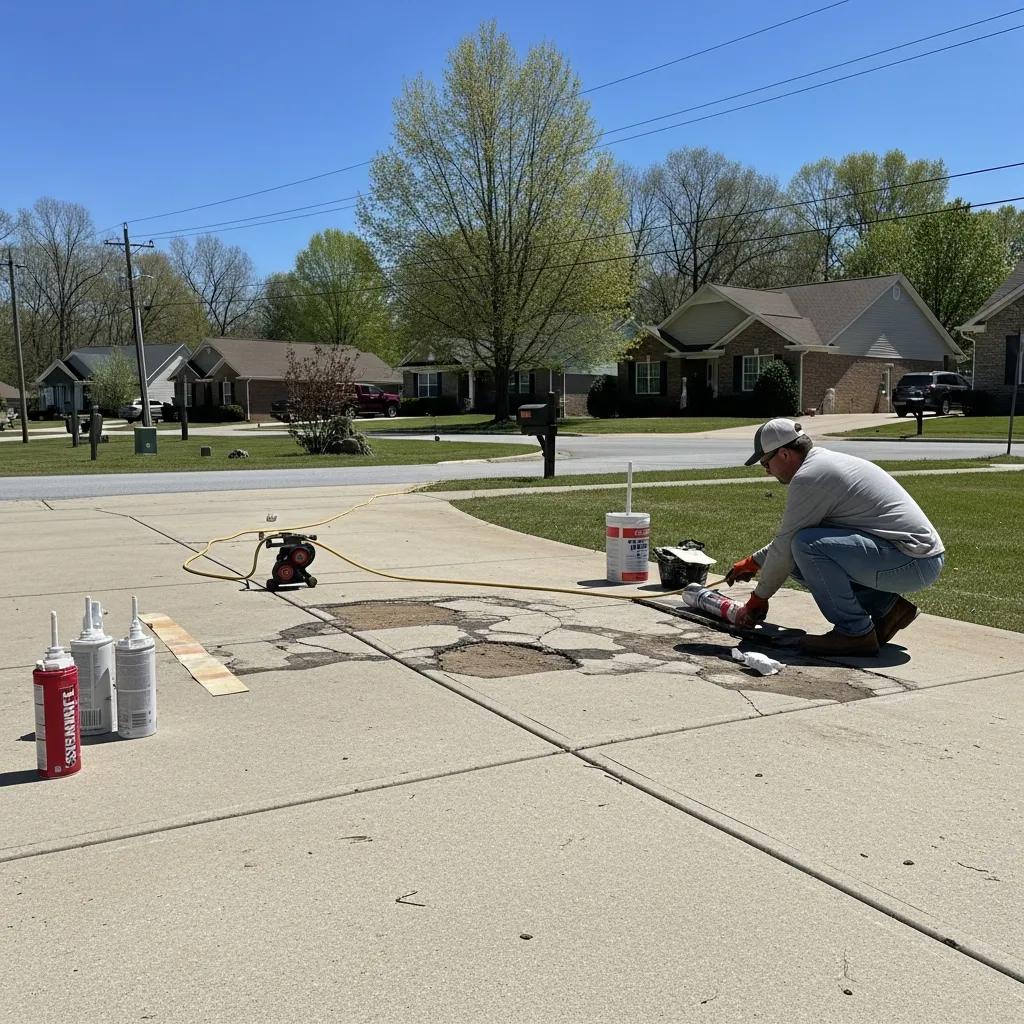
Expert Concrete Driveway Repair: Fixing Cracks and Potholes
Concrete driveways in Greensboro commonly develop cracks, spalling, and potholes due to a mix of climate, soil, and load factors, and addressing these issues early preserves safety and property value. This guide explains the types of driveway damage you’ll see in the Greensboro area, why each problem occurs, and which repair methods deliver durable results for specific failure modes. You’ll learn how crack filling, patching, resurfacing, slab jacking, and full replacement compare in cost, lifespan, and time to complete, with practical DIY thresholds and signs that you should call a local contractor. The article also provides local cost ranges, maintenance schedules tailored to Greensboro’s freeze-thaw and drainage patterns, and a clear summary of permitting considerations for homeowners. Read on for step-by-step repair guidance, comparison tables that make trade-offs easy to weigh, and checklists you can use to decide between a short DIY job and hiring experienced concrete professionals.
What Are the Common Types of Concrete Driveway Damage in Greensboro?
Concrete driveway damage in Greensboro typically falls into several recognizable categories that range from cosmetic hairline cracks to structural settlement and potholes, each requiring a different repair approach. These damage types arise from mechanical stress, water intrusion, subbase failure, and climate-driven freeze-thaw cycles, which together accelerate deterioration when drainage is poor or heavy loads are frequent. Understanding the visual cues and underlying mechanics helps homeowners prioritize repairs and choose the most effective fix that matches the failure mode. Below we describe the key damage classes and how to triage urgency; knowing these distinctions naturally leads to selecting a proper repair method that addresses both surface symptoms and root causes.
The following short list summarizes common driveway damage types you’ll encounter in Greensboro:
- Hairline and shrinkage cracks: thin surface fissures usually caused by plastic shrinkage as concrete cures.
- Alligator (map) cracking and spalling: surface pattern cracking and flaking often due to freeze-thaw stress or poor mix/finish.
- Settlement and structural cracks: wider, often vertical or stepped cracks signaling subbase movement or load-related failure.
- Potholes and voids: localized loss of material where the slab has failed and the subbase has eroded.
- Joint and edge failures: deterioration at expansion joints or slab edges from traffic and water undermining.
These categories guide both urgency and method selection; identifying whether damage is cosmetic or structural is the next step toward effective repair.
Which Types of Cracks Affect Concrete Driveways?
Cracks range from cosmetic hairline fractures to structural separations, and distinguishing among them determines repair urgency and method. Hairline cracks are typically less than 1/8 inch and result from shrinkage or minor settlement; these are best addressed with flexible sealants to keep moisture out. Shrinkage and temperature-related cracks form soon after placement and usually remain stable if the subbase is sound, while alligator cracking is broader and indicates a failing surface or subbase that requires patching or overlay. Settlement and vertical or stepped cracks suggest subgrade movement or poor compaction and often need slab jacking or section replacement to restore load-bearing capacity. Assess severity by measuring width, watching for active movement, and checking whether nearby slabs are uneven; these diagnostic steps point directly to either a surface repair or a structural intervention.
Understanding crack type then leads to selecting a repair approach that treats the root cause rather than just masking symptoms, which reduces the likelihood of recurrence and improves long-term performance.
What Causes Potholes and Spalling in Driveways?
Potholes and spalling form when water infiltrates the concrete and undermines the slab or the subbase, and when freeze-thaw cycles and traffic loads accelerate material loss. Spalling is surface flaking where paste has weakened—often due to deicing salts, poor finishing, or low-quality mixes—while potholes are localized collapses where the slab loses support from a washed-out or eroded subbase. Improper drainage, clogged gutters, or concentrated runoff at driveway edges exacerbate subbase erosion and create the conditions for pothole formation. Early action to restore support and remove deteriorated concrete prevents potholes from expanding, and correct identification of the moisture source is essential to prevent repeat failures.
Addressing the root moisture and compaction issues during repair ensures a longer-lasting solution and informs whether a patch, a poured repair, or slab lifting is the correct next step.
What Are the Most Effective Concrete Driveway Repair Methods in Greensboro?
Effective driveway repair methods in Greensboro include crack filling, localized patching, resurfacing/overlay, slab jacking (lifting), and full replacement; choice depends on damage type, extent, and desired lifespan. Crack filling and flexible sealants are efficient for hairline and non-structural cracks, while patched repairs that remove unsound concrete and use polymer-modified cement are better for potholes and spalled areas. Resurfacing or bonded overlays restore appearance and extend life when the slab is generally sound but cosmetically or superficially damaged. Slab jacking corrects settlement by pumping grout or polyurethane beneath sunken slabs to lift and re-support the pavement without full replacement. Comparing these methods by suitability, pros/cons, and time to complete helps homeowners weigh cost versus longevity and decide whether a DIY approach is adequate or professional equipment and expertise are required.
Below is a comparison table that helps match repair methods to common driveway failures and practical trade-offs.
This comparison clarifies which technique aligns with each failure mode and sets expectations for durability and project timeframe. Choosing a method that addresses both the visible damage and subbase condition reduces the chance of repeat repairs and informs cost estimates.
How Does Concrete Crack Repair Work?
Concrete crack repair typically follows a four-step process: assess and map cracks, clean and prepare the joint, select an appropriate filler or sealant, and finish with surface sealing to prevent moisture ingress. For non-structural hairline cracks, rout-and-fill with a flexible polyurethane or silicone-based sealant allows joint movement while excluding water. Structural crack repairs often require routing, backing material, and trowel-grade polymer-modified cement or epoxy injection to restore tensile capacity and bond across the fracture. Materials vary: epoxies provide high strength and bond for structural fixes, hydraulic cement sets rapidly to stop active leaks, and flexible sealants accommodate thermal movement; selecting the right product depends on crack width, movement, and the slab’s function.
Knowing material differences and correct preparation steps prevents common DIY mistakes such as using rigid fillers in active joints, which leads naturally into proper pothole and resurfacing techniques covered next.
What Are the Best Pothole Repair and Resurfacing Techniques?
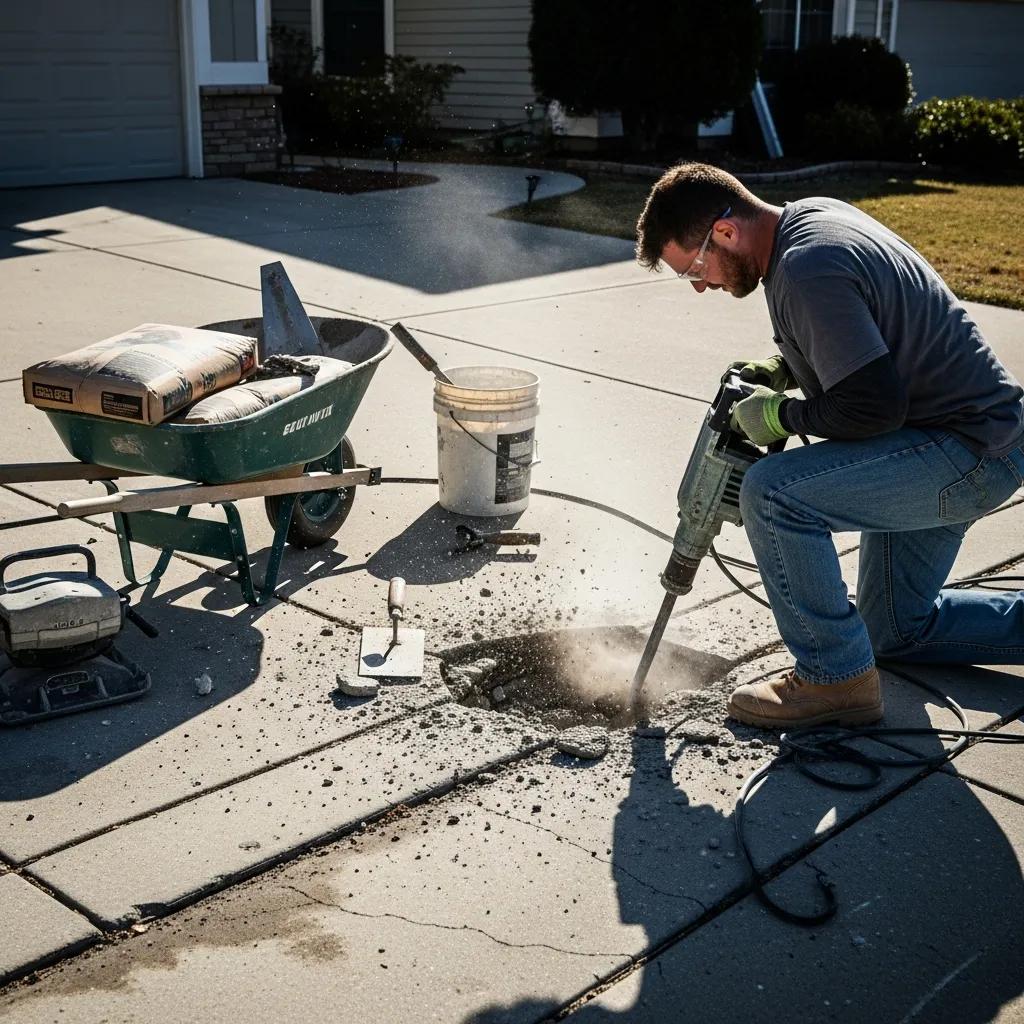
Correct pothole repair involves removing unsound concrete, stabilizing or replacing the eroded subbase, and pouring an appropriate patch material—temporary fixes such as cold patch may stop tripping hazards but often fail without subbase repair. Permanent pothole repairs use a full-depth patch with polymer-modified cement or high-performance concrete and must include compaction of the subbase and edge preparation for bond. Resurfacing options include thin bonded overlays or micro-toppings that restore appearance and provide a new wearing surface when structural integrity is intact; the overlay must be applied over a sound, clean surface and often requires bonding agents. Proper curing, joint treatment, and addressing drainage are critical to the success of both patching and overlays.
When surface damage is widespread but the slab remains stable, resurfacing provides a cost-effective aesthetic and protective upgrade; when the subbase or slab integrity is compromised, full-depth patching or slab jacking is the recommended approach.
How Much Does Concrete Driveway Repair Cost in Greensboro, NC?
Typical concrete driveway repair costs in Greensboro vary by repair type, extent of damage, and whether subbase work or permit-related tasks are required; below is a practical cost summary and factors that drive pricing. Minor crack filling is the lowest-cost option, while full resurfacing and replacement increase materially with area and labor. Local labor rates, material choices (polymer-modified mixes versus standard concrete), accessibility, and need for hauling or subbase stabilization are primary cost drivers. For a concise view that helps homeowners anticipate budget ranges, consult the cost table below and use the following example scenarios to calibrate expectations before requesting written estimates from local contractors.
The table below gives typical local ranges and lifespan expectations for common repair types in Greensboro; use it as an initial planning guide rather than a guaranteed quote.
This table clarifies expected ranges and lifespan trade-offs for common fixes; exact pricing depends on site conditions, material selection, and contractor scope.
What Factors Influence the Cost of Driveway Repairs?
Several variables materially affect repair cost: the extent and depth of damage, whether the subbase needs stabilization, the type of material selected, access and disposal logistics, and local labor demand. Wide or structural cracks often require more labor and stronger materials like epoxy or polymer-modified concrete, while surface-only defects can be addressed with lower-cost sealants or overlays. Hidden issues such as poor compaction or buried drainage problems increase scope when uncovered during repair, and permit requirements or curb-cut changes add time and administrative costs. Seasonal scheduling also affects pricing, as winter constraints to curing and warm-season high demand can influence contractor availability and rates.
Estimating accurately requires an onsite inspection; homeowners should request itemized proposals that separate labor, material, subbase work, and any permit or hauling fees to understand how each factor contributes to the total price and to avoid surprises during construction.
What Are the Average Prices for Crack and Pothole Repairs?
For practical planning, expect small crack sealing jobs to start in the low hundreds and localized pothole repairs to range from a few hundred to over a thousand dollars depending on depth and whether subbase replacement is required. Resurfacing is typically priced per square foot and becomes cost-effective when large surface areas need renewal, whereas full replacement is the most expensive but longest-lasting option. Example scenarios: filling several hairline cracks across a typical driveway might cost $150–$500; patching a 2–4 sq ft pothole with proper subbase repair can be $300–$900; resurfacing a 500 sq ft driveway could be $750–$2,000 depending on material and prep work. Obtaining multiple onsite estimates and verifying that subbase corrections are included will yield the most reliable comparison.
After getting estimates, compare scope and warranties; a slightly higher bid that includes subbase stabilization often delivers better lifecycle value than a cheaper surface-only patch.
When Should You Choose DIY Repair Versus Hiring Greensboro Concrete Contractors?
Deciding between DIY and hiring a professional depends on the severity of damage, your tools and skill level, and the importance of a long-term fix; small hairline cracks and routine sealing are suitable DIY projects, while structural cracks, significant settlement, and widespread spalling usually require professional attention. DIY saves labor costs and can be appropriate for prevention tasks and minor repairs when you follow proper prep and materials guidance. Professionals bring diagnostic experience, access to heavy equipment for slab jacking or full-depth repairs, and the ability to ensure code compliance and durable results—factors that matter when safety or property value is at stake. Below is a simple decision checklist and a short list of contractor red flags to help you choose the right path.
Use this checklist to quickly assess whether a job is DIY-appropriate or needs a pro; the following bullets show clear thresholds and decision points.
- Small hairline cracks (<1/8″): DIY crack sealing is acceptable and cost-effective.
- Surface spalling or cosmetic defects: DIY resurfacing products may work, but ensure proper prep.
- Settlement, uneven slabs, or cracks >1/4″: Hire a contractor for slab jacking or replacement.
- Large potholes or subbase washout: Professional repair recommended to correct support and drainage.
What Are the Pros and Cons of DIY Concrete Driveway Repair?
DIY repairs offer cost savings and scheduling flexibility, and small preventive tasks like sealing and hairline crack filling are reasonably straightforward with basic tools. However, DIYers risk improper substrate preparation, incorrect material choice, and inadequate curing techniques that shorten repair life and may void future contractor warranties. Tools required for DIY range from pressure washers and grinders to trowels and sealant guns, and mistakes such as failing to remove unsound concrete before patching lead to recurring problems. Safety considerations—proper PPE, avoiding hazardous dust, and handling heavy materials—also factor into the DIY decision.
If you lack experience with full-depth repairs, slab leveling, or overlay bonding, hiring a professional reduces risk and ensures the structural integrity and longevity of the repair; this consideration naturally leads to examining the advantages of hiring licensed contractors.
Why Hire Professional Concrete Contractors in Greensboro?
Hiring professionals ensures correct diagnosis of slab failures, access to specialized equipment (for example, for slab jacking or large-scale overlays), and proficiency with material mixes and curing protocols that deliver longer-lasting results. Contractors can also advise on drainage corrections, joint repairs, and code compliance that homeowners might overlook, preventing recurrent issues. When comparing contractors, request evidence of insurance, references for recent residential work, a clear written scope, and any available workmanship warranties; these items protect homeowners and ensure accountability. Red flags include non-itemized bids, reluctance to provide references, or a lack of clarity about subbase repair and permit responsibilities.
Engaging a professional is particularly valuable when structural defects or complex drainage problems are present, as the right fix requires skillful integration of subbase stabilization, material selection, and proper joint treatment.
How Can You Maintain and Prevent Future Damage to Your Concrete Driveway?
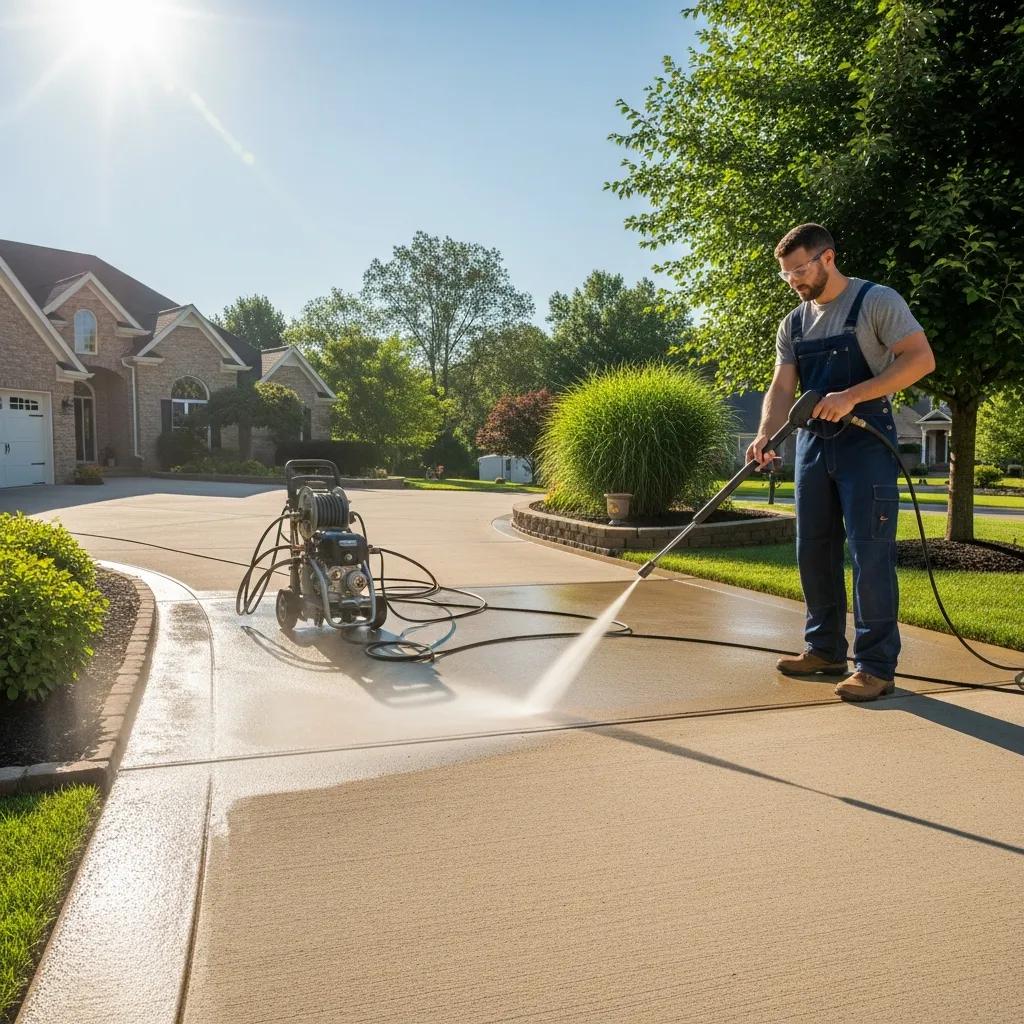
Routine maintenance extends driveway life by preventing water infiltration, mitigating freeze-thaw damage, and catching small defects before they escalate into structural problems. Essential tasks include cleaning, sealing every few years, keeping joints and edges clear, and ensuring proper drainage away from the slab. A seasonal maintenance schedule aligned with Greensboro’s climate—cleaning in spring, sealing in late spring or early summer, and checking for winter damage after freezing periods—reduces cumulative deterioration. The maintenance table below gives practical frequencies and whether a task is DIY-friendly or typically requires a professional service.
The table below offers an actionable maintenance schedule linking tasks to benefits and whether homeowners normally perform them or contract them out.
This schedule helps homeowners prioritize actions that protect the slab and reduce repair frequency; combining DIY upkeep with periodic professional maintenance produces the best lifecycle value.
What Preventative Maintenance Practices Extend Driveway Lifespan?
Key preventative steps include maintaining positive drainage away from the slab, sealing the surface periodically to block moisture and chloride penetration, repairing small cracks promptly to stop water infiltration, and avoiding repeated heavy loads that stress the pavement. Proper winter care—using safe deicers and removing snow rather than plowing with sharp metal blades—also prevents surface damage and spalling. Regular inspections after extreme weather allow early detection of settlement or joint deterioration, which can be addressed before extensive subbase failure occurs. These practices collectively reduce structural stress and delay the need for costly interventions.
Consistent maintenance reduces the frequency and scale of repairs by keeping moisture and load-related damage at bay, helping homeowners avoid the economic and time costs of full replacement.
How Does Proper Maintenance Reduce Repair Frequency?
Proper maintenance interrupts the causal chain that turns minor defects into major failures by excluding water, limiting freeze-thaw cycling, and preventing subbase erosion; these mechanisms directly lower the rate of crack widening, spalling, and pothole formation. For example, sealing stops moisture from reaching the subbase, which mitigates freeze-thaw damage and subgrade weakening; joint upkeep prevents concentrated water infiltration that undermines edges and joints. Over a 5–10 year horizon, consistent sealing and prompt patching can cut major repair costs substantially compared with deferred maintenance that leads to replacement. Estimating lifecycle savings requires comparing the modest recurring cost of maintenance against the higher one-time cost of large repairs or replacement.
Regular preventative actions therefore represent an investment that stabilizes the slab and minimizes lifecycle expenditures, making scheduled maintenance a cost-effective strategy for Greensboro homeowners.
What Local Regulations and Permits Affect Concrete Driveway Repair in Greensboro?
Permits for driveway repair in Greensboro depend on the scope of work; minor repairs like crack sealing and small patches typically do not require a building permit, whereas partial or full replacements that change curb cuts, alter drainage, or modify driveway width often trigger permit and inspection requirements. Local rules can also govern driveway materials, placement relative to right-of-way, and any work that affects stormwater flow. Before proceeding with large-scale replacement or significant grading work, homeowners should check with Greensboro or Guilford County building authorities to confirm permit thresholds and submission requirements. Knowing permit triggers and the documentation required helps avoid costly stop-work orders and ensures compliance with local stormwater and setback rules.
Do You Need Permits for Driveway Repair in Greensboro, NC?
Short answer: sometimes. Minor surface repairs and routine maintenance usually do not need permits, but replacement of an entire driveway, changes to curb cuts, expanding width, or altering drainage will often require a permit and inspection. If work involves connecting to or modifying public rights-of-way or affects stormwater runoff, submit plans and obtain the appropriate approvals before starting. When uncertainty exists about whether a particular repair qualifies as “minor,” request guidance from municipal permitting staff to determine documentation, plan submissions, and inspection steps to follow. Obtaining required permits up front prevents enforcement issues and ensures work meets local code and stormwater standards.
Confirming permit needs is a small upfront step that averts delays and ensures the repair is compliant and safe.
What Are the Best Practices to Comply with Local Building Codes?
Best practices include documenting the project scope in writing, requesting written permits when required, verifying that any hired contractor carries appropriate insurance, and keeping records of inspections and acceptance certificates. Homeowners should ask contractors to provide itemized proposals that identify materials, subbase preparations, and any grading or drainage work, and ensure contractors supply proof of insurance and permit handling responsibilities.
During construction, retain copies of inspection reports and final sign-offs for future reference or resale disclosure. These steps create a compliance trail and help guarantee that repairs meet accepted standards, reducing liability and preserving property value.


0 Comments