How Thick Should a Concrete Driveway Be? NC Standards Explained
When considering the construction of a concrete driveway, understanding the appropriate thickness is crucial for ensuring durability and longevity. In North Carolina, specific standards dictate the required thickness for both residential and commercial driveways. This article will explore these standards, the factors influencing concrete thickness, and best practices for installation. Homeowners and business owners alike often face challenges in selecting the right specifications for their driveways, which can lead to costly repairs if not done correctly. By following the guidelines outlined here, you can make informed decisions that enhance the lifespan of your concrete driveway. We will cover the North Carolina concrete driveway thickness requirements, minimum thickness for residential driveways, recommendations for commercial driveways, and the impact of concrete mix and reinforcement on thickness.
What Are the North Carolina Concrete Driveway Thickness Requirements?
In North Carolina, the thickness of concrete driveways is determined by specific guidelines to ensure structural integrity and longevity. Generally, residential driveways require a minimum thickness of 4 inches, while commercial driveways may need to be 6 inches or more. Factors such as vehicle weight and soil conditions play a significant role in determining the appropriate thickness.
Greensboro Concrete Services specializes in concrete driveway installation, ensuring compliance with these North Carolina standards. They offer free estimates and emphasize quality workmanship, making them a reliable choice for your concrete needs.
What Is NC’s Minimum Residential Concrete Driveway Thickness?
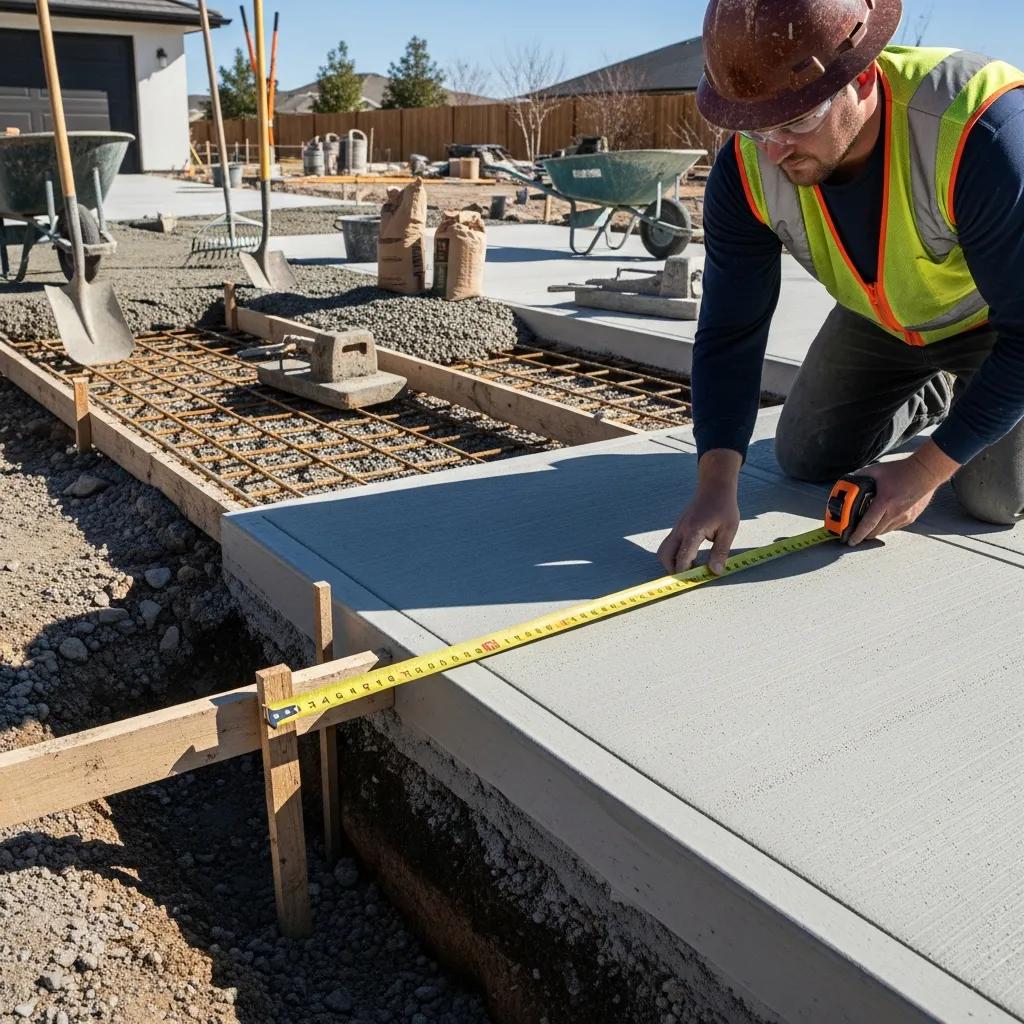
The minimum thickness for residential concrete driveways in North Carolina is typically set at 4 inches. This standard is designed to accommodate the weight of standard vehicles while providing adequate support. However, homeowners should consider additional factors, such as the potential for heavier vehicles, which may necessitate a thicker slab. Adhering to local standards is essential to avoid future issues related to cracking or settling.
Further research emphasizes the importance of assessing the structural condition and durability of reinforced concrete driveways, especially concerning their thickness.
Reinforced Concrete Driveway Thickness & Durability Assessment
At the time of investigation, the upper layers of the driveway consisted of a surface waterproofing layer, a concrete slab of approx. 10 cm thickness made on a 1 cm sand layer. The paper describes the process of determining the current technical condition of the reinforced concrete driveway structure, paying attention to the design and construction of the object, its operation (including the issues of durability of concrete). Static and strength calculations were also performed.
Structural condition assessment of a reinforced concrete driveway, 2019
What Thickness Is Recommended for Commercial and Heavy Vehicle Driveways?
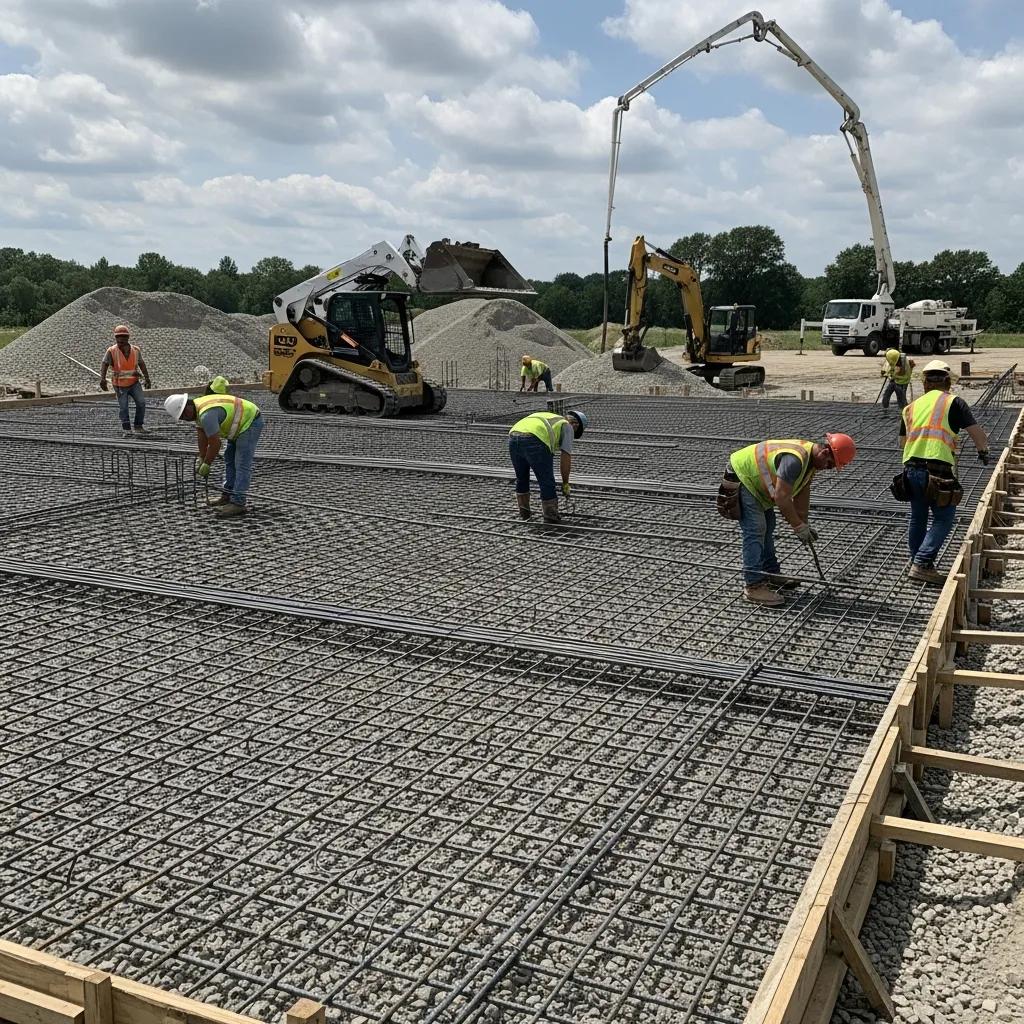
For commercial driveways, the recommended thickness is generally between 6 to 8 inches. This increased thickness is necessary to support the weight of larger vehicles and heavy traffic loads. Local regulations may also influence these recommendations, so it is crucial to consult with professionals who understand the specific requirements for commercial properties. Ensuring that your driveway meets these standards can prevent costly repairs and enhance the longevity of the surface.
How Do Concrete Mix and Reinforcement Affect Driveway Thickness?
The type of concrete mix and reinforcement used can significantly impact the required thickness of a driveway. Higher strength mixes may allow for thinner slabs, while standard mixes might require additional thickness to ensure durability. Reinforcement methods, such as steel rebar or fiber reinforcement, can enhance the structural integrity of the driveway, potentially reducing the need for increased thickness. Understanding these factors is vital for making informed decisions about your driveway’s construction.
Which Concrete Mix Types Are Suitable for NC Driveways?
When selecting a concrete mix for driveways in North Carolina, it is essential to choose one with a compressive strength of 3,000 to 4,500 psi. Additionally, air-entrainment is recommended to provide freeze-thaw resistance, which is crucial in areas with fluctuating temperatures. A proper water-to-cement ratio is also vital for achieving the desired strength and durability.
What Reinforcement Methods Support Proper Driveway Thickness?
Reinforcement methods play a critical role in supporting the thickness of concrete driveways. Common techniques include:
- Steel Reinforcement: Involves placing steel rebar within the concrete to enhance tensile strength.
- Fiber Reinforcement: Incorporates synthetic or natural fibers into the mix to improve crack resistance and overall durability.
- Proper Site Preparation: Ensures that the base is adequately compacted and stable, which is essential for supporting the concrete slab.
These methods contribute to the longevity and performance of the driveway, making them essential considerations during the planning phase.
What Are the Best Practices for Preparing the Base Before Installing a Concrete Driveway?
Proper base preparation is crucial for the successful installation of a concrete driveway. Best practices include:
- Site Preparation and Clearing: Remove any vegetation, debris, or existing pavement to create a clean work area.
- Ensuring Proper Drainage: Design the base to facilitate water runoff, preventing pooling and potential damage.
- Creating a Solid Base with Gravel: Use compacted gravel to provide a stable foundation for the concrete.
Following these practices can significantly enhance the performance and durability of your driveway.
How Does Base Depth Influence Concrete Thickness and Longevity?
The depth of the base directly influences the required thickness of the concrete slab. A properly prepared base can support a thinner concrete layer, while an inadequate base may necessitate a thicker slab to compensate for instability. Ensuring the correct base depth is crucial for achieving the desired longevity and performance of the driveway.
What Common Mistakes Should Be Avoided in Driveway Base Preparation?
Several common mistakes can undermine the effectiveness of driveway base preparation:
- Inadequate Site Preparation: Failing to clear the area properly can lead to uneven surfaces and settling.
- Poor Subbase Material: Using unsuitable materials can compromise the stability of the driveway.
- Neglecting Drainage Considerations: Inadequate drainage can result in water damage and cracking over time.
Avoiding these pitfalls is essential for ensuring a successful driveway installation.
Where Can You Find Professional Concrete Driveway Installation Services in Greensboro NC?
For those seeking professional installation services, Greensboro Concrete Services offers comprehensive solutions for both residential and commercial concrete driveways. They provide free estimates and emphasize quality workmanship, ensuring that your driveway meets all necessary standards. Their expertise in local regulations and best practices makes them a reliable choice for your concrete needs.
How Does Greensboro Concrete Services Ensure Compliance with NC Thickness Standards?
Greensboro Concrete Services is committed to adhering to North Carolina thickness standards. As a licensed and insured contractor, they possess extensive knowledge of local soil conditions and building codes. This expertise allows them to deliver high-quality installations that meet or exceed industry standards, ensuring the longevity and durability of your concrete driveway.
What Are the Benefits of Getting a Free Estimate for Your Concrete Driveway Project?
Obtaining a free estimate for your concrete driveway project offers several advantages:
- Professional Assessment of Needs: Experts can evaluate your specific requirements and recommend appropriate solutions.
- Cost Transparency for Homeowners: Clear pricing helps you budget effectively for your project.
- No Obligation to Proceed: Free estimates allow you to explore options without commitment.
These benefits make it worthwhile to consult with professionals before starting your driveway project.
If you’re considering replacing your current driveway, explore options for concrete driveway replacement to enhance your property’s value and curb appeal.
For homeowners looking to add a decorative touch, stamped concrete offers a variety of patterns and colors to complement your home’s exterior.
In addition to driveways, residential concrete services can enhance various aspects of your property, from patios to walkways.
For businesses, commercial concrete solutions provide durable and aesthetically pleasing options for parking lots and other high-traffic areas.
When it comes to achieving a smooth and level surface, concrete flatwork is essential for driveways, sidewalks, and patios.


0 Comments